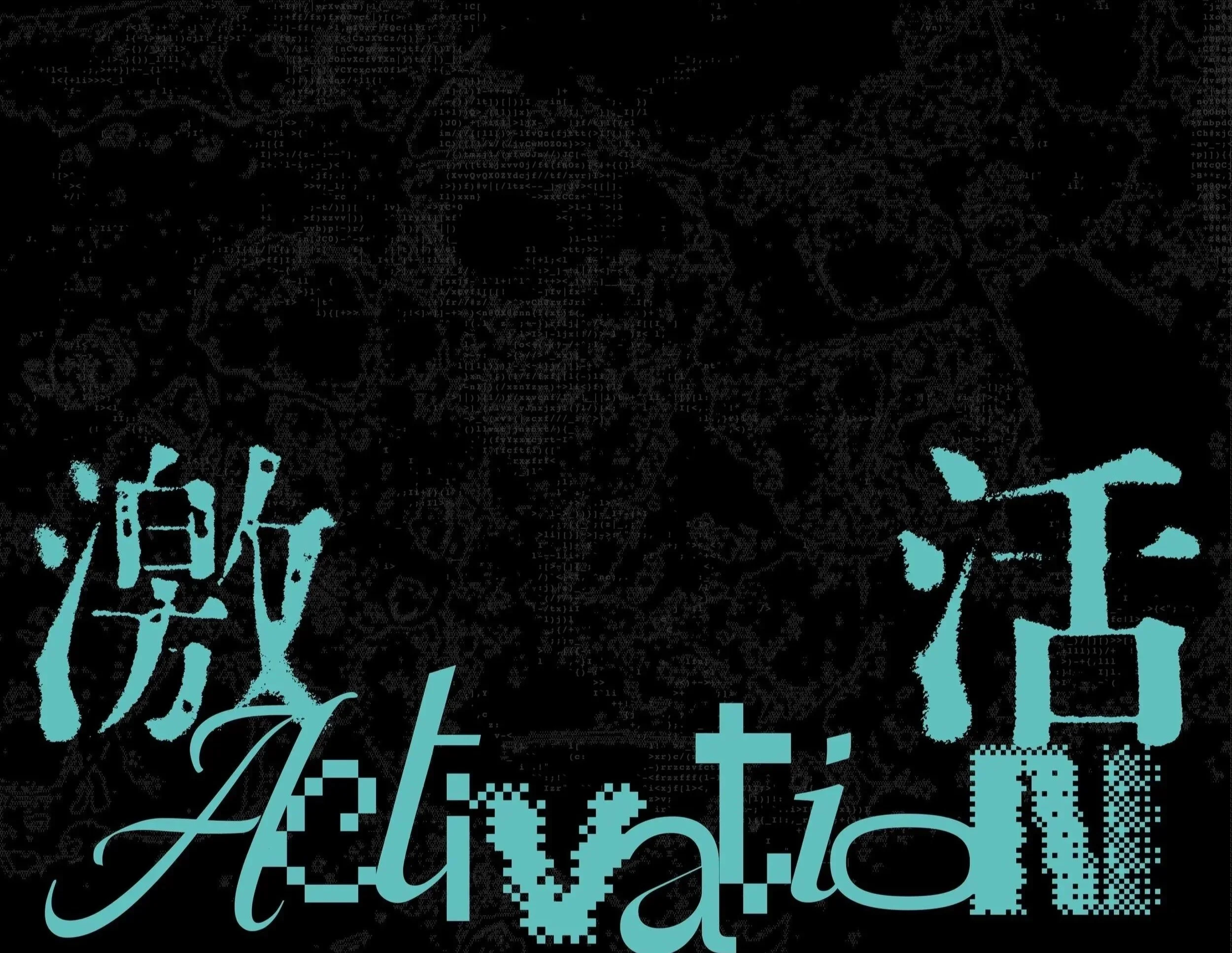
Activation:
Micro-Language Models of Art
激活:藝術微型語言模型
A collateral event by SUP
for the InSEA Asia Regional Congress 2026
9 – 24 May 2026
Origin
This exhibition develops from an ongoing collaboration between SUP and the National Changhua University of Education (NCUE). Following SUP’s contribution to the 2025 Arts Education conference, the dialogue continues in 2026 through an expanded partnership.
本展覽源於 SUP 與國立彰化師範大學(NCUE)之間持續發展的合作關係。延續 SUP 於 2025 年藝術教育研討會的參與和貢獻,雙方於 2026 年透過更深化的合作,持續展開對話。
In Dialogue with the Conference
Responding to “Interweaving and Co-creation: Diverse Pathways of Art Education”, the exhibition extends the conference into a spatial and material context. Where the conference operates through discourse, the exhibition unfolds through practice. Here, ideas are not defined, but experienced.
回應「交織與共構:藝術教育的多元軌跡」主題,本展覽將研討會的討論延伸至空間與物質的實踐場域。當研討會以論述為運作方式,展覽則透過實踐展開。在此,觀念不只是被定義,而是在經驗中被理解。
Exhibition Dates
9 – 24 May 2026 | Monday closed, 11am-5pm
Opening Event
9 May (Saturday) 14:00
Venue Address
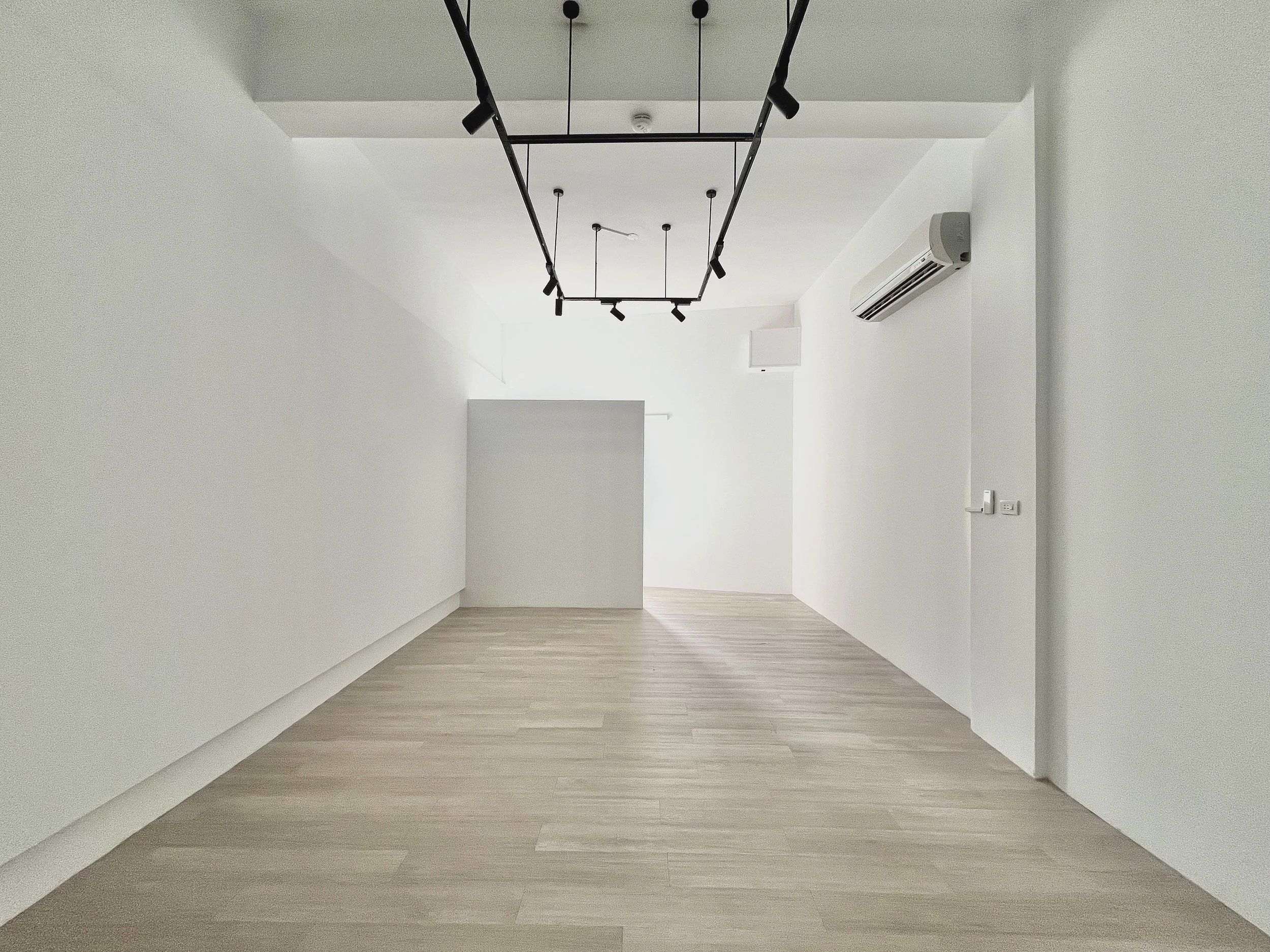
MiART Space
1F, No. 31, Ping’an St., Changhua City, Changhua County 500, Taiwan
彰化市平安街31號1樓
Activation:
Micro-Language Models of Art
激活:藝術微型語言模型
video by Hao-Ning Chang

Activation: Micro-Language Models of Art
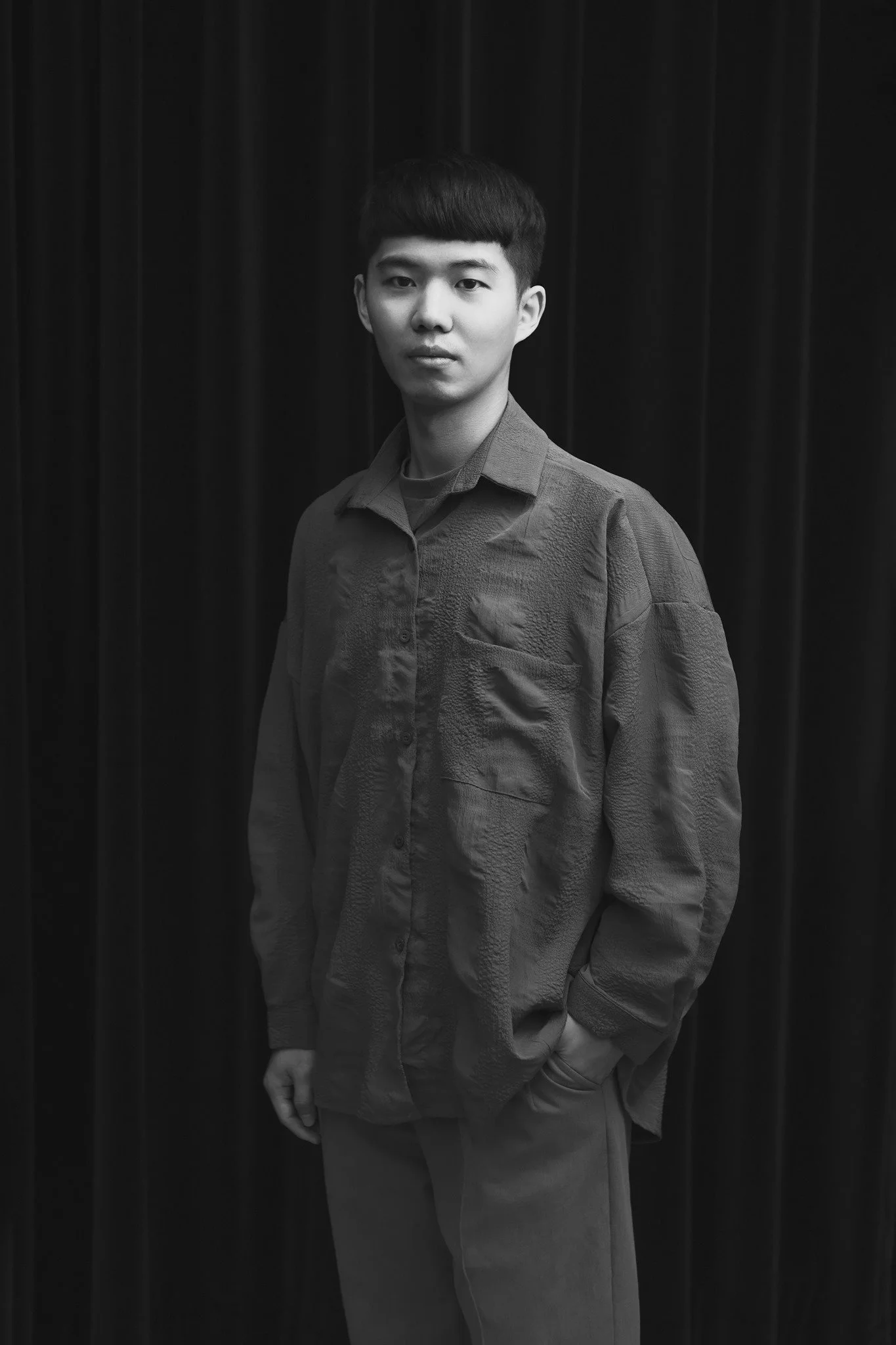
written by Curator Hao-Ning Chang
Activation: Micro-Language Models of Art positions itself against the contemporary paradigm of Large Language Models (LLMs), proposing an alternative cultural model beyond computation-driven systems. In contrast to artificial intelligence systems built through data training and parameter optimisation, the exhibition approaches art as a generative mechanism grounded in perception, relationships, and action. Through four interconnected dimensions : Material, Ecology, Action, and Network. The exhibition constructs a decentralised and sustainable generative system. Within this framework, art is no longer understood solely as representation or expression, but as a process capable of activating reality, reorganising relationships, and continuously generating meaning.
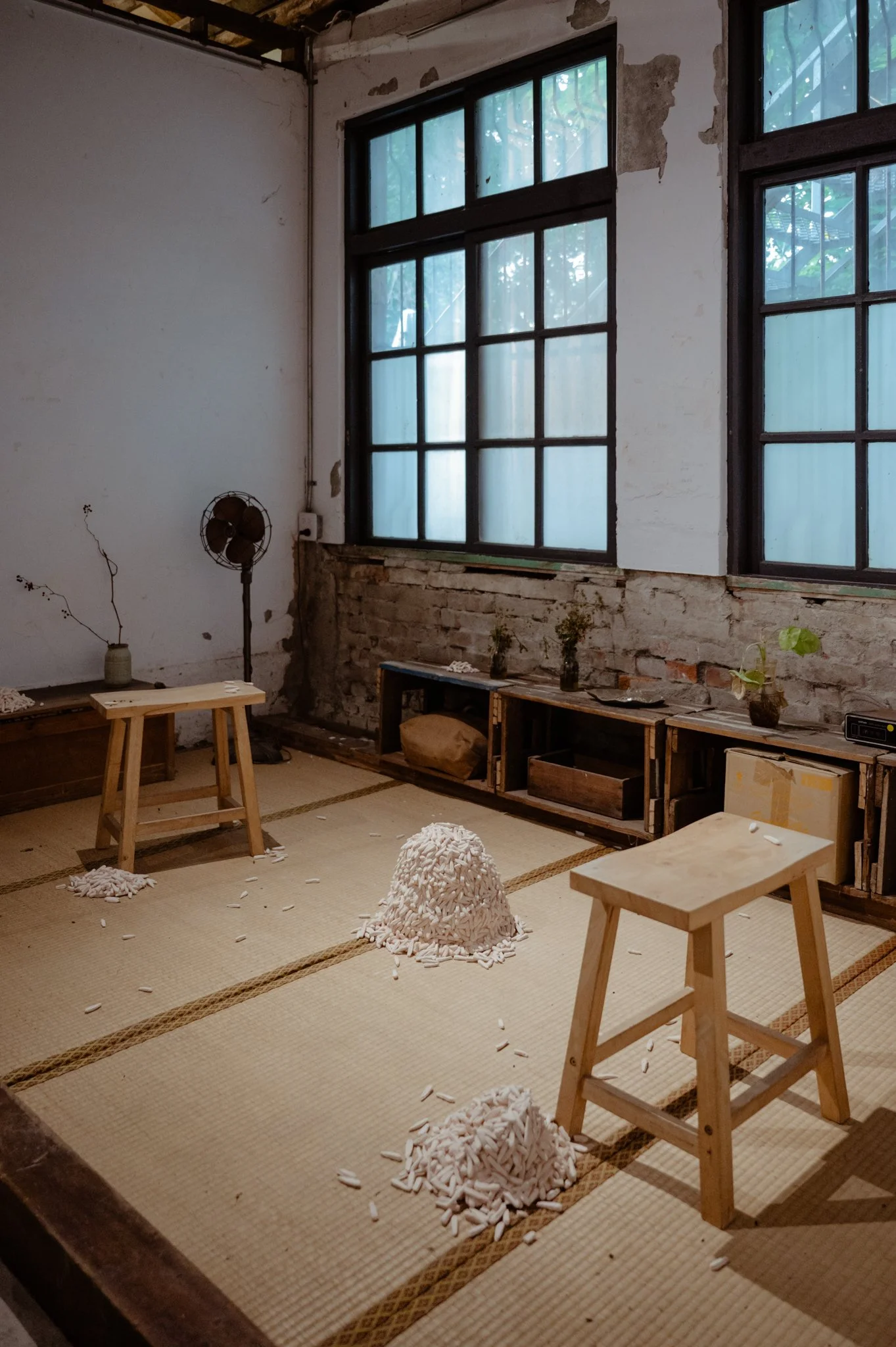
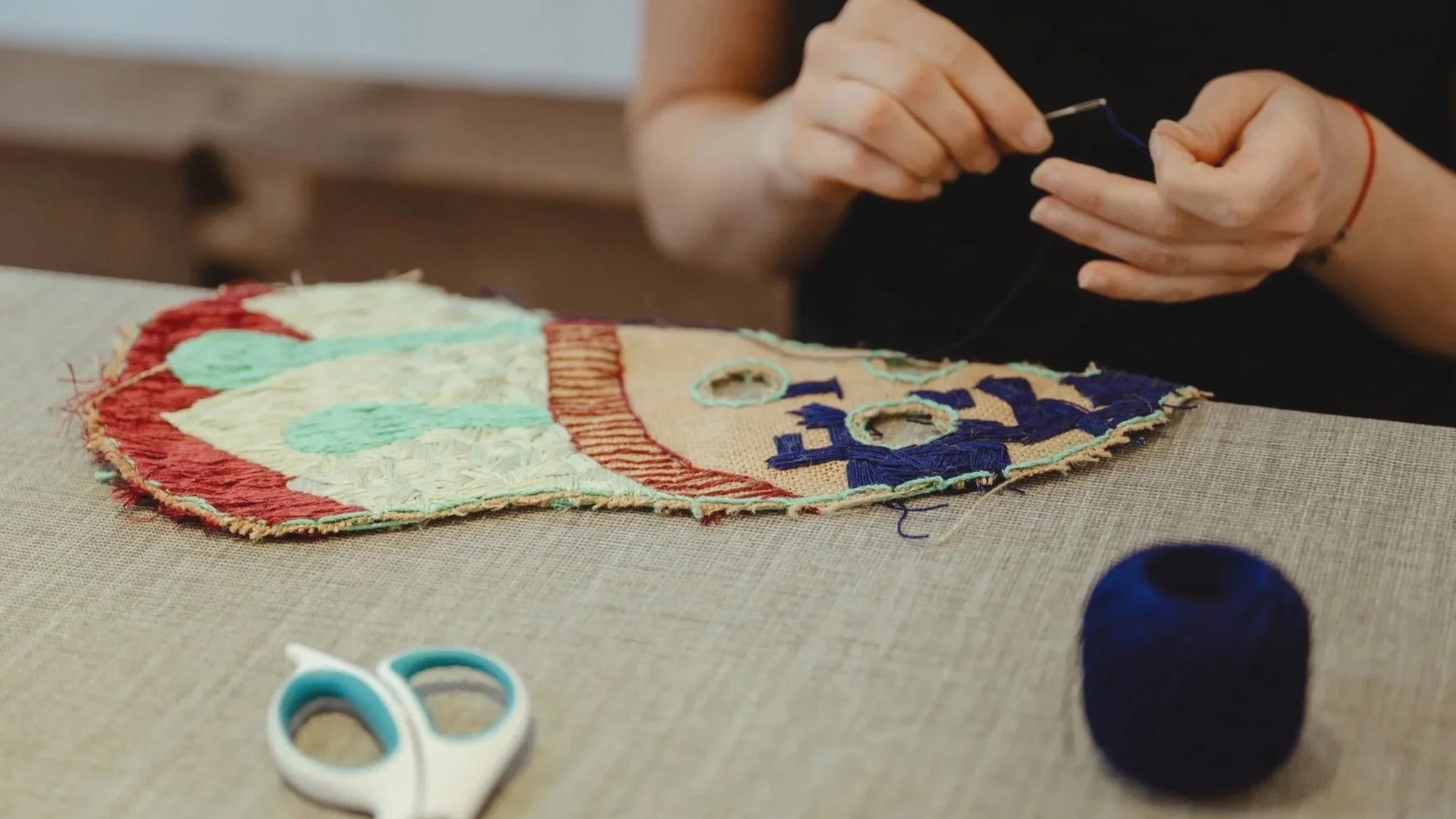
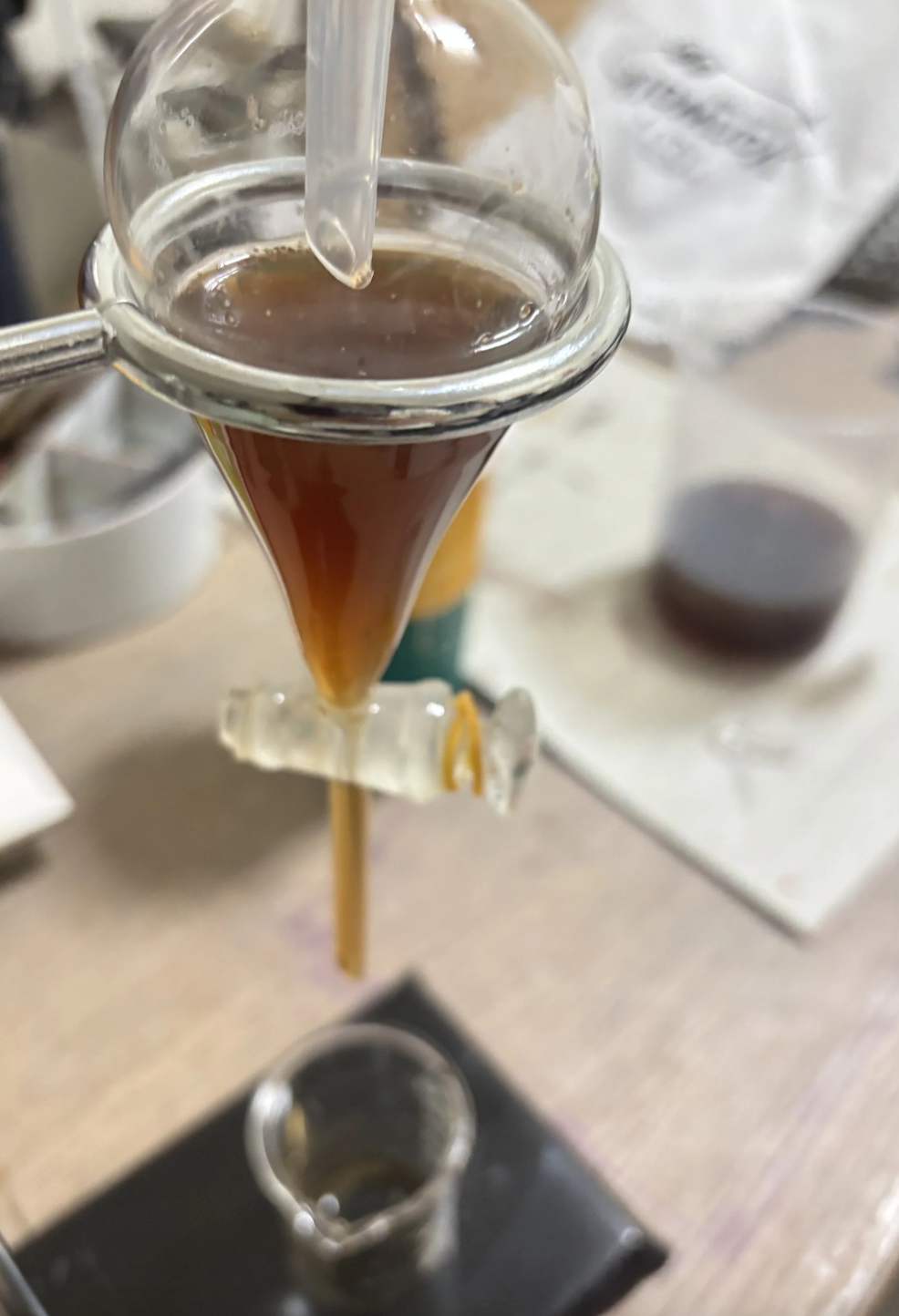
Material: The Generation of Perception and Agency
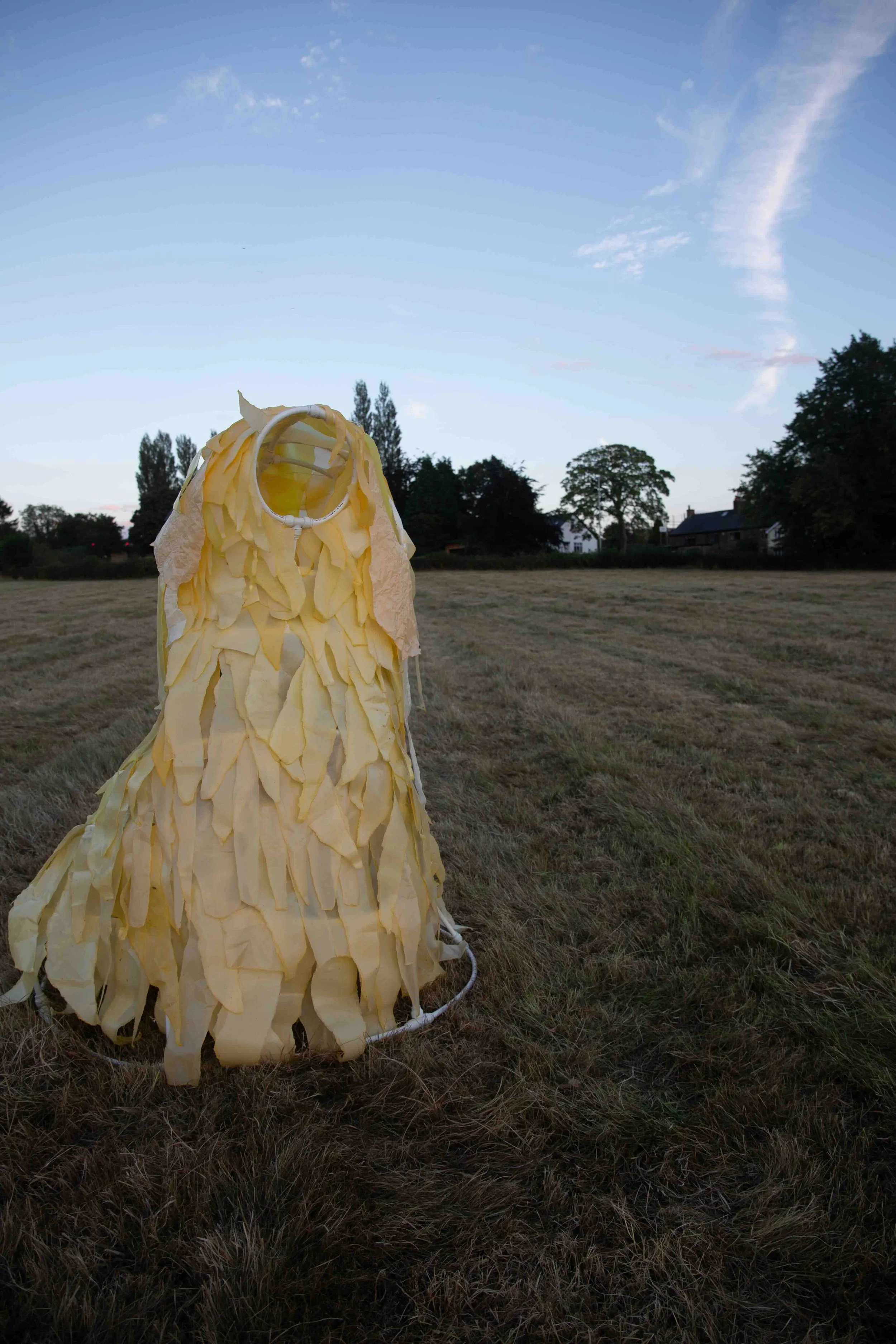
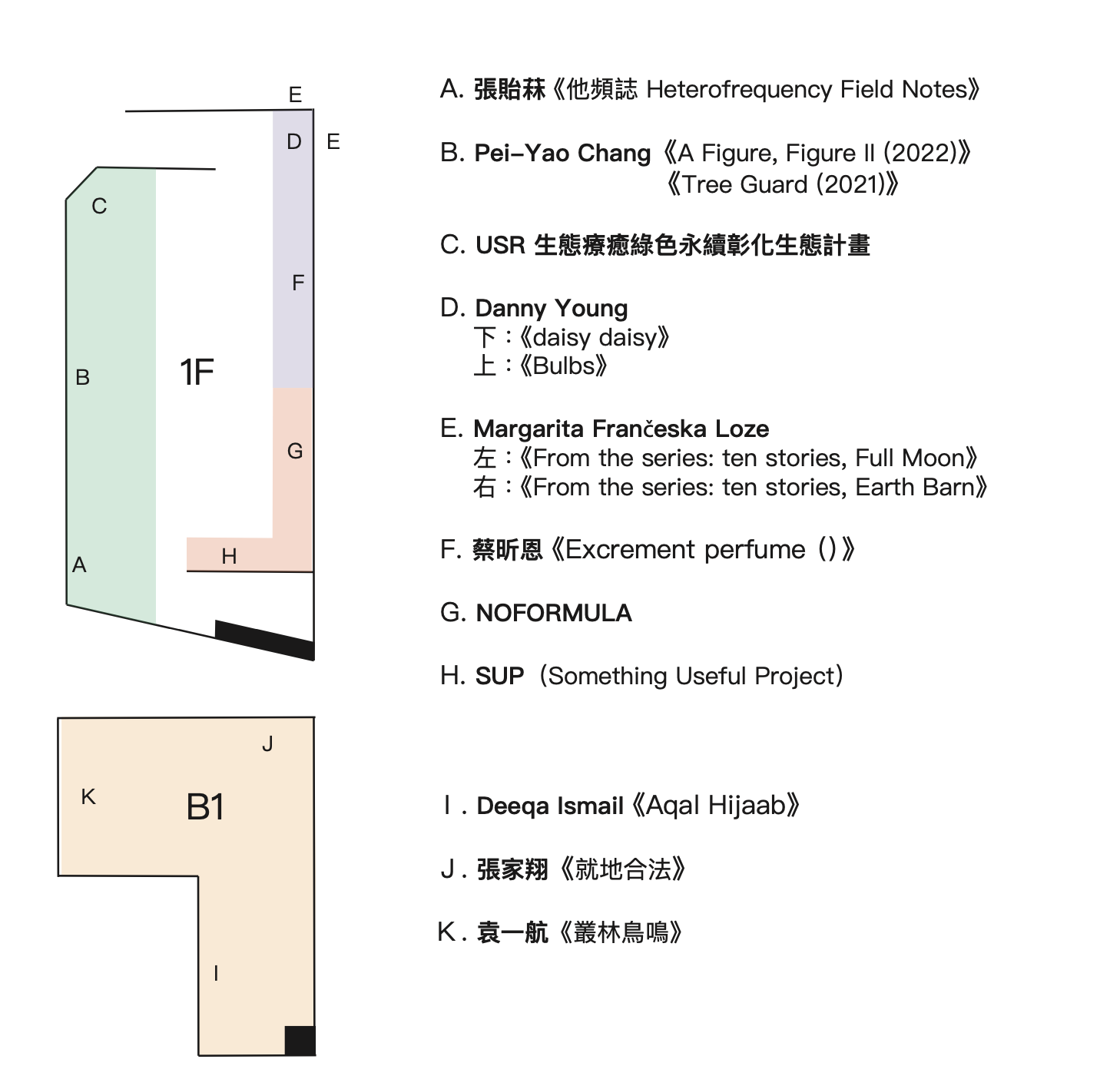
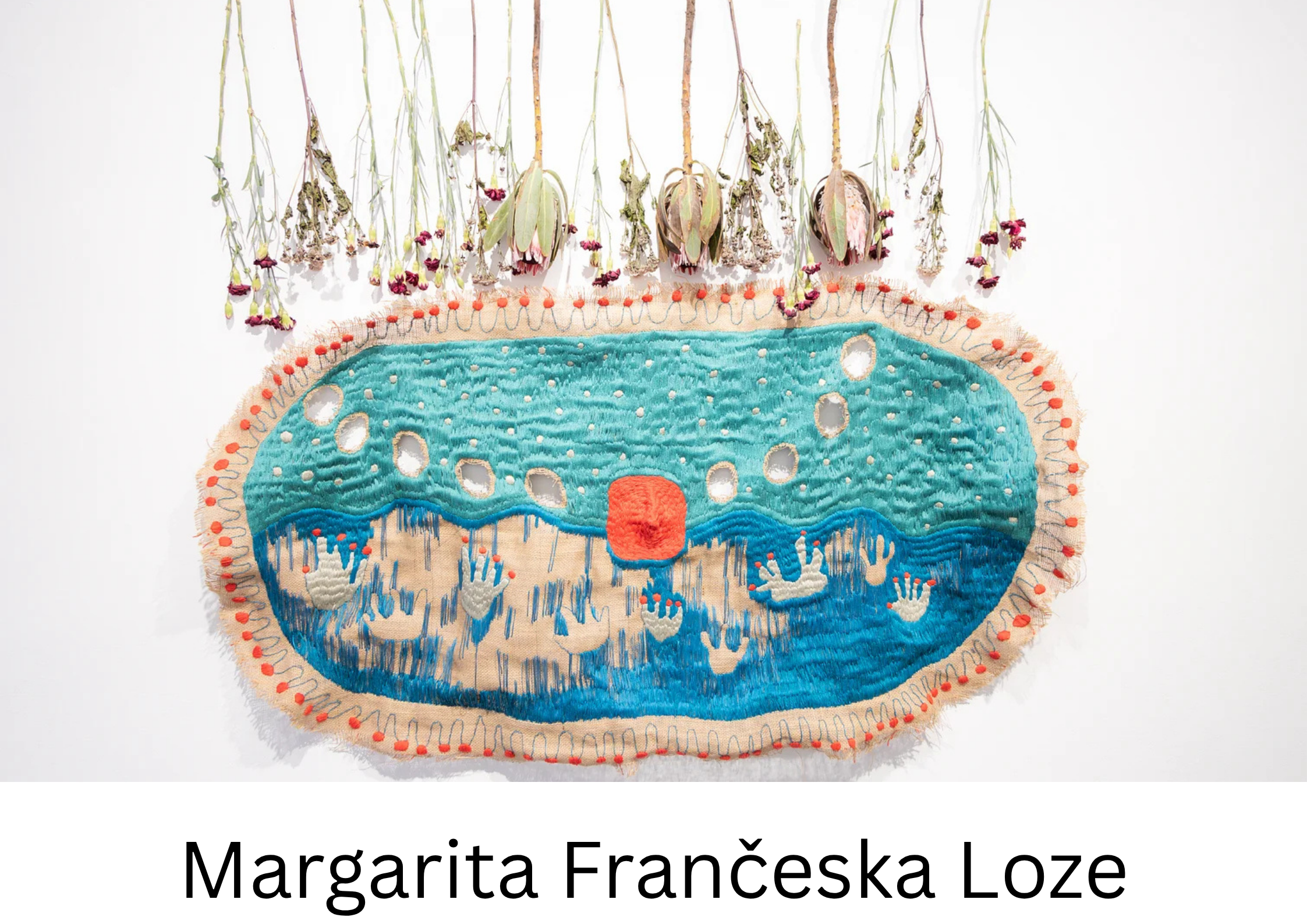
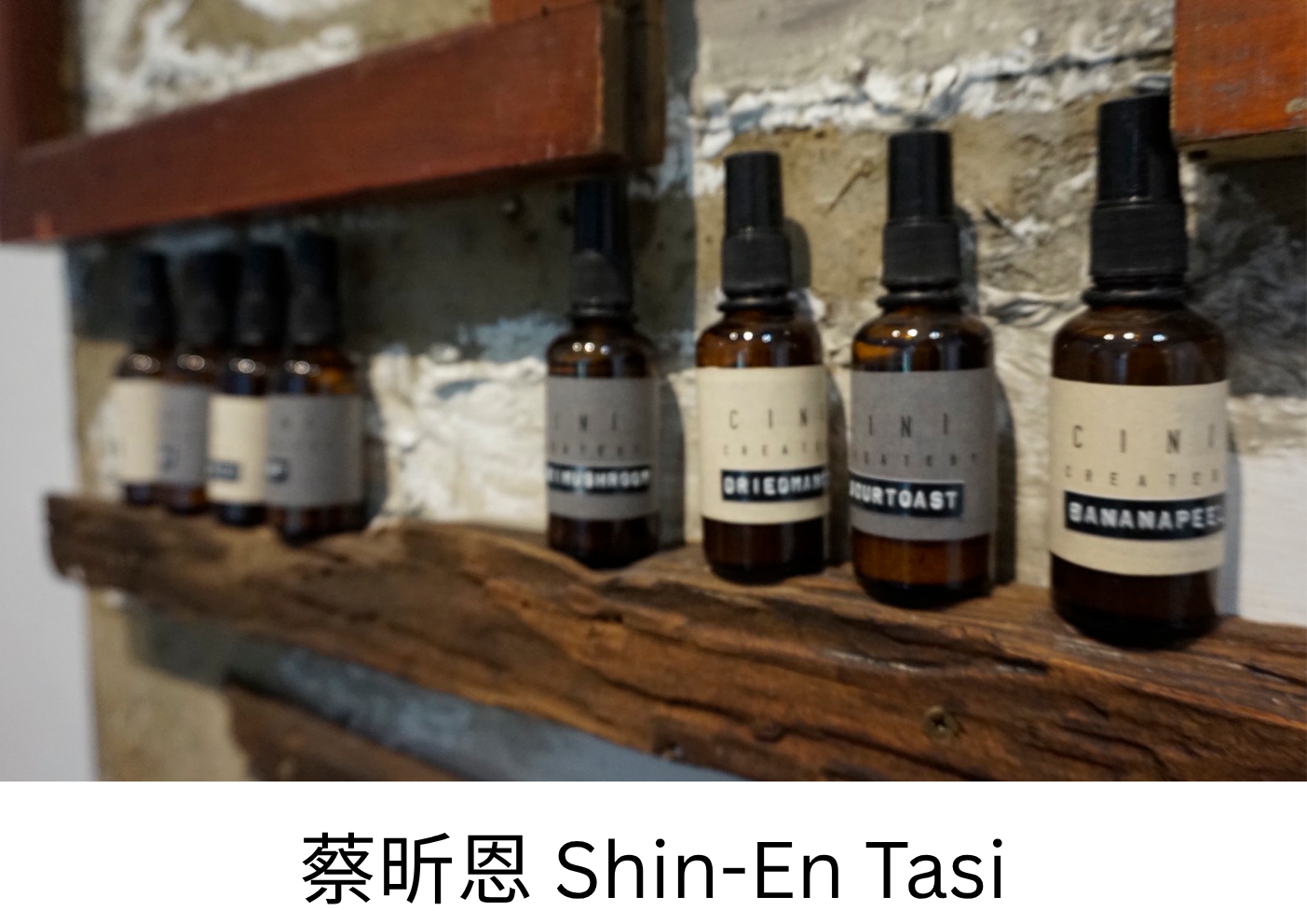
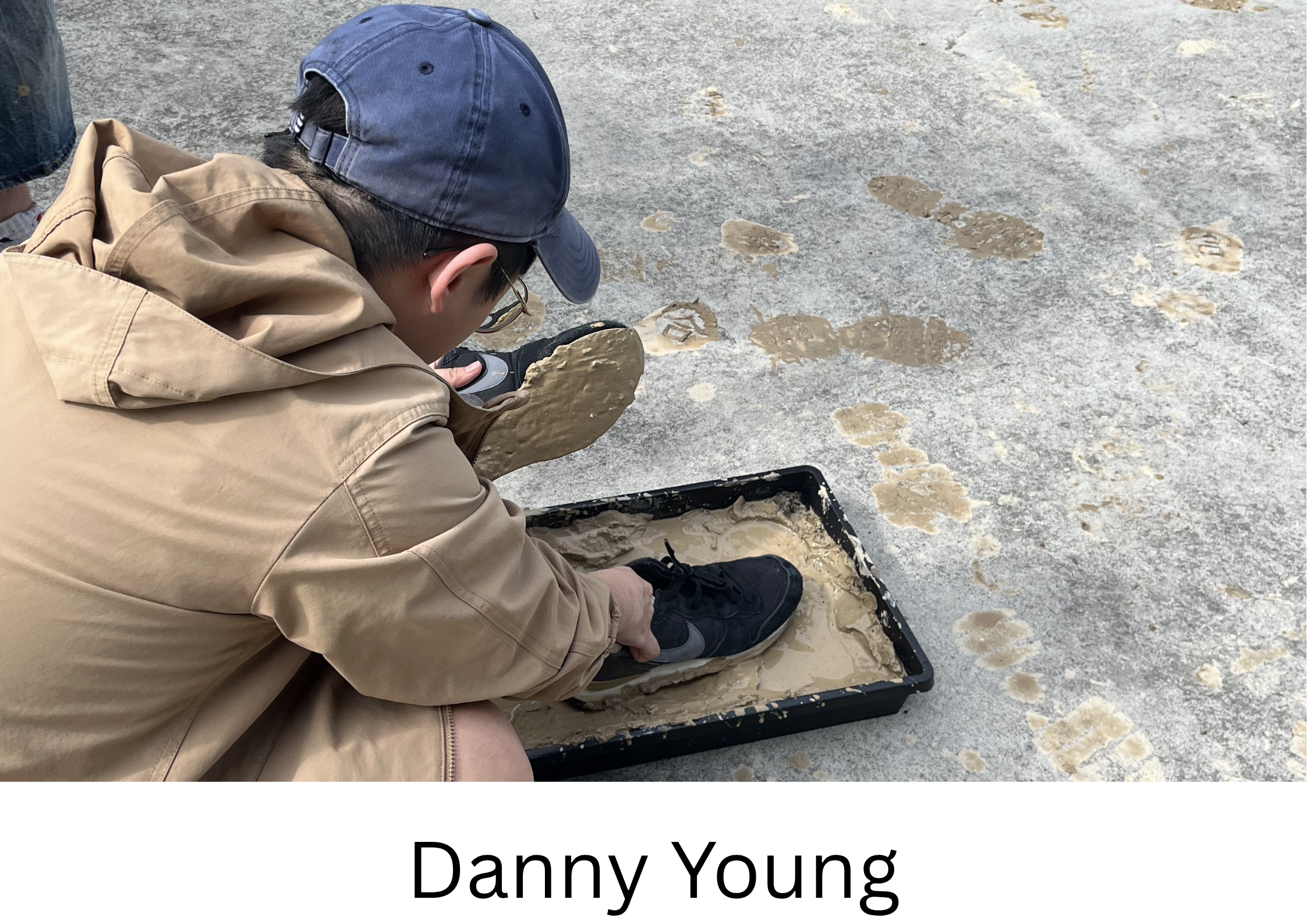
Within the material dimension, artists reactivate the relationship between perception and objects through material processes, transforming materials from passive carriers into active generative agents. Danny Young combines ceramics with local elements, allowing soil to become a site of cultural memory and embodied labour. Margarita Frančeska Loze employs fibre weaving to translate time and labour into a structural visual language. Shin-En Tasi creates perfume through the fermentation of food waste, transforming discarded matter into an olfactory experience that redefines systems of value and sensory perception.
This dimension resonates with Jane Bennett’s concept of Vibrant Matter, which suggests that matter itself possesses agency and continues to generate influence through relationships. Material is therefore no longer passive, but becomes an active participant in the formation of events. At the same time, this may also be understood as a “perceptual model”, in which the body operates as both an input and output interface, allowing meaning to emerge through sensation rather than existing solely within linguistic systems.
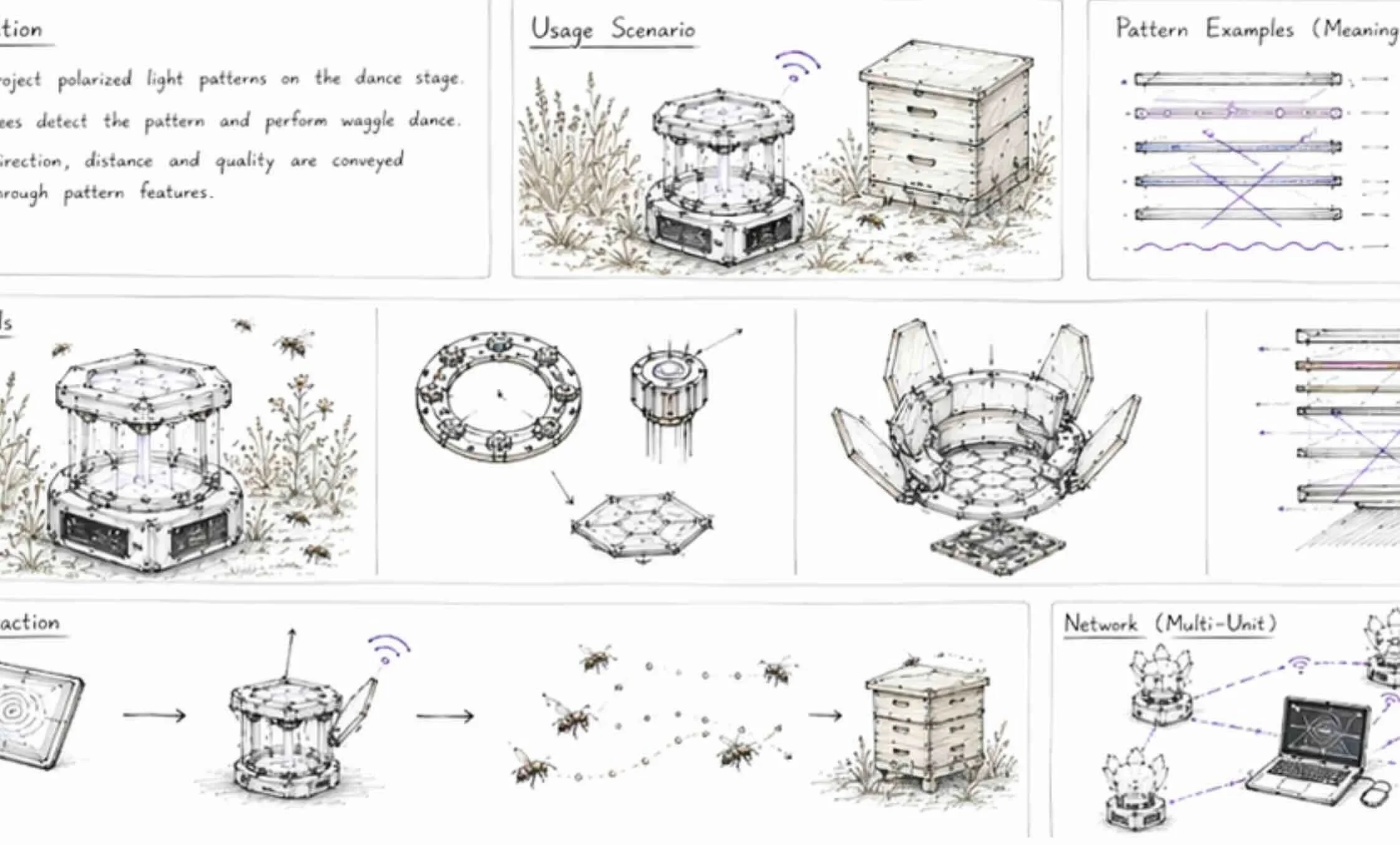
Ecology: The Reorganisation of More-than-Human Relations
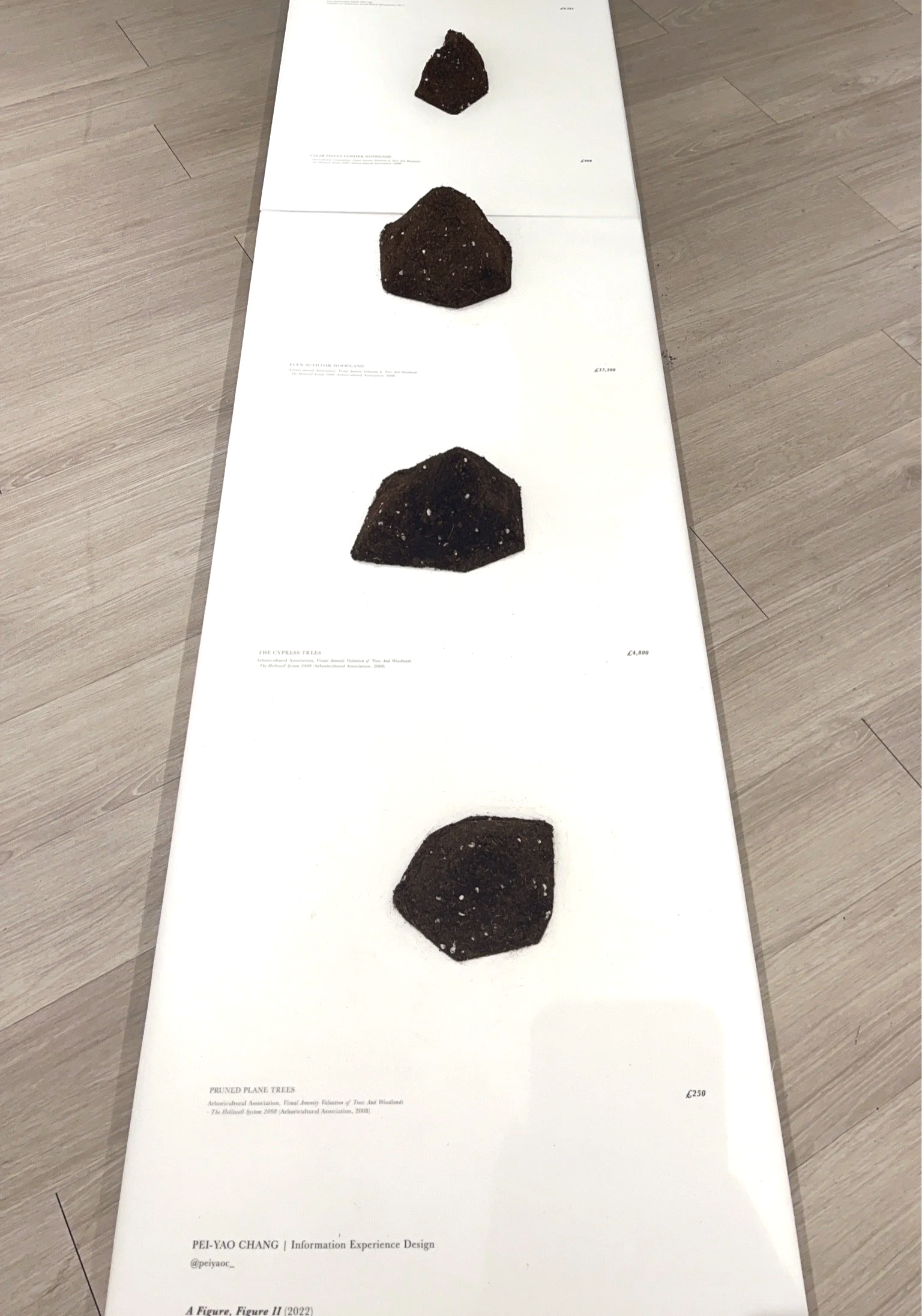
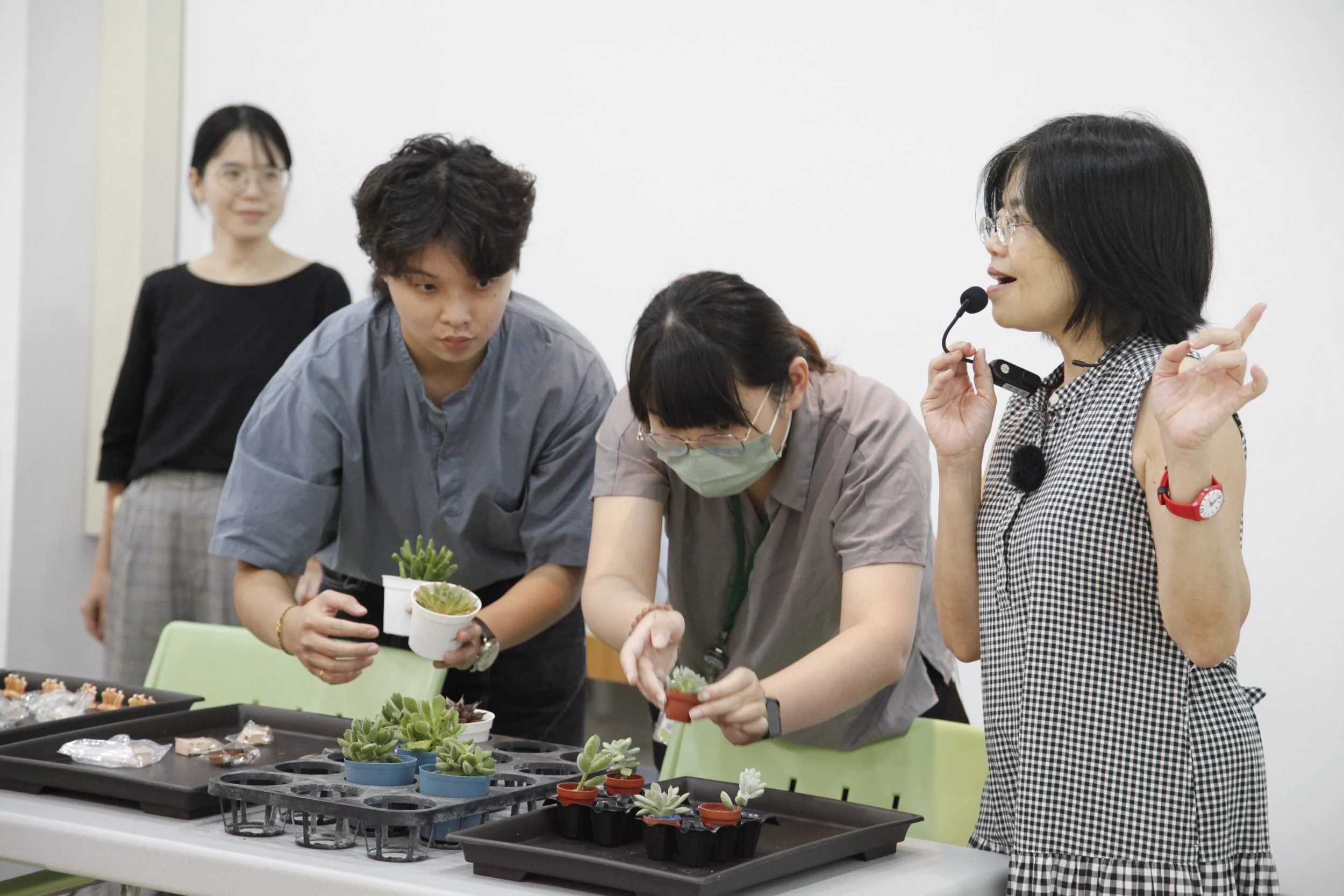
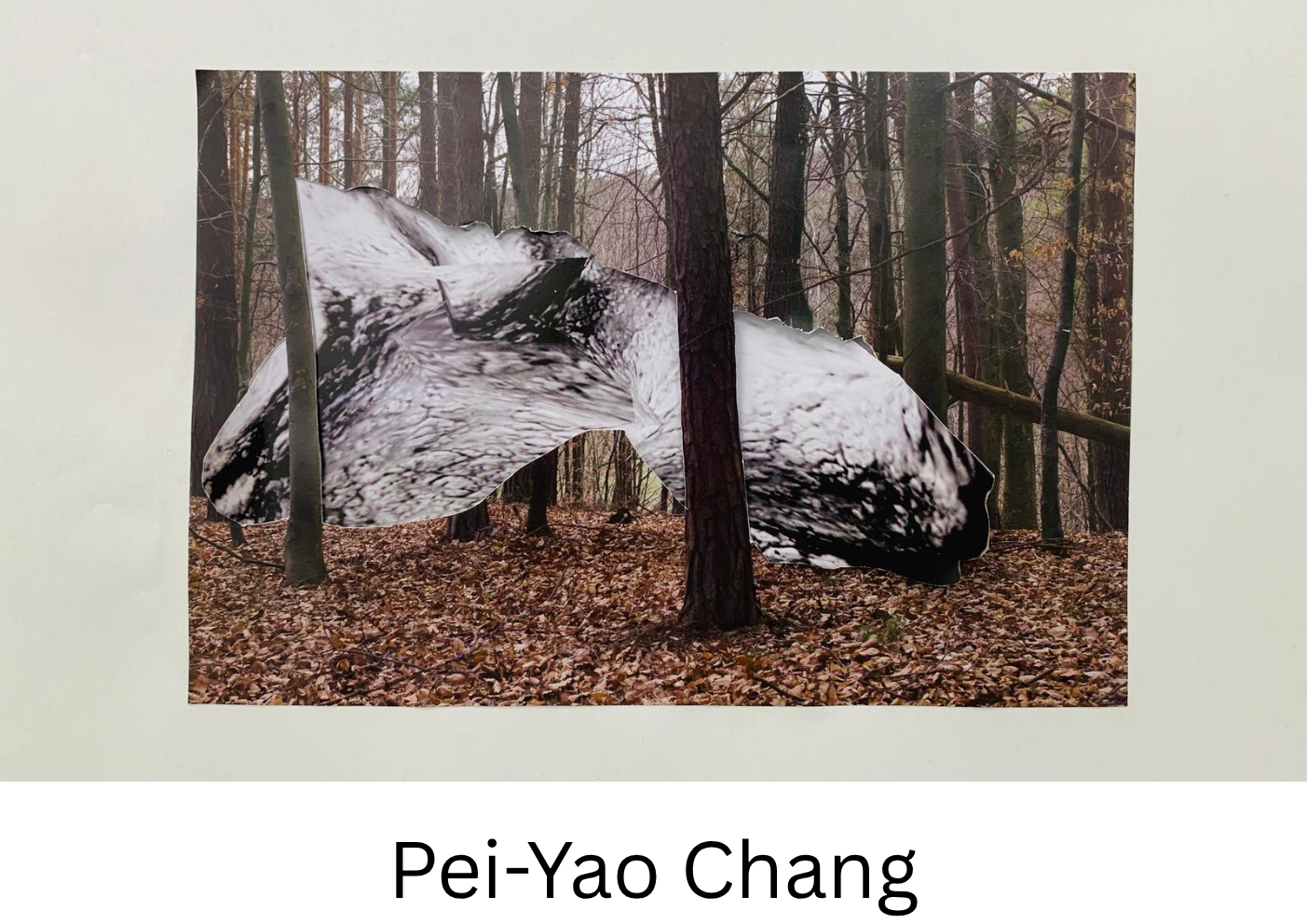
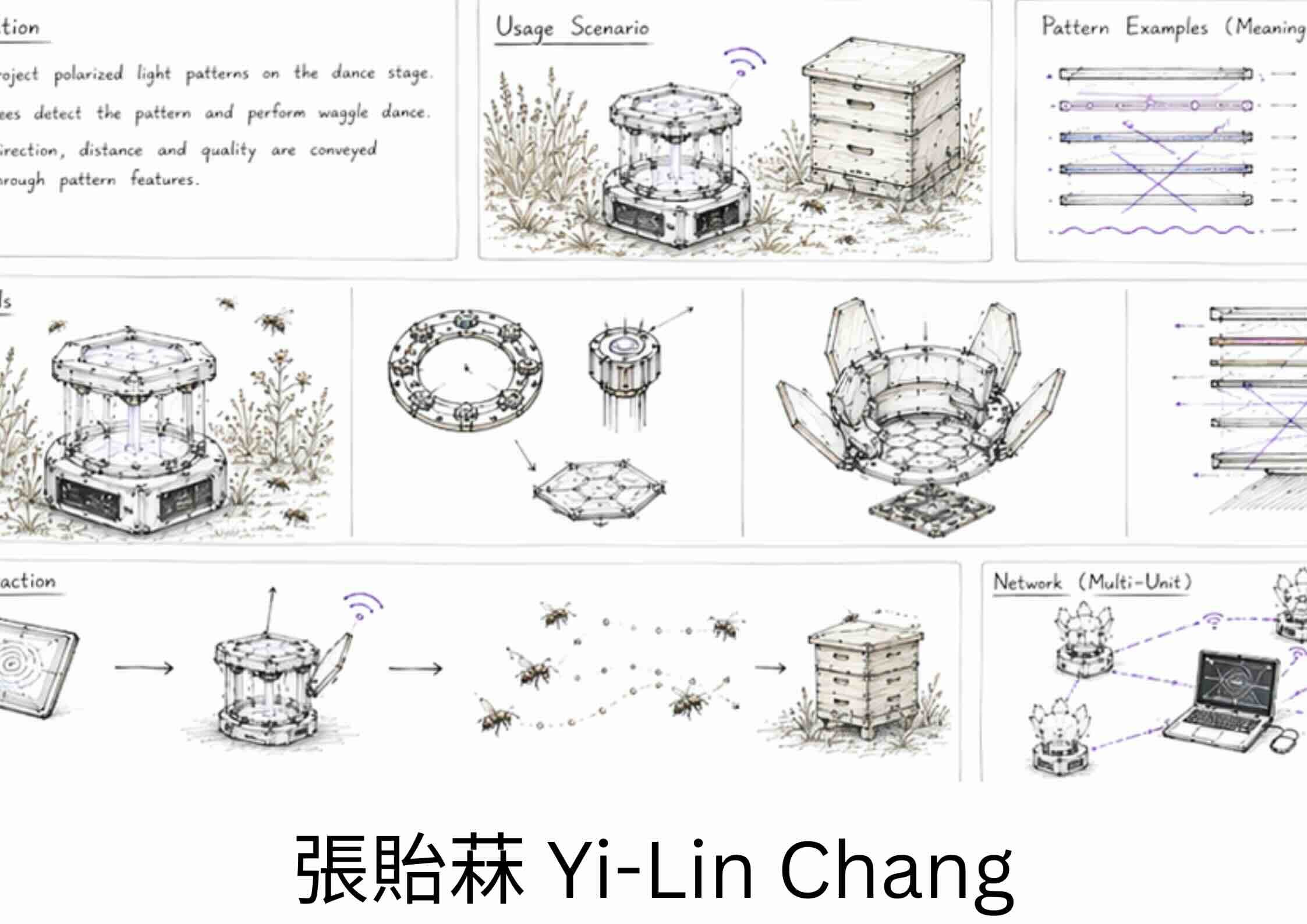
The ecological dimension expands artistic practice beyond the individual and towards the natural environment, focusing on coexistence and interaction between human and non-human entities. Pei-Yao Chang reflects upon systems of value through interactions between humans and plants. Yi-Lin Chang focuses on emotional detection between humans and animals, transforming observation into a subtle relationship of dependency and attentiveness. The USR Ecological Healing and Green Sustainability Changhua Ecological Project extends art into tangible forms of sustainable practice through cross-disciplinary collaboration.
This trajectory echoes Richard Grusin’s notion of the “nonhuman turn”, which moves beyond anthropocentric perspectives and positions the environment itself as an active producer of meaning. It may also be understood as a “relational model”, in which meaning emerges through interactions across species and scales. Art therefore does not merely represent nature, but actively intervenes in and reorganises the boundaries between nature and culture.
Action: The Body as a Real-Time Generative Interface
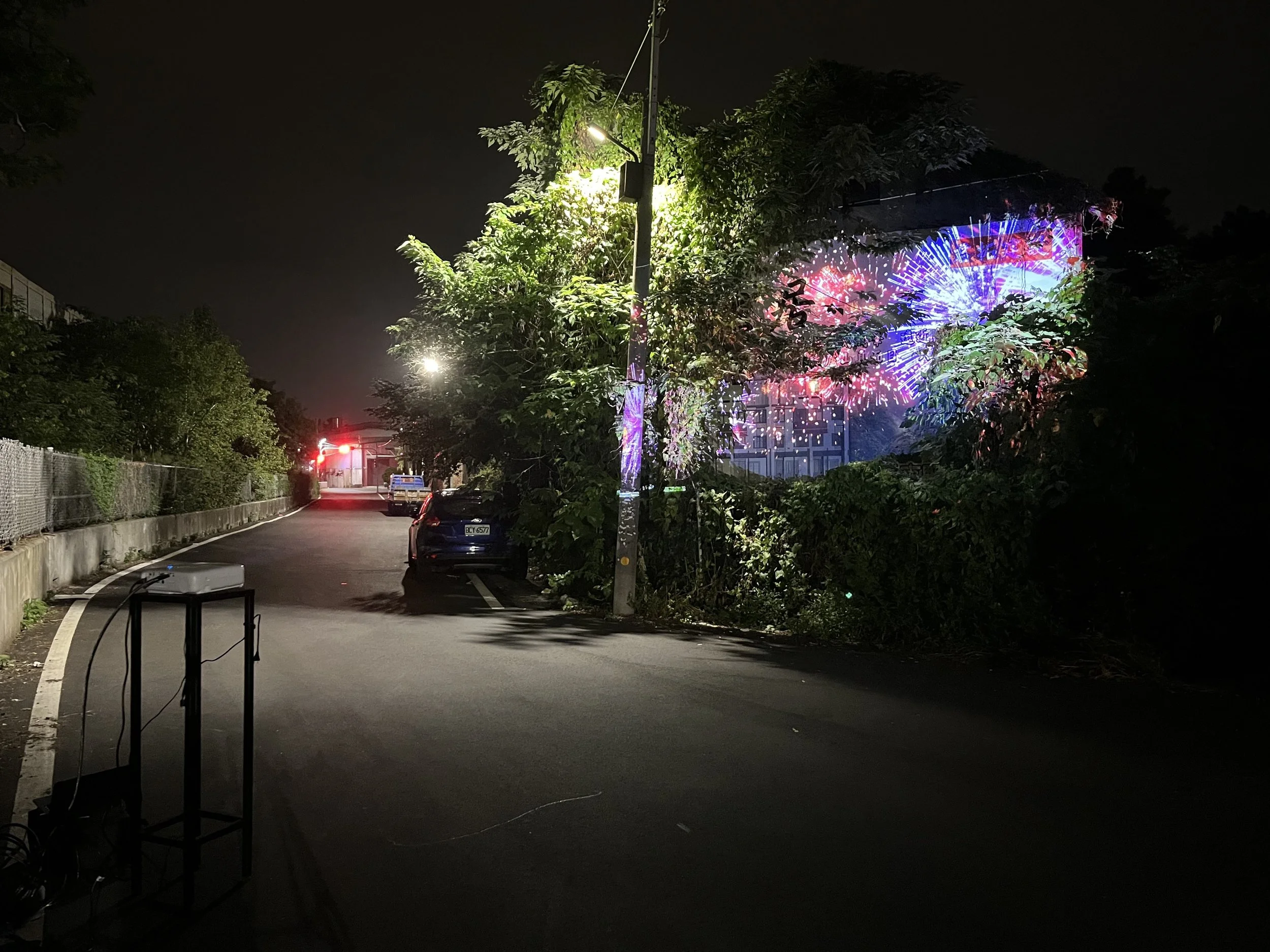
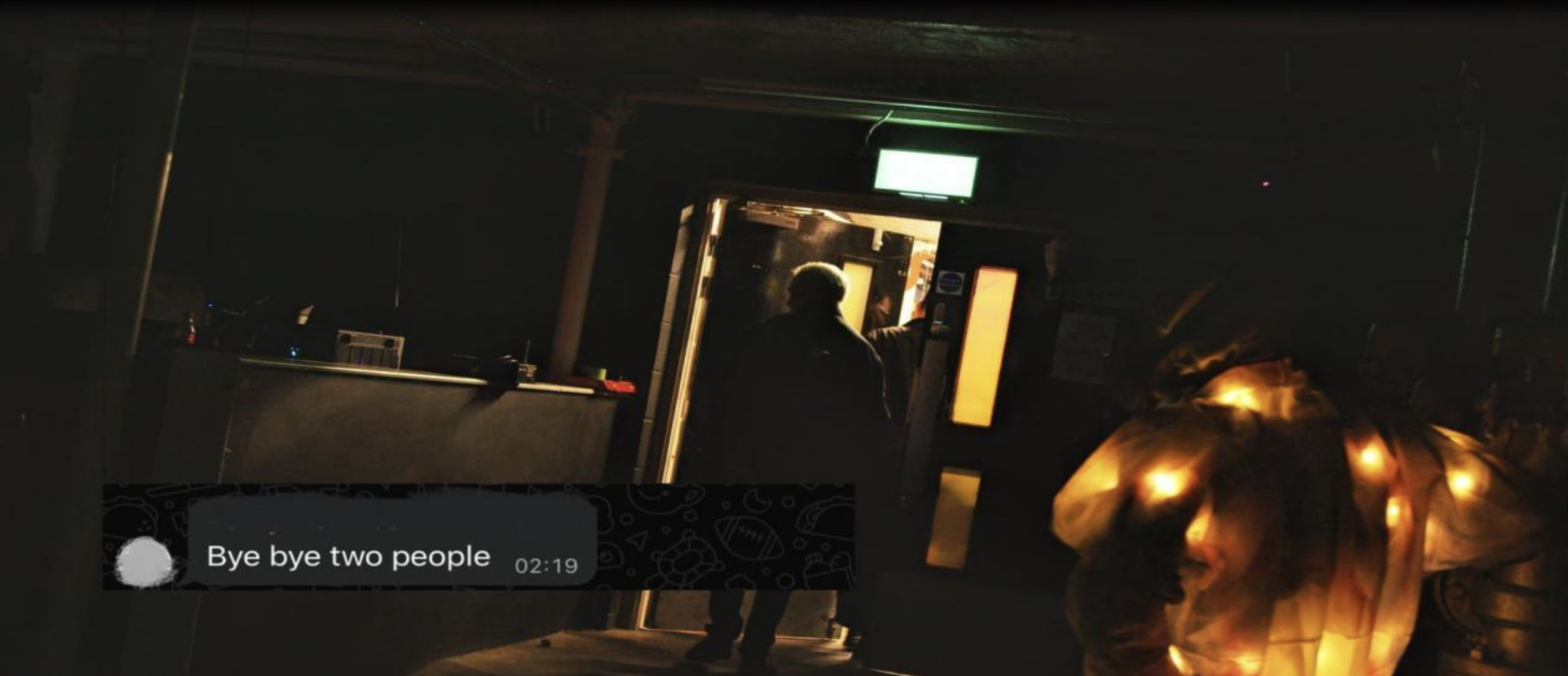
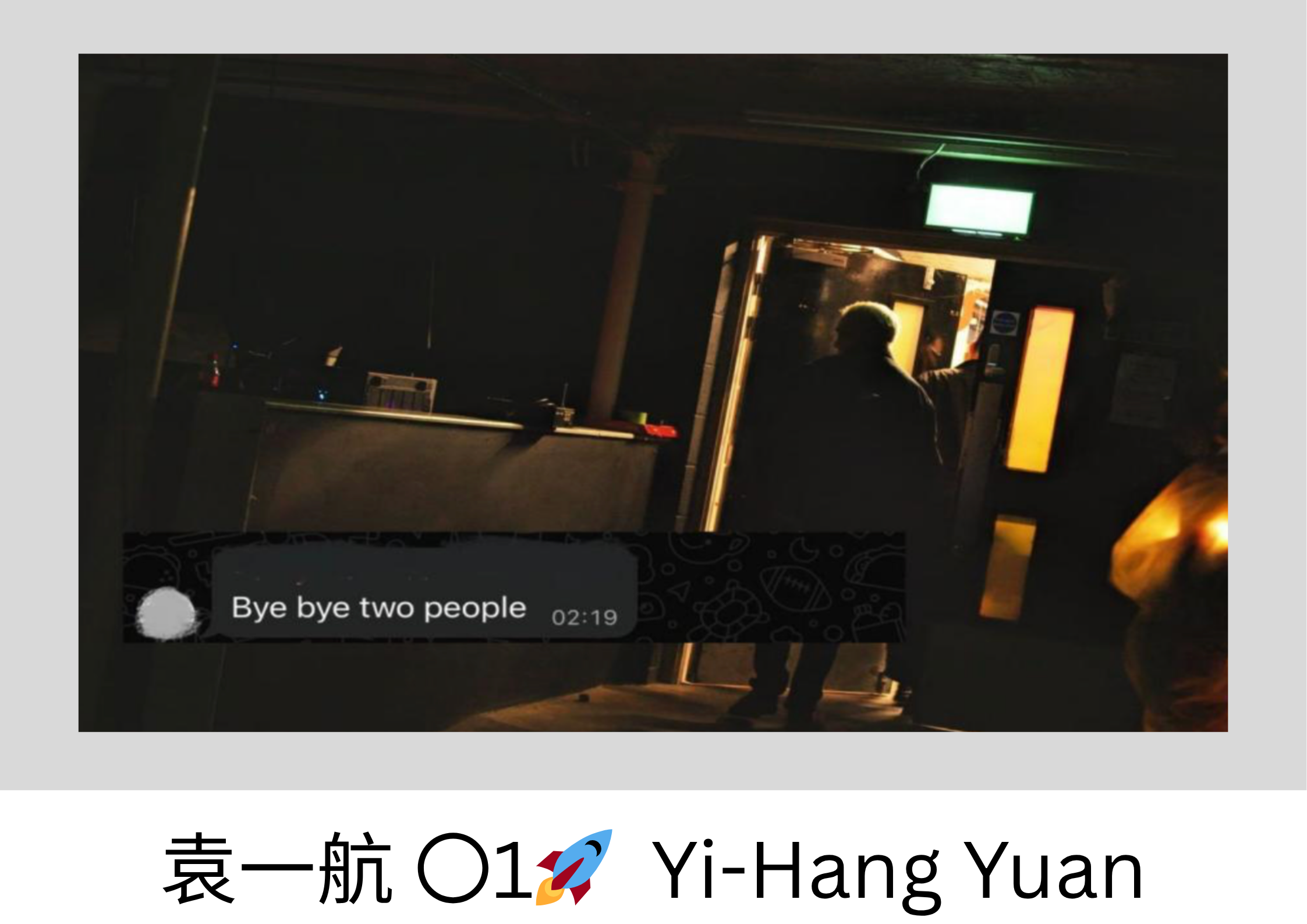
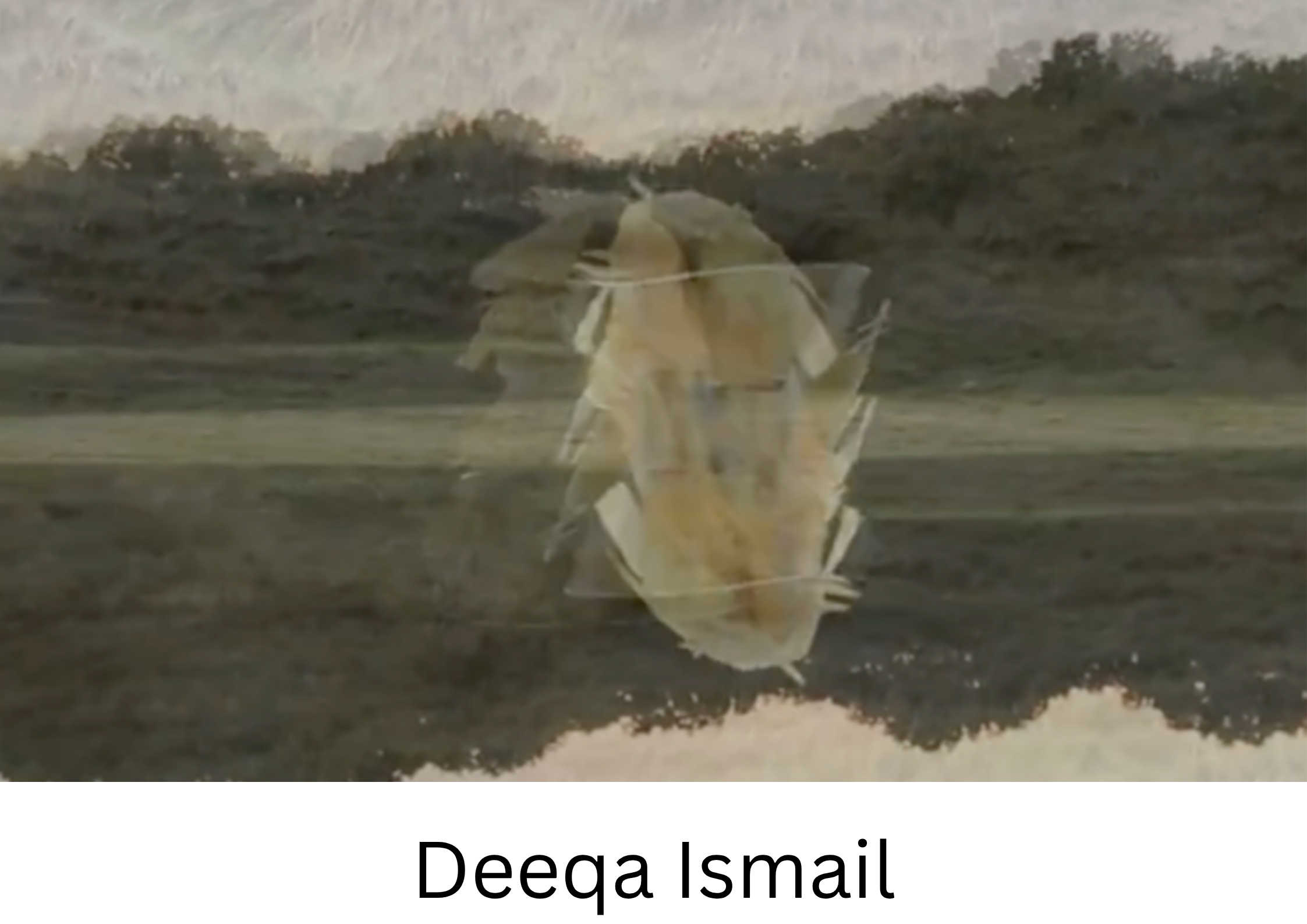
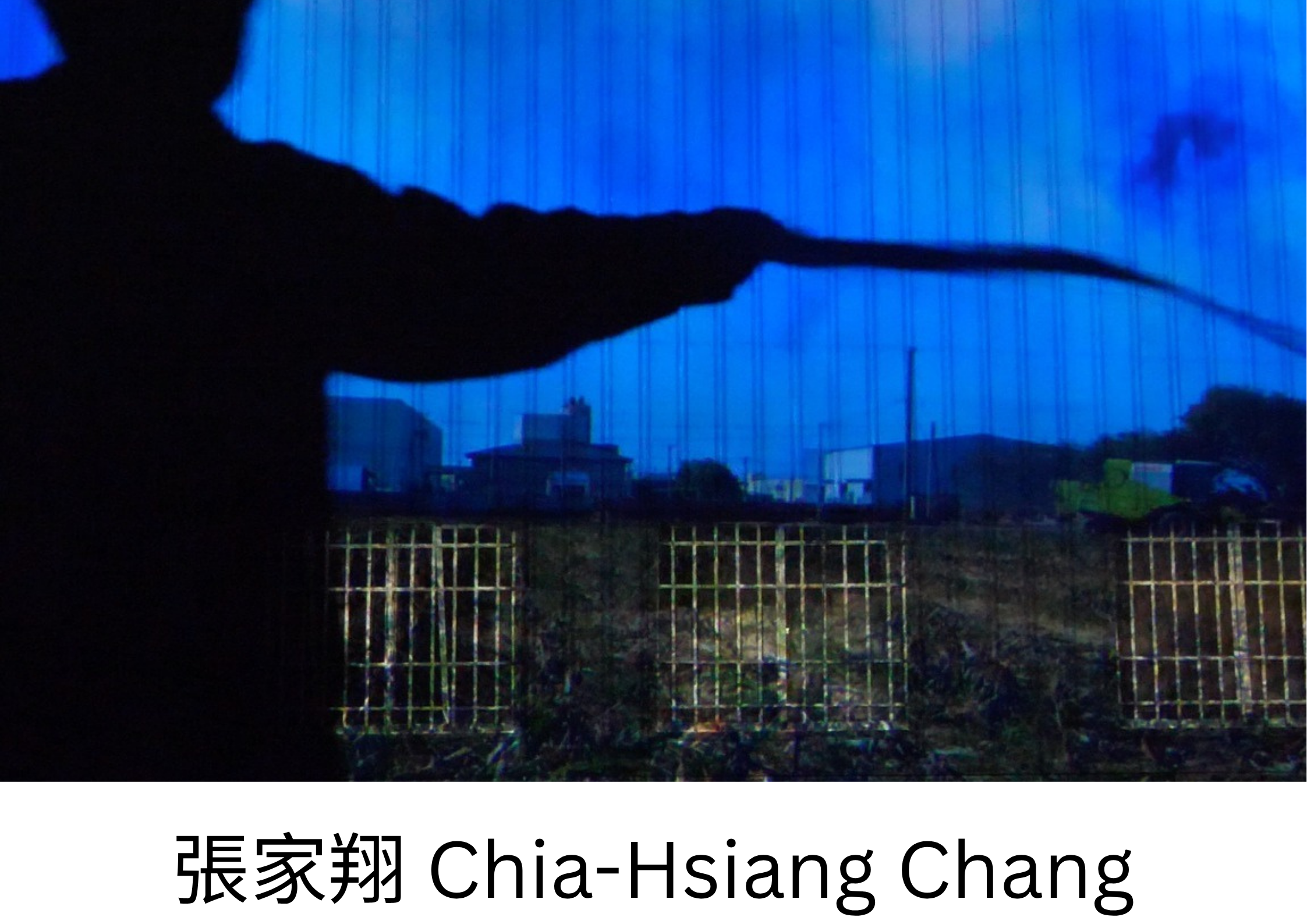
The dimension of action situates art within lived situations, positioning the body as a central node in the generation of meaning. Chia-Hsiang Chang constructs layered environments in which the viewer’s gaze continually shifts between physical space and mediated image. Yi-Hang Yuan uses mobile phones and network communication systems to expose the instability and disorder embedded within contemporary information exchange. Deeqa Ismail employs performance to explore the fluidity and recoding of identity.
This dimension may be understood through performance theory. Judith Butler’s concept of performativity proposes that identity is constructed through repeated acts, while Erika Fischer-Lichte’s “autopoietic feedback loop” describes how the interaction between performer and audience continuously transforms the work in real time. Gilles Deleuze’s notion of the “society of control” further reveals how individuals remain constantly modulated within flows of information. Action may therefore be understood as a “real-time generative model”, in which meaning is continually produced and revised through interaction and situation.
Network: Decentralised Structures of Cultural Production
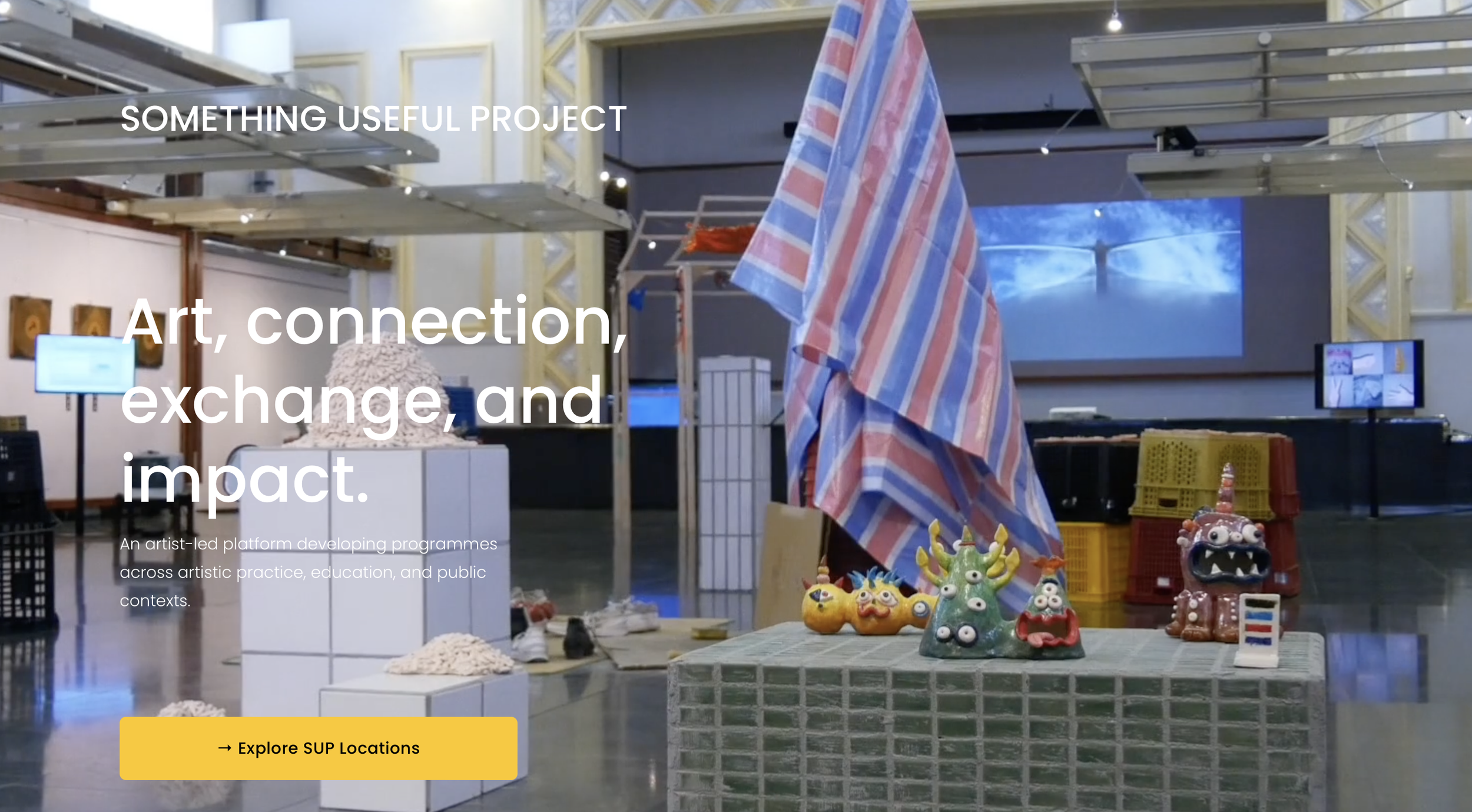
The network dimension focuses on the conditions and structures underpinning artistic production. SUP (Something Useful Project) establishes transnational connections through international residency programmes, while NOFORMULA, operating outside institutional structures, provides an experimental platform for artistic production. Together, they construct a decentralised network of cultural production.
Manuel Castells’ concept of the “network society” suggests that power shifts from hierarchical systems towards distributed nodes. Nicolas Bourriaud’s “relational aesthetics” frames art as a site of relational production, while Bruno Latour’s Actor-Network Theory emphasises the equal agency of people, objects, and institutions within systems of interaction. Within this context, networks are not simply support mechanisms, but operate as a “structural model” through which artistic practice continues to evolve through connection and translation.
Activation: Micro-Language Models of Art does not position art as a metaphor for large language models, but instead proposes an alternative generative logic: a cultural model grounded in materiality, structured through ecology, activated through action, and sustained through networks. Within this framework, creativity emerges through the activation of multiple relationships, while meaning is continuously generated through ongoing processes of interaction. Art therefore becomes an open system capable of continually rewriting its own rules and conditions of operation.
-
展覽介紹
文/策展人 張皓甯
展覽以「激活:藝術微型語言模型」為名,對比當代大型語言模型(LLM),提出一種不同於計 算導向的文化模型。相較於依賴資料訓練與參數優化的人工智慧系統,本展強調藝術作為一種以 感知、關係與行動為基礎的生成機制。透過「物質、生態、行動、網絡」四個面向,建構出一個 去中心化且可持續運作的生成系統。在此系統中,藝術不再只是再現或表達,而是一種能激活現 實、重組關係並持續生成意義的過程。
物質(Material): 感知與能動性的生成
在物質面向中,藝術家透過媒材操作重新啟動感知與物之間的關係,使材料從被動載體轉化為生 成主體。Danny Young以陶藝結合在地元素,使土壤成為文化記憶與身體勞動的沉積場;Mar- garita Frančeska Loze 透過纖維編織,將時間與勞動轉化為結構性的視覺語言;蔡昕恩以廚餘 發酵製作香水,將廢棄物轉譯為嗅覺經驗,重新定義價值與感官層次。此面向回應 Jane Bennett 的「活的物質」(Vibrant Matter),指出物質本身具有能動性,能在關係中持續生成與影響。物不 再是被動對象,而是與人共同構成事件的行動者。同時,此亦可視為一種「感知模型」,使身體成 為輸入與輸出的介面,讓意義在感官中生成,而非僅存在於語言符號之中。
生態(Ecology): 跨物種關係的再組織
生態面向將創作從個體擴展至自然,關注人類與非人類之間的共存與交互作用。張珮瑤(Pei-Yao Chang)透過人與植物的互動,反思價值體系的建構;張貽菻聚焦人與動物間的情感探測,使觀看 轉化為細膩的依存關係;USR 生態療癒綠色永續彰化生態計畫則從跨學院出發,將藝術延展為具 體的永續實踐。此路徑呼應 Richard Grusin 的「非人類轉向」,去除人類中心視角,使環境成為 生成意義的主體。此亦可理解為一種「關係模型」,意義在多物種與多尺度的交互作用中浮現,藝 術不只是表現自然,而是介入並重組自然與文化的界線。
行動(Action): 即時生成的身體介面
行動將藝術置於現場,使身體成為生成意義的核心節點。張家翔透過虛實交錯的場景,使觀者目 光在空間與影像之間游移;袁一航以手機與網絡通訊揭示資訊傳遞的失序;Deeqa Ismail 透過表 演探討身份的流動與再編碼。此面向可由表演理論理解:Judith Butler 的「展演性」指出身份在 重複行動中被建構;Erika Fischer-Lichte 的「自我生成回饋迴路」說明表演者與觀者互動會即 時改變作品。此外,Gilles Deleuze 的「控制社會」揭示個體在資訊流中的持續調控。行動因此 可視為一種「即時生成模型」,意義在情境與互動中不斷生成與修正。
網絡(Network): 去中心化的生成結構
關注藝術生產的條件與結構。SUP(Something Useful Project)透過國際駐村建立跨地域連結; NOFORMULA作為體制外團體,提供實驗性創作場域。兩者共同構築去中心化的文化生產網絡。 Manuel Castells 的「網絡社會」指出權力由階層轉向節點;Nicolas Bourriaud 的「關係美學」將 藝術視為關係生成場域;Bruno Latour 的行動者網絡理論則強調人、物與制度的平等性。在此脈 絡下,網絡不只是支持機制,而是一種「結構模型」,使創作在連結與轉譯中持續運作。
《激活: 藝術微型語言模型》並非將藝術視為大型語言模型的比擬,而是提出另一種生成邏輯:以物質為 基礎、生態為關係、行動為運算、網絡為結構的文化模型。在此之中,創造性來自多重關係的激 活,意義在持續運作中生成,使藝術成為一種開放且可不斷重寫自身規則的系統。



The InSEA Asia Regional Congress 2026
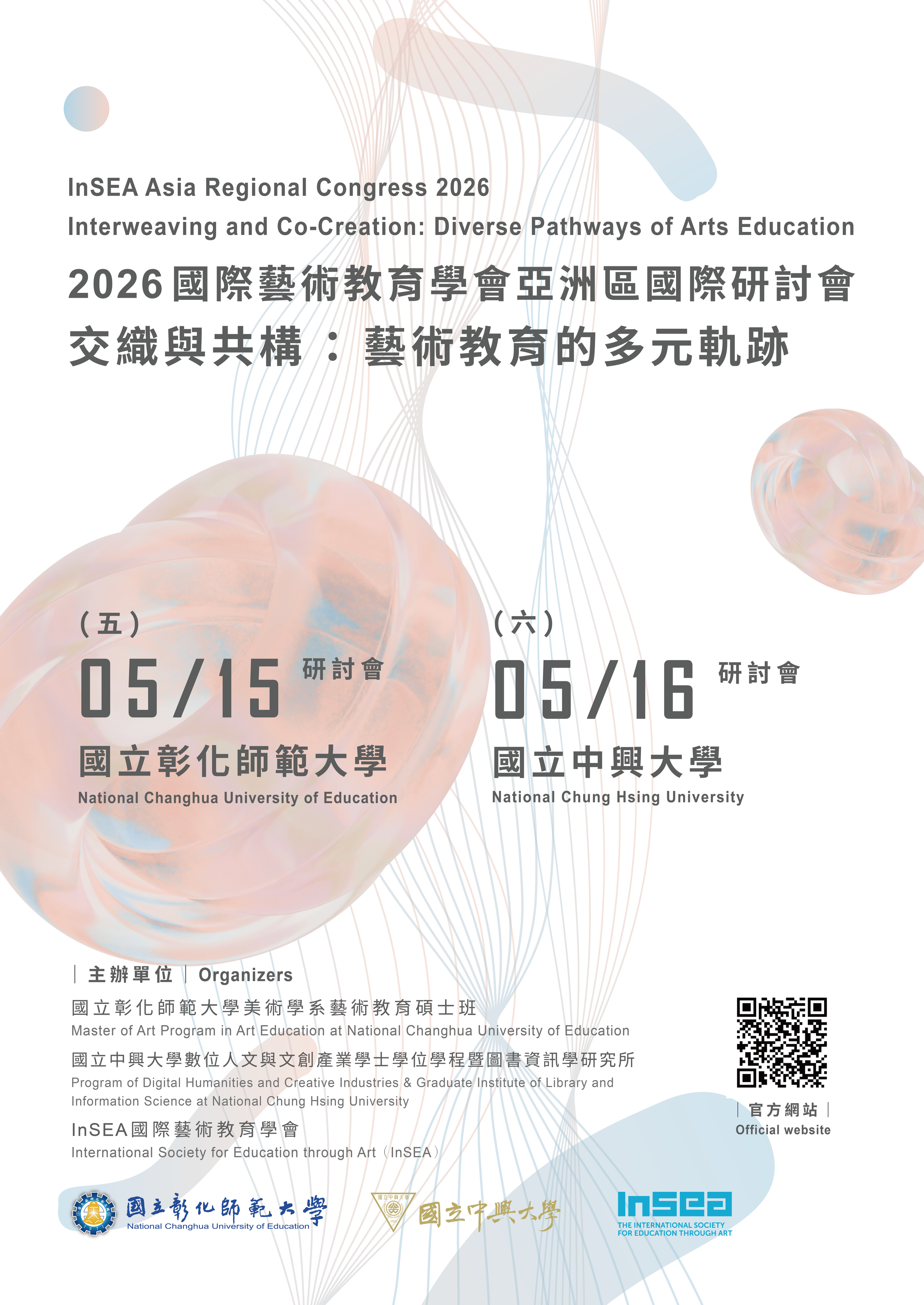
The InSEA Asia Regional Congress 2026 focuses on interdisciplinary and practice-based approaches to art education. Building on the forum series initiated in 2021 by Professor Wang Li-Yan and the MA in Art Education at National Changhua University of Education, the congress brings together educators, artists, and researchers to explore how art education responds to contemporary social and cultural contexts.
2026 國際藝術教育學會亞洲區研討會聚焦於藝術教育中的跨領域與實踐導向方法。延續國立彰化師範大學王麗雁教授帶領藝術教育碩士班自 2021 年發起的論壇基礎,匯聚教育者、藝術家與研究者,共同探討藝術教育如何回應當代社會與文化脈絡。
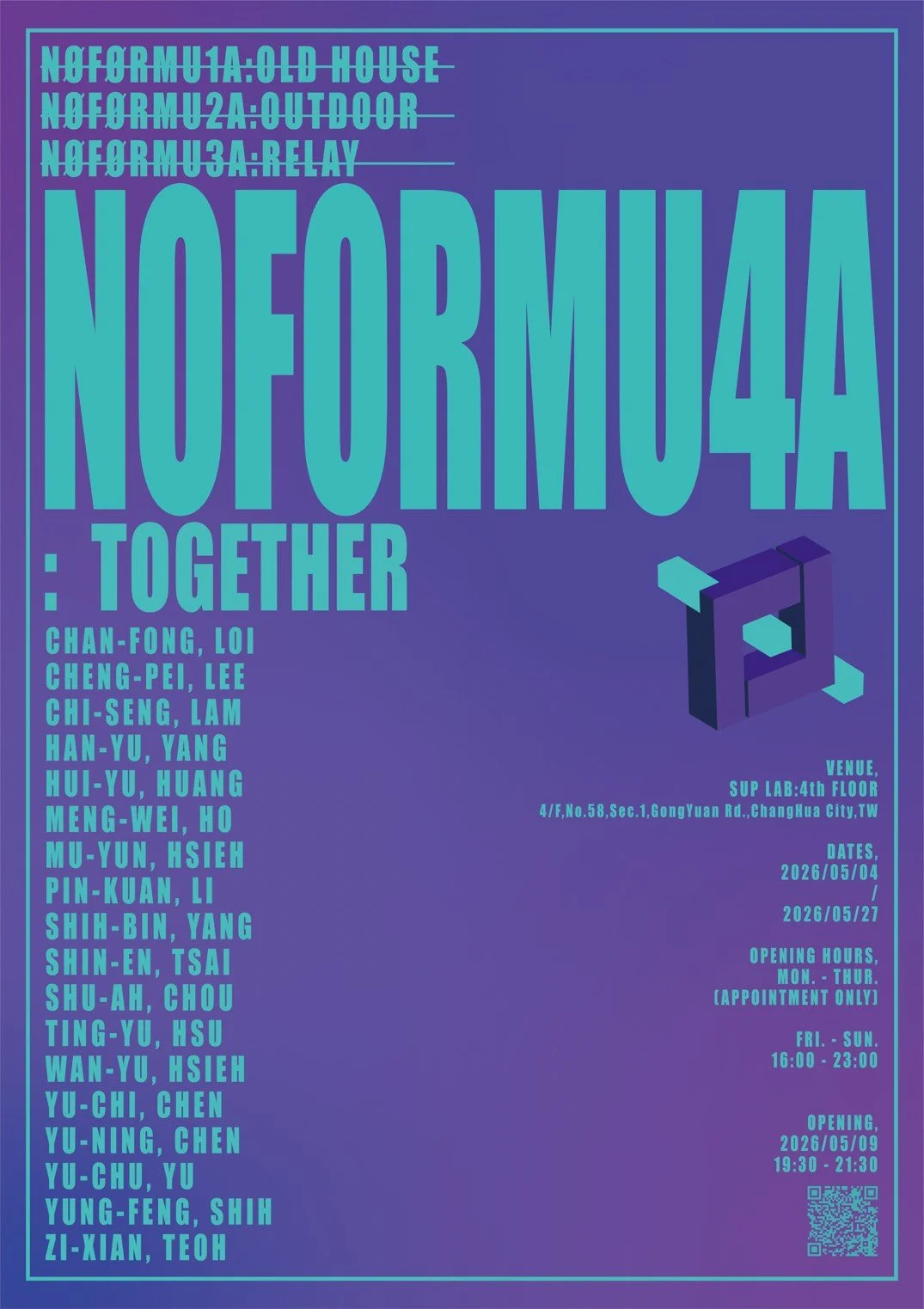
NOFORMU4A
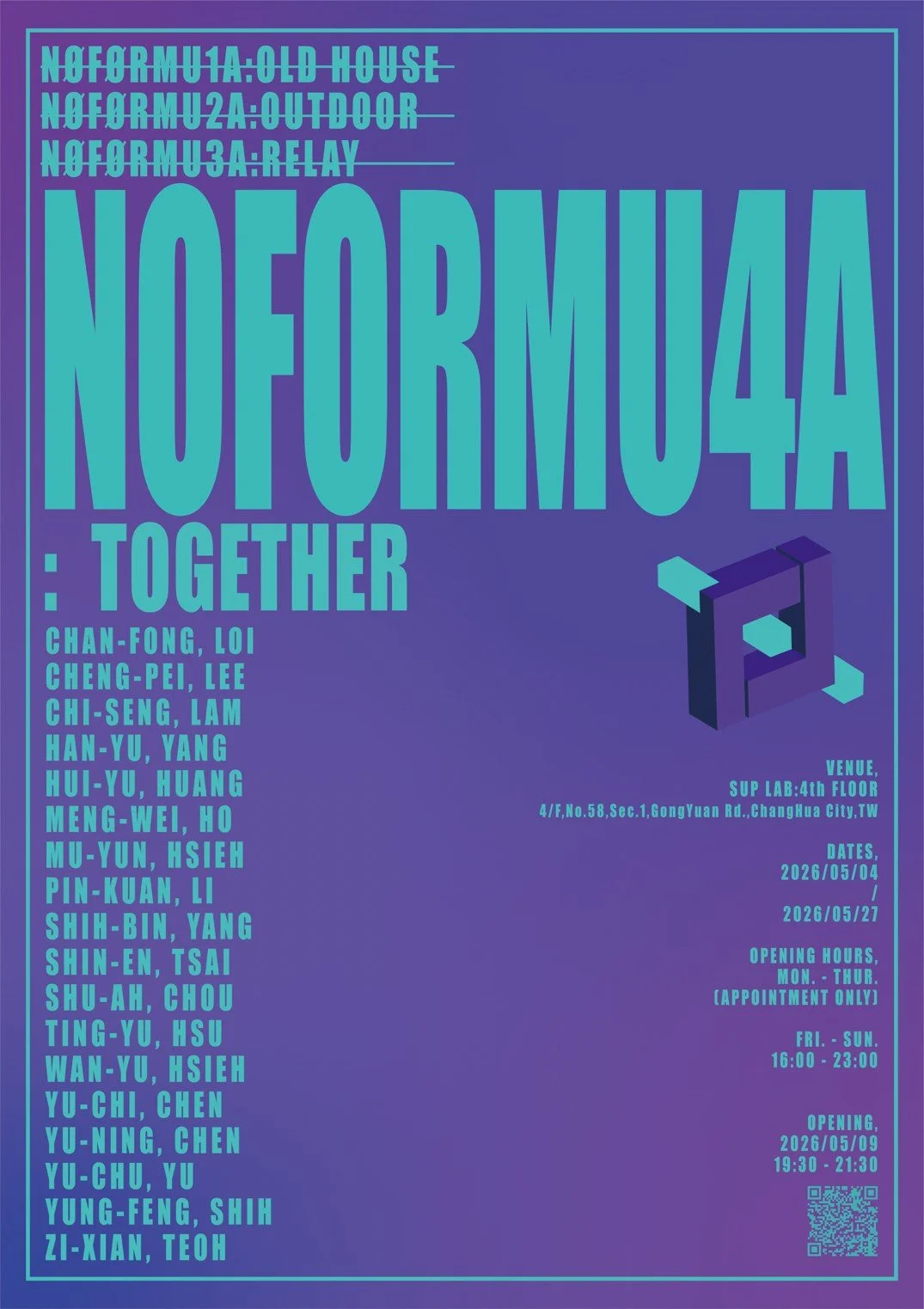
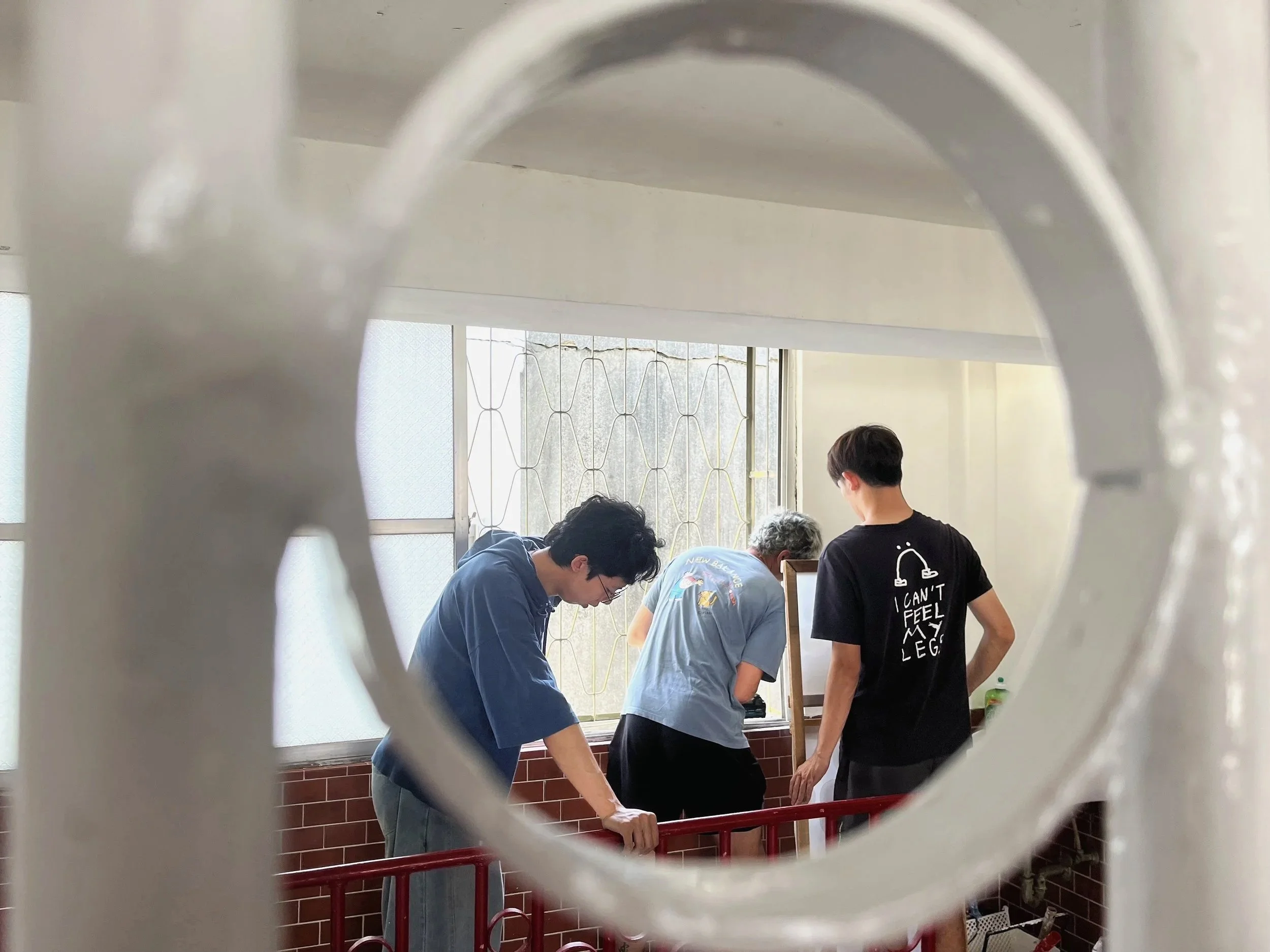
As a parallel exhibition, NOFORMULA 4th Edition takes place at SUP LAB: 4th Floor from 4 May to 27 May.
INOFORMULA 4th Edition (NOFORMU4A: TOGETHER) is a process-based exhibition that explores collective exhibition-making through open participation and shared experience. Hosted at SUP LAB, it brings together art students from National Changhua University of Education to engage with practice-led approaches to collaboration, spatial negotiation, and curatorial experimentation.
NOFORMULA 第四屆展覽(NOFORMU4A: TOGETHER)以開放參與與實踐導向為基礎,透過共同的時間與空間經驗,探索集體創作與展覽生成的可能性。展覽於 SUP LAB 舉行,匯集國立彰化師範大學美術學系學生,實踐以過程為核心的合作與策展方式。
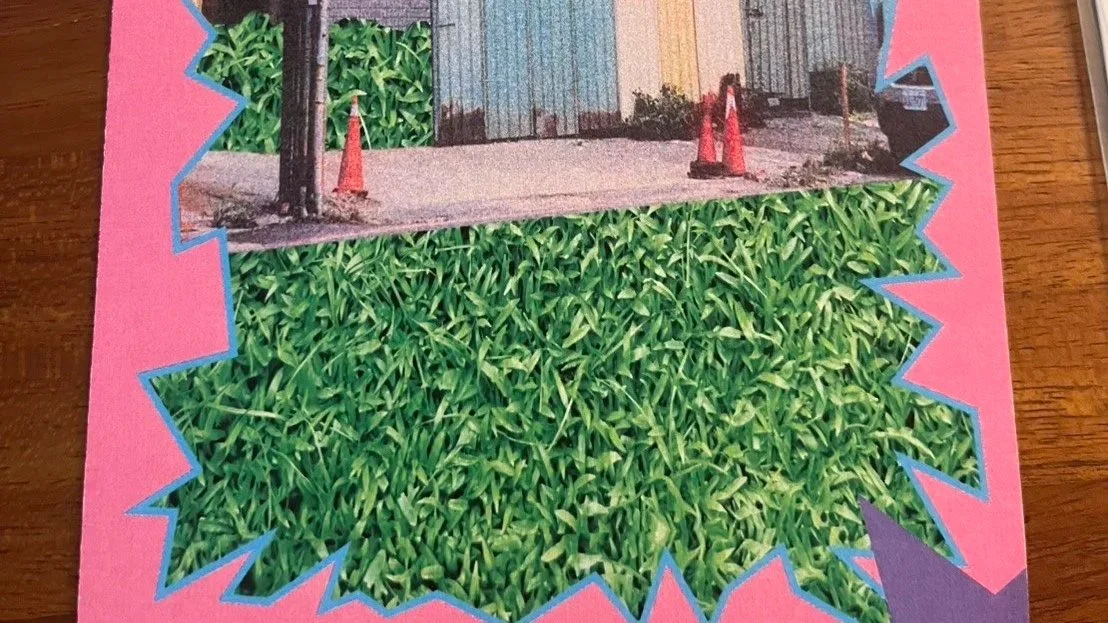
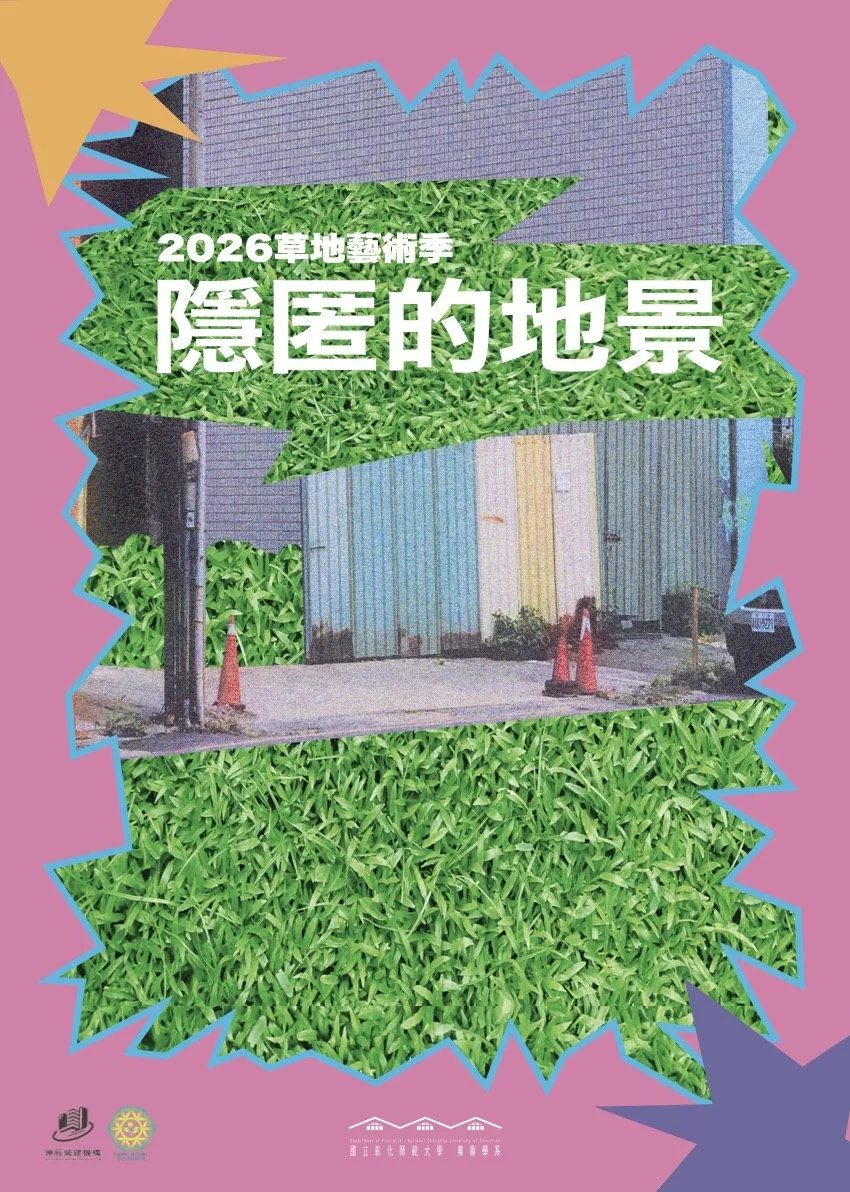
Grassland Art Festival
During the exhibition and conference period, the 2026 Hidden Landscapes_Grassland Art Festival, organised by the Student Association of the Fine Art Department at the National Changhua University of Education, takes place on campus as a parallel programme.
Independently organised, it shares the same temporal and spatial context as the conference and its collateral exhibition, Activation, contributing to a broader cultural moment in Changhua.
展覽與研討會期間,由國立彰化師範大學美術學系系學會主辦之「2026 隱匿的地景_草地藝術季」於校園內同步展開,作為一項平行展演計畫。
該活動為獨立策劃,並於時間與場域層面上,與研討會及其延伸展覽共同構成彰化當期更為廣泛之文化脈絡。
Collateral Exhibition Venue Sponsor MiART
MiART is a small-scale art space embedded within the dessert brand MiSS小姐, established in 2025. Through opening up an everyday setting, the initiative seeks to reposition art beyond the confines of traditional galleries, allowing it to integrate naturally into daily life as an accessible and lived experience.
Rooted in a commitment to supporting local contemporary art, MiART provides an open and flexible platform for emerging artists to present their work, exchange ideas, and build direct connections with audiences. Through exhibitions, sharing sessions, and cross-disciplinary collaborations, it aims to broaden public engagement with diverse artistic practices while contributing to the development of the local cultural landscape.
MiART also places strong emphasis on early childhood art education. Through activities such as drawing and hands-on making, children are encouraged to explore freely, nurturing their observation, imagination, and expressive abilities, while building confidence and a lasting relationship with art from a young age.
By operating within the framework of the MiSS小姐 brand, MiART brings together dessert, daily life, and artistic practice. It creates a space where creation, education, and everyday experience intersect—an environment that is both sensory and participatory—allowing art to unfold organically within the rhythm of the city.
展覽場地贊助 MiART
MiART 是隱身於甜點品牌 MiSS小姐 的小型藝術空間,於 2025 年創立。品牌希望透過生活場域的開放,讓藝術不再只存在於美術館,而能自然融入日常,成為生活的一部分。
MiART 以 扶持在地當代藝術 為理念,提供高度自由的展出平台,讓青年藝術家能分享創作、交流觀點,並與觀眾建立直接連結。透過展覽、分享與跨領域合作,希望讓更多人接觸多元藝術形式,累積在地藝術文化。
同時,MiART 重視 兒童藝術啟蒙。透過繪畫與手作等體驗活動,孩子可在自由探索中培養觀察力、想像力與表達能力,從小建立對藝術的興趣與自信。
透過 MiSS小姐 的品牌平台,MiART 將甜點、生活與藝術串聯,讓創作、教育與日常在同一空間交會,形塑一個可感受、可參與的藝術場域,讓藝術在城市生活中持續發生。