
NCUE X SUP 2025
Changhua, Taiwan
Residency / Education / Public Programme
A case study demonstrating how the SUP Model operates within a university context.
→ 1. Overview
→ 2. Programme Structure
→ 3. Residency
→ 4. Workshops & Talks
→ 5. Community Engagement
→ 6. Culture Exploration
→ 7. Exhibitions
→ 8. Public & Academic Engagement
→ 9. Programme Impact
→ 10. Programme Team members and Partners
1. Overview
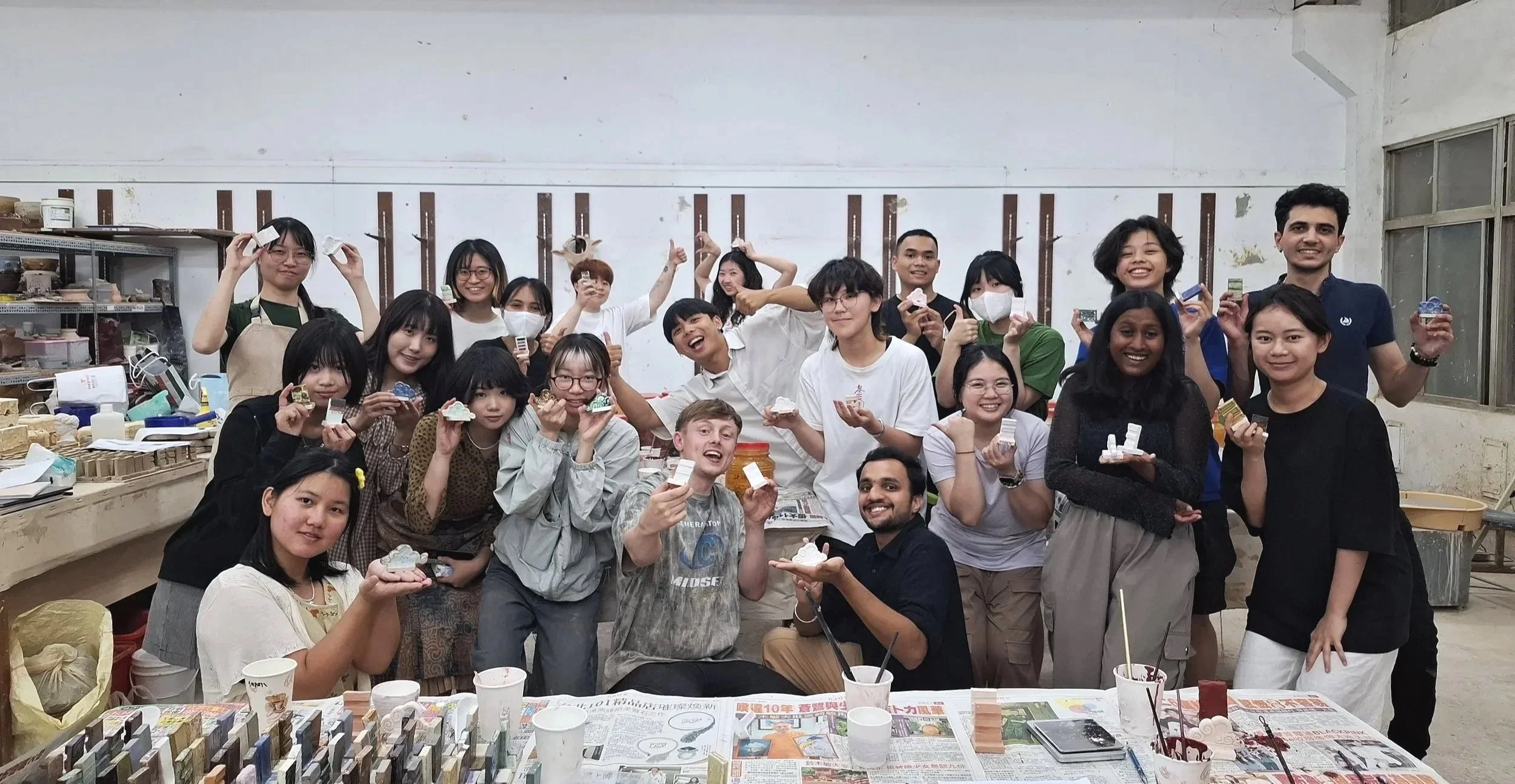
This programme was developed in collaboration with the National Changhua University of Education (NCUE), operating as a connected system linking artistic practice, education, and public engagement.
Rather than functioning as a standalone residency, the programme was structured as an integrated framework where artistic practice operates as a method — extending beyond the studio into educational, social, and public contexts.
Through workshops, exhibitions, community engagement, and academic dialogue, the programme created an environment where artistic processes enabled connection, knowledge exchange, and cultural interaction.
The programme consists of six interconnected components:
⮕ Residency — a three-month artist-in-residence programme forming the core of artistic production and research
⮕ Student Engagement — Workshops created by artist-led teaching embedded within the university curriculum
⮕ Community Engagement — activities connecting artists with local communities
⮕ Cultural Exploration — engagement with local cultural contexts as part of research
⮕ Exhibitions — public presentation of work developed through the programme
⮕ Symposium — academic and public dialogue extending the programme into discourse
Together, these components form a system where artistic practice operates as a method for exchange, learning, and social connection.
2. Programme Structure
The NCUE × SUP 2025 programme was developed as a multi-layered structure connecting artistic practice, education, and public engagement.
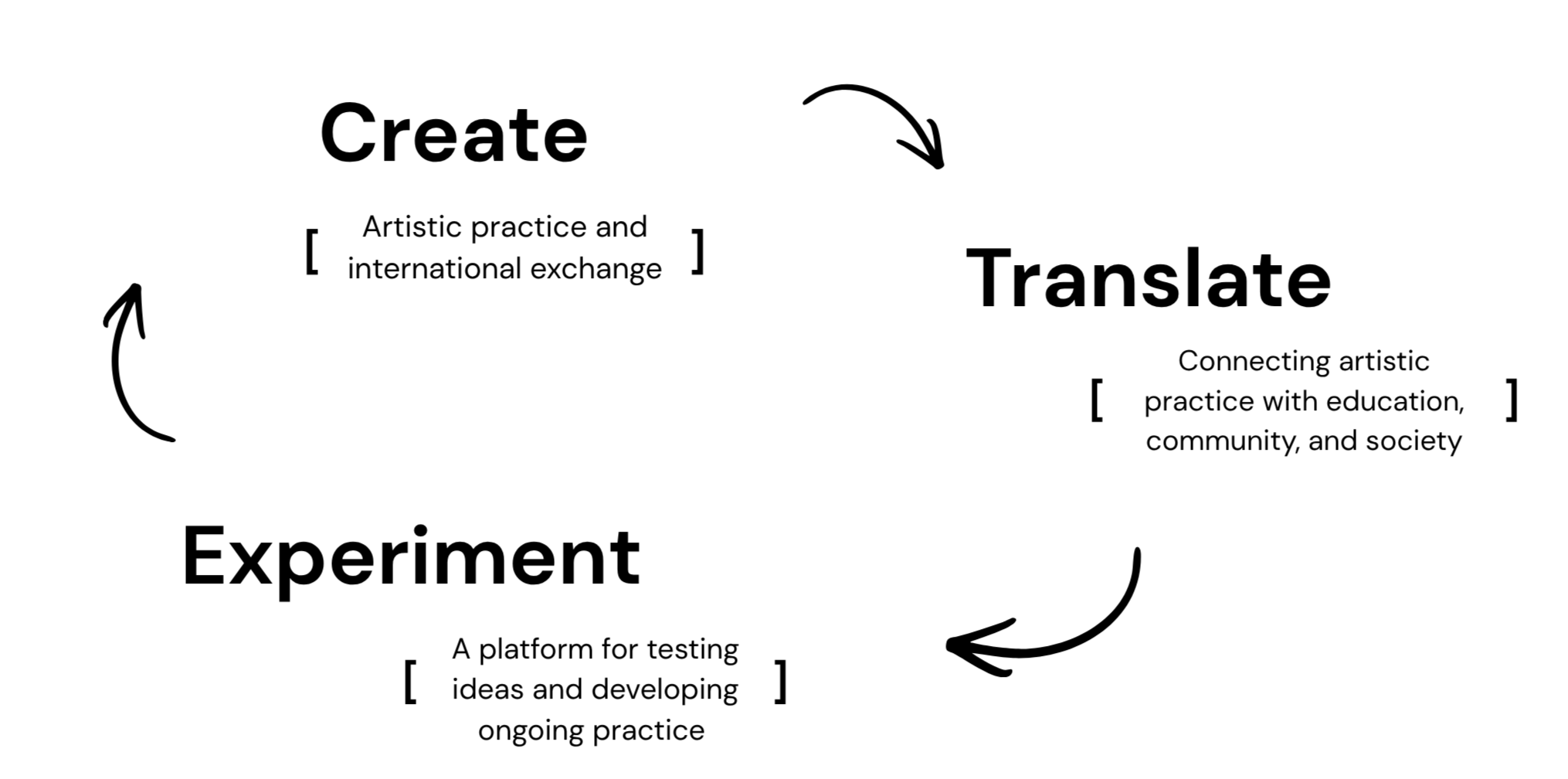
Rather than operating as a linear programme, it functions as an interconnected system where each component informs and supports the others.
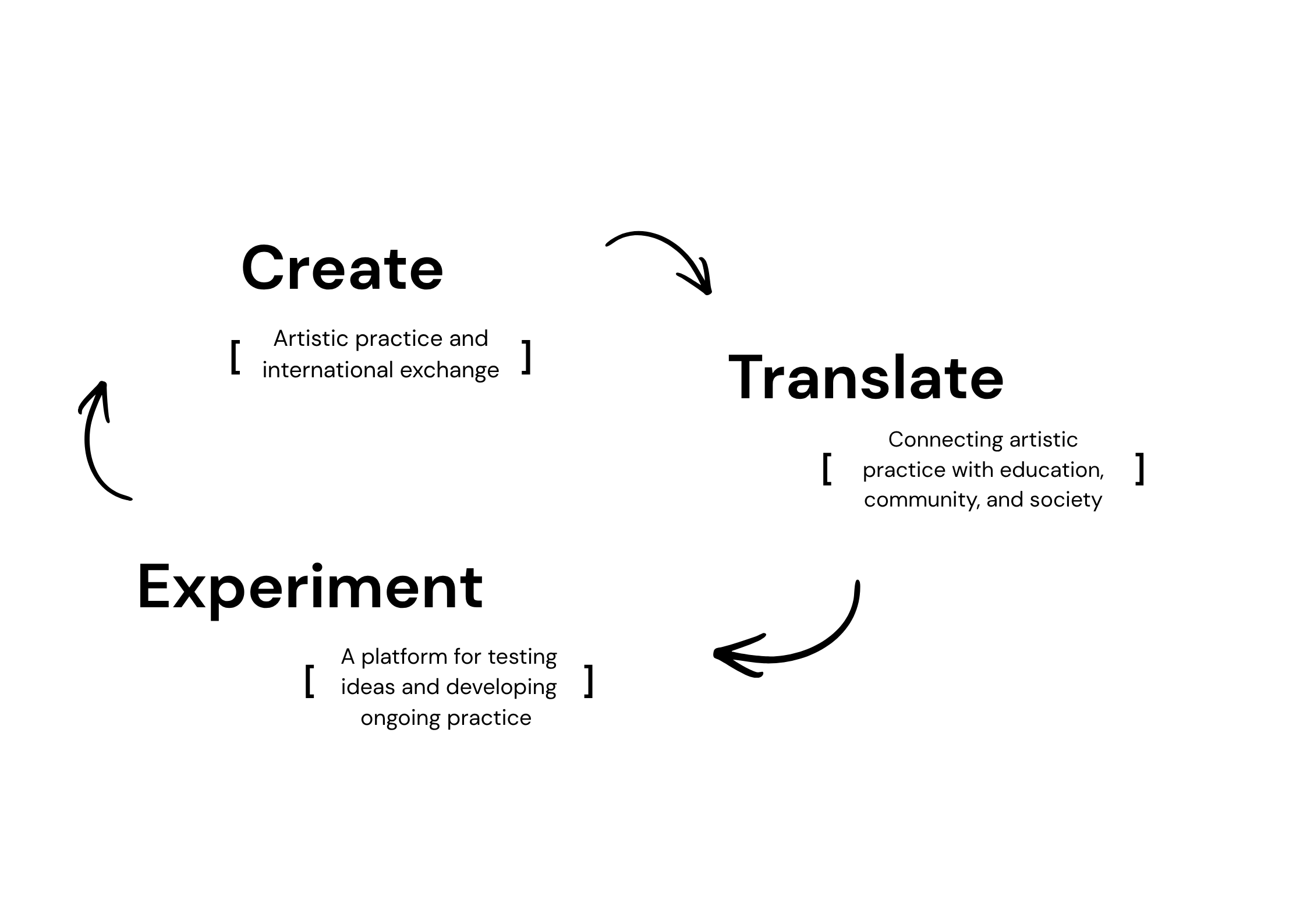
This reflects the SUP Model in practice:
Create — SUP
Translate — SUA (Taiwan)
Experiment — SUP LAB
3. Residency
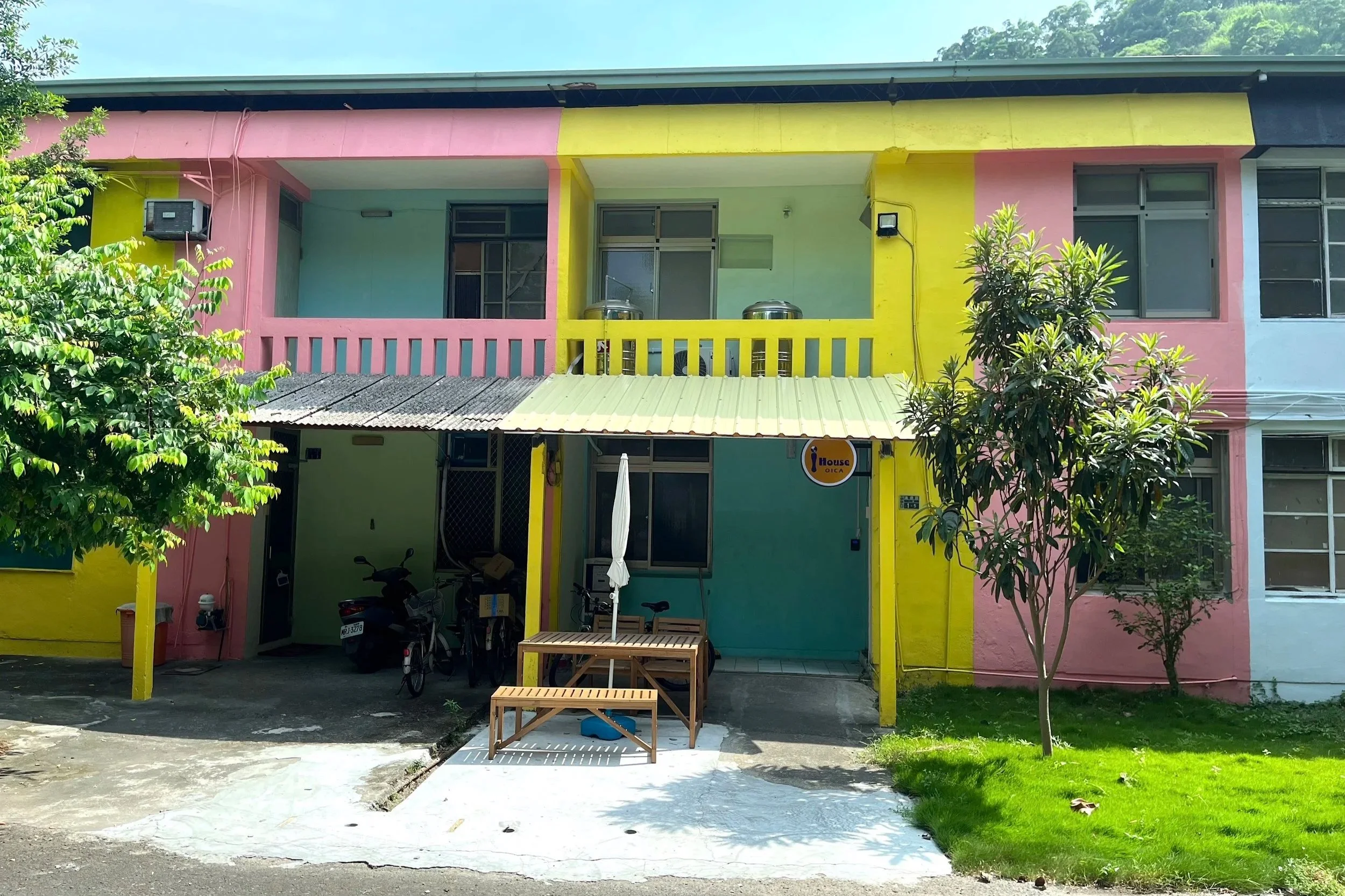
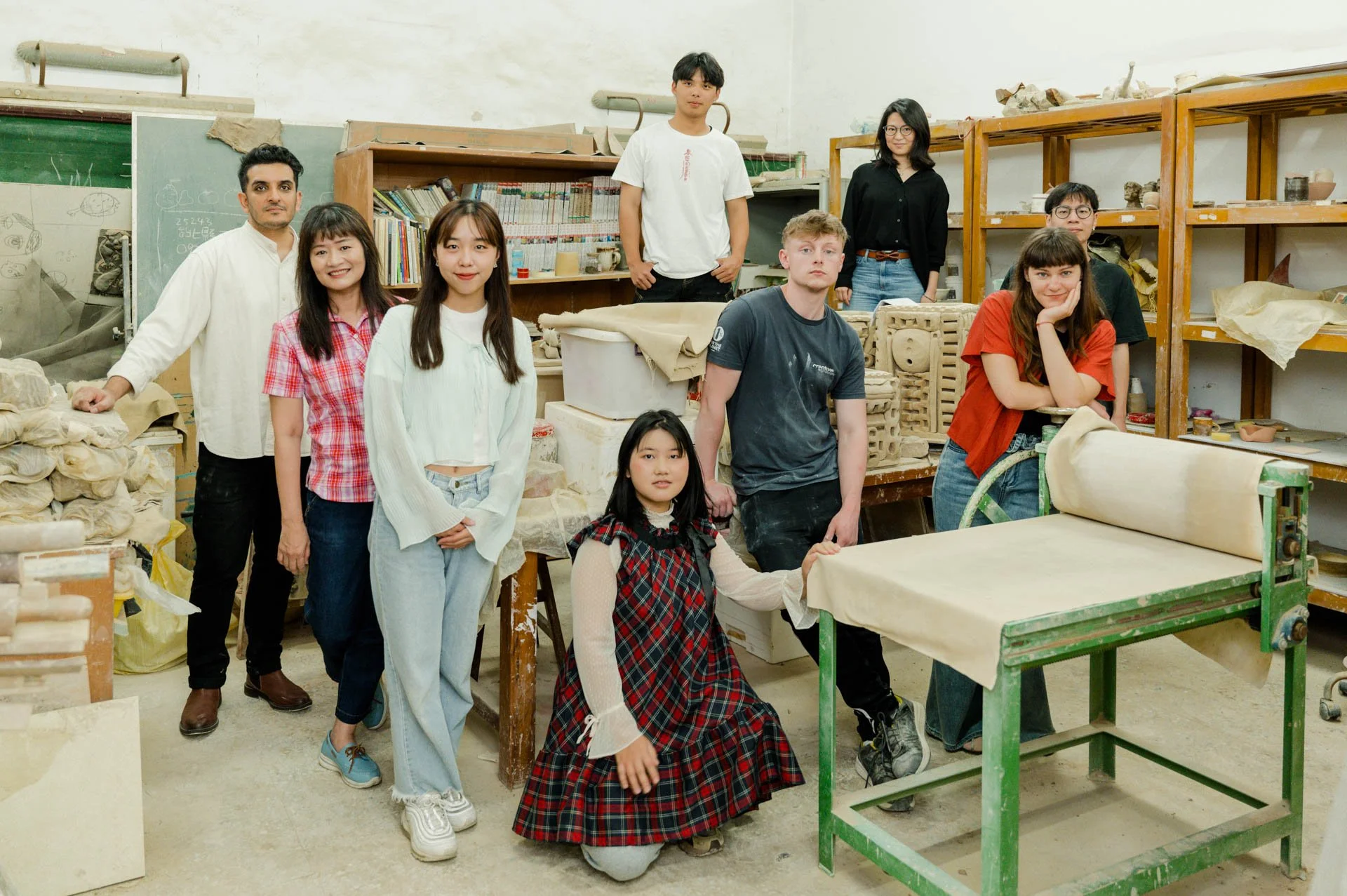
The residency forms the core of the programme, providing artists with the time, space, and support to develop their practice within a new cultural context.
Selected through an international open call, artists participate in a fully supported three-month residency in Taiwan. During this period, they engage with students, faculty, and local communities while developing new work.
The residency is co-developed by SUP, NCUE, and participating artists, ensuring responsiveness to both artistic and educational contexts.
Pre-residency preparation plays a key role, with SUP working closely with artists to develop proposals, workshop structures, and research directions prior to arrival.
4. Workshops & Talks
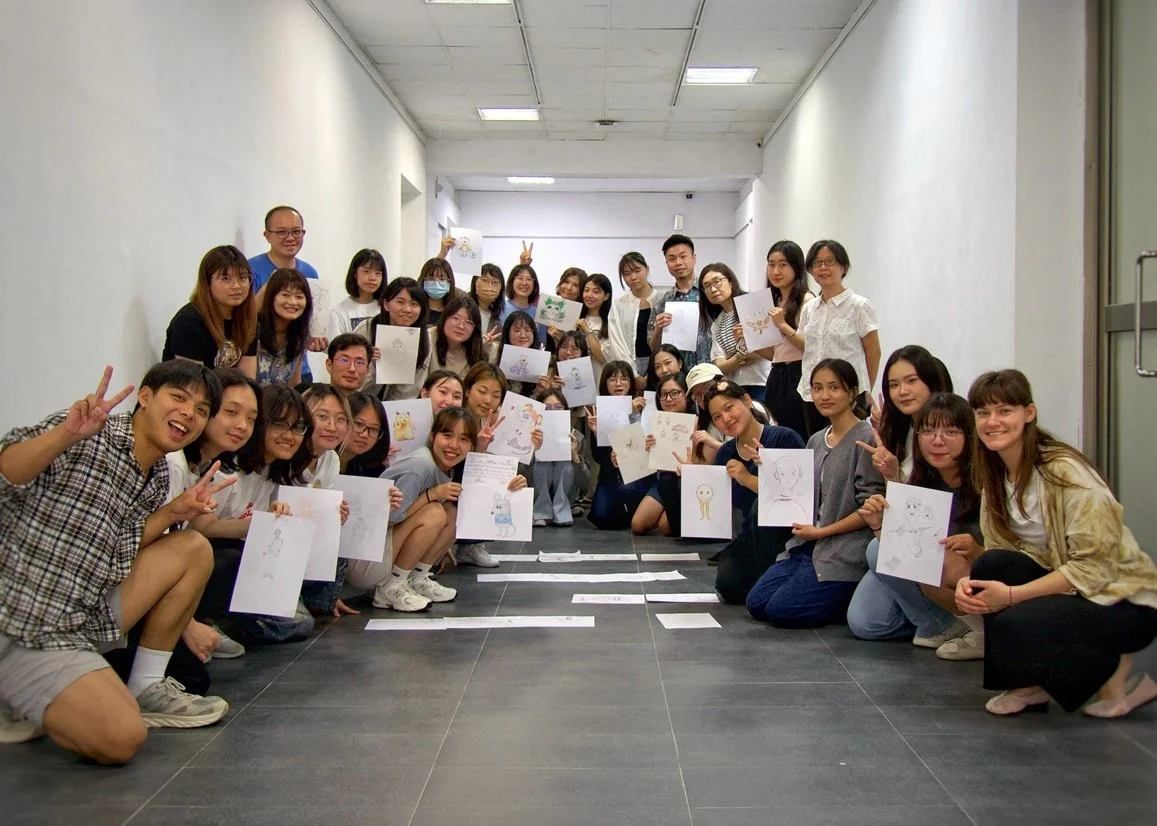
Workshops form a central component of the programme, connecting artistic practice directly with education.
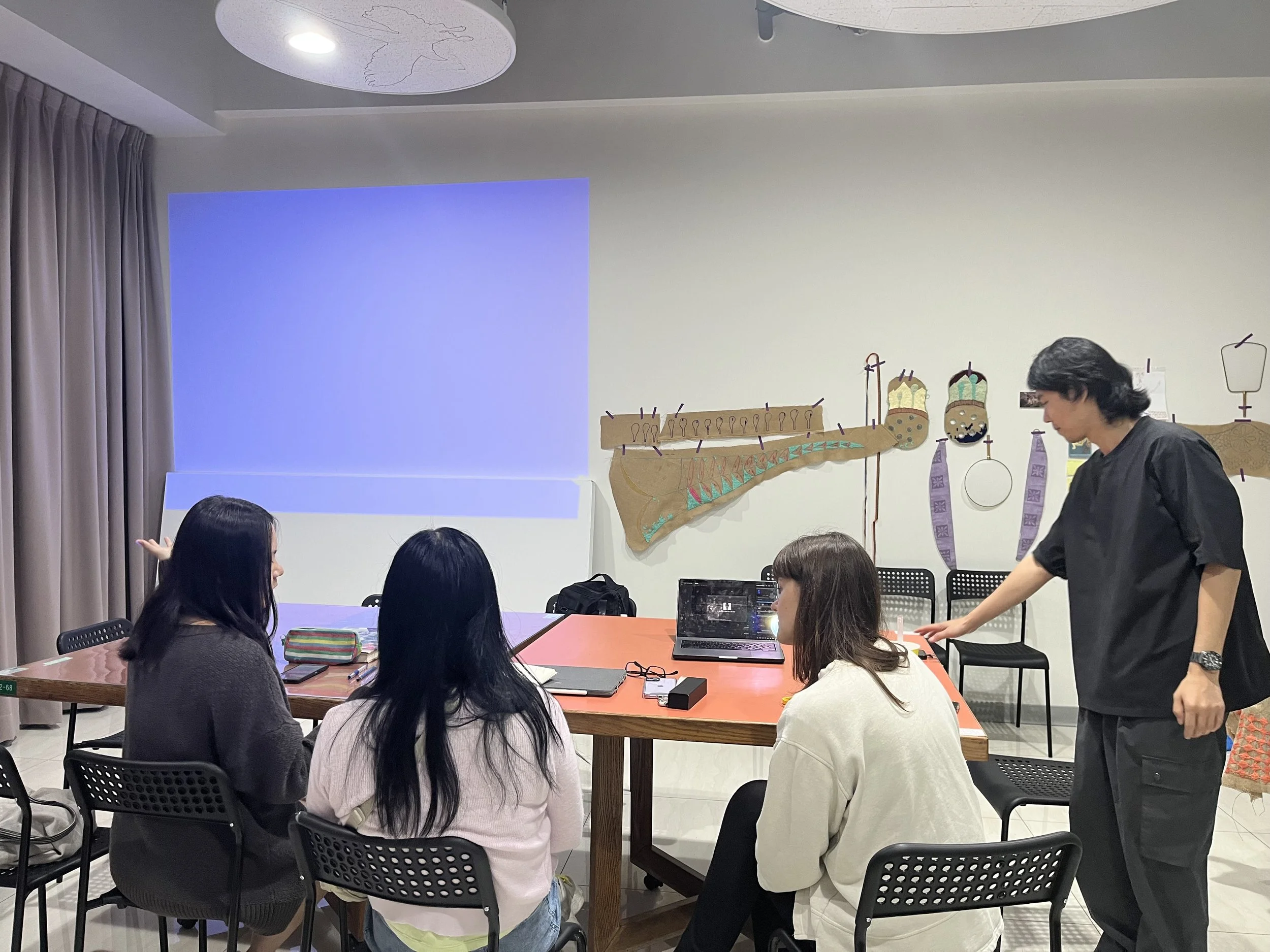
Resident artists deliver regular workshops, working closely with students through process-based learning. These sessions are not fixed teaching modules, but evolving frameworks shaped by both artistic practice and student engagement.
SUP collaborates with artists in advance to develop initial workshop structures, which are refined with NCUE to align with the curriculum.
Throughout the residency, ongoing dialogue between SUP, NCUE, and artists allows workshops to remain adaptive, maintaining both pedagogical relevance and creative openness.
In parallel, artists deliver talks sharing their methodologies, research approaches, and experiences working across cultural contexts.
Together, these sessions position teaching as an extension of artistic practice, where learning emerges through dialogue, experimentation, and exchange.
Visual Documentation team led by Digital and New Media Art Lecturer Hao Ning Chang. Produced by Zhi Xian Lin and Xin Yan Chen. Music by Amit Sharma.
5. Community Engagement
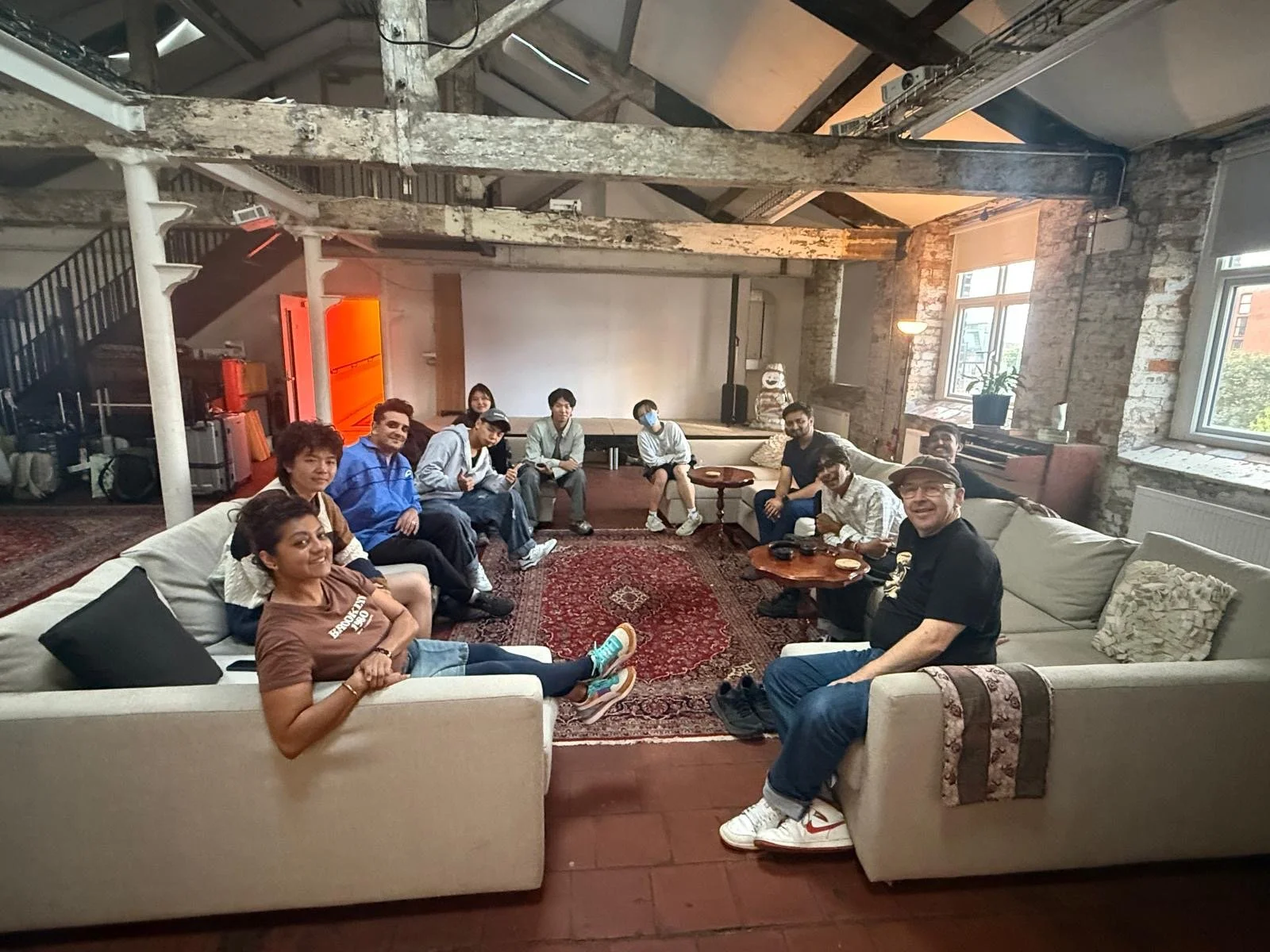
Community engagement extends the programme beyond the university into wider social contexts.
SUP works with artists to identify opportunities for meaningful exchange within local communities, creating spaces for dialogue between artists and local contexts.
Activities are developed through both academic and local networks, including schools, cultural organisations, artist studios, and independent spaces.
These interactions foster relationships that extend beyond short-term engagement, connecting artists, students, and the wider arts and education community.
6. Cultural Exploration
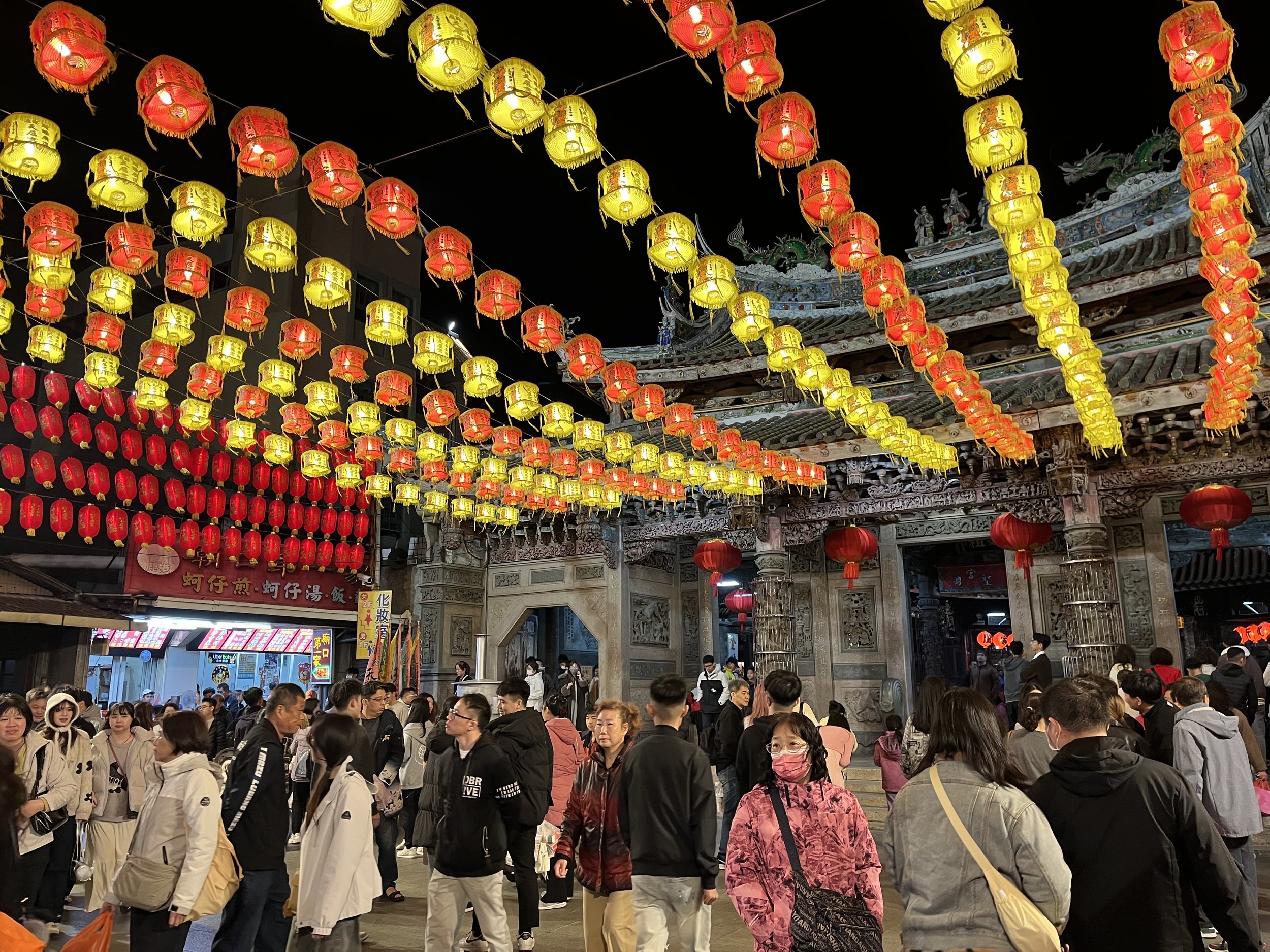
Cultural exploration forms part of the research process, supporting artists in engaging with local histories, environments, and cultural practices.
Through site visits, informal exchange, and contextual research, artists develop a deeper understanding of the local context, which informs both their work and their approach to engagement.
This process supports a reciprocal relationship between artistic practice and cultural context.
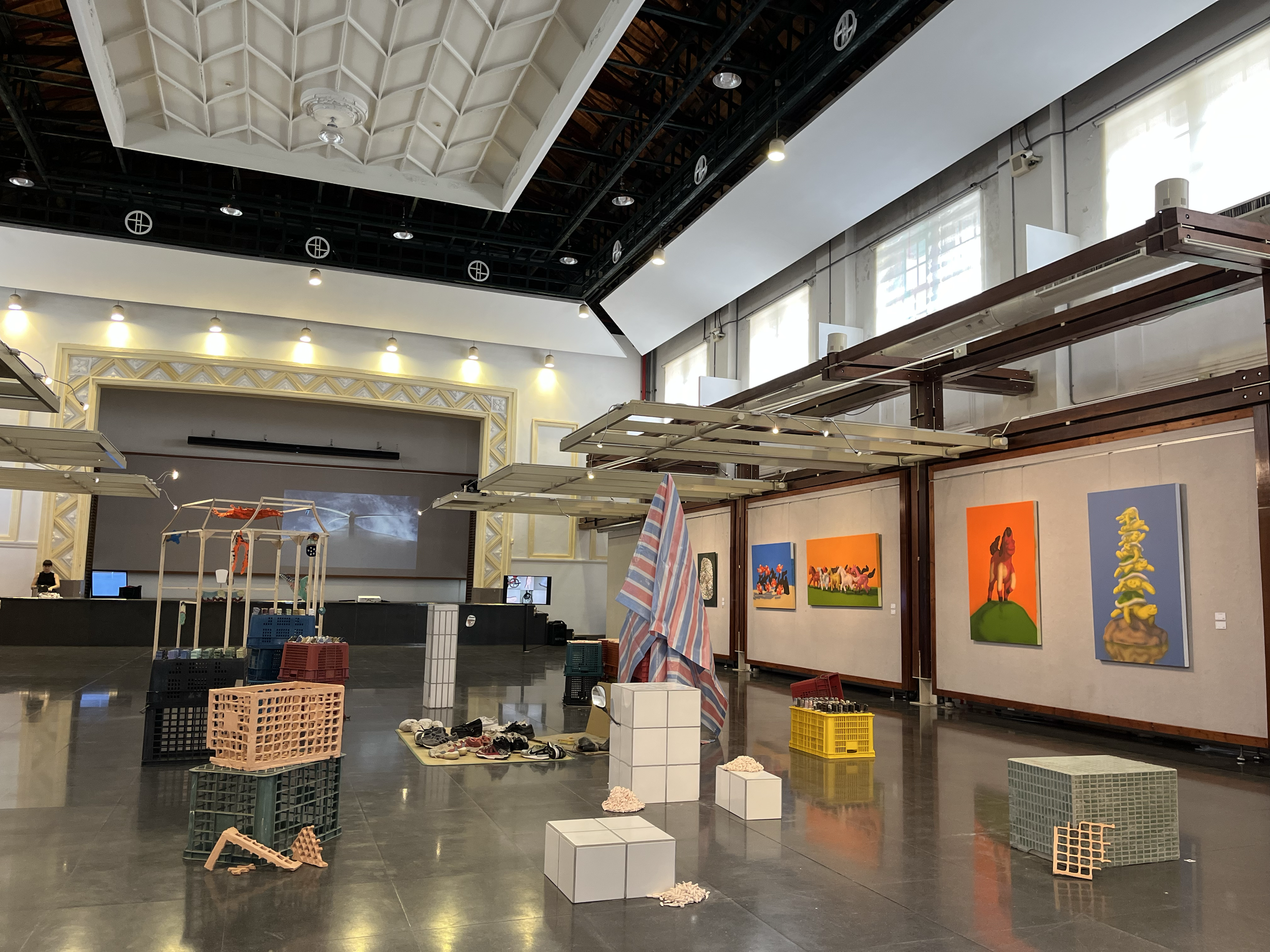
7. Exhibitions
Exhibitions serve as a point of convergence where artistic production, research, and engagement become publicly visible.
Rather than functioning solely as final outcomes, exhibitions operate as part of the wider process — presenting work developed through the residency while reflecting ongoing dialogue between artists, students, and context.
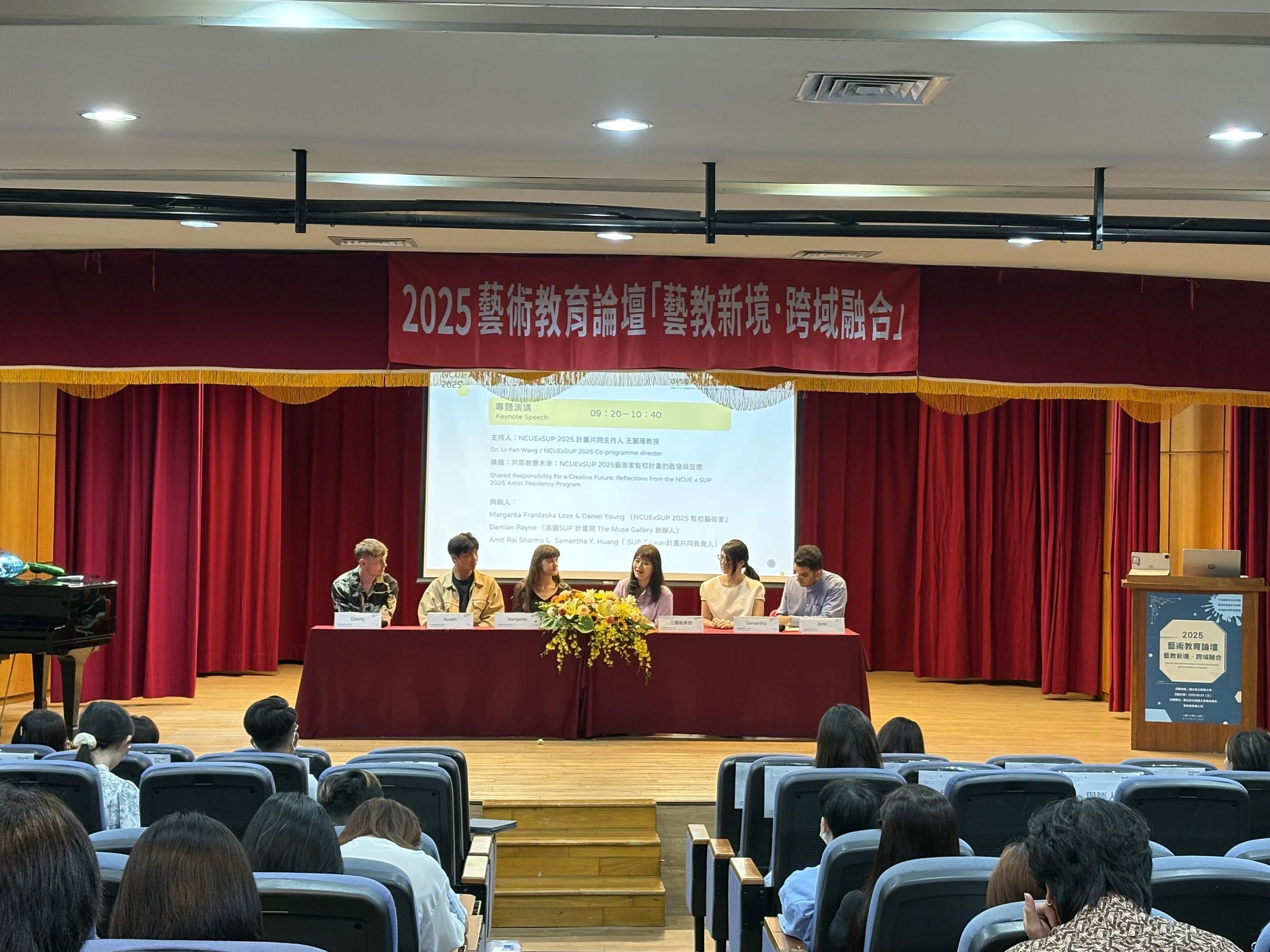
8.Public & Academic Engagement
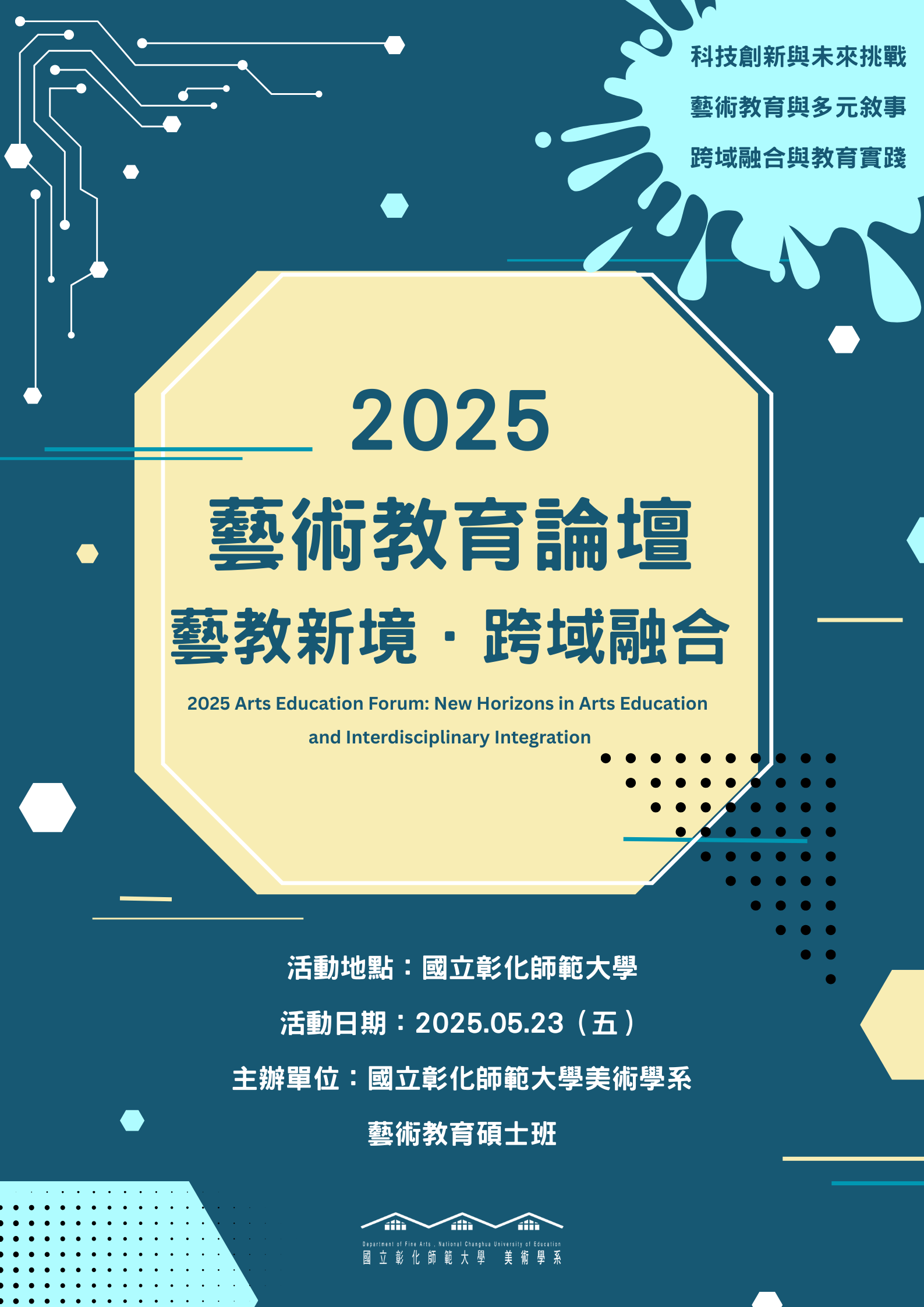
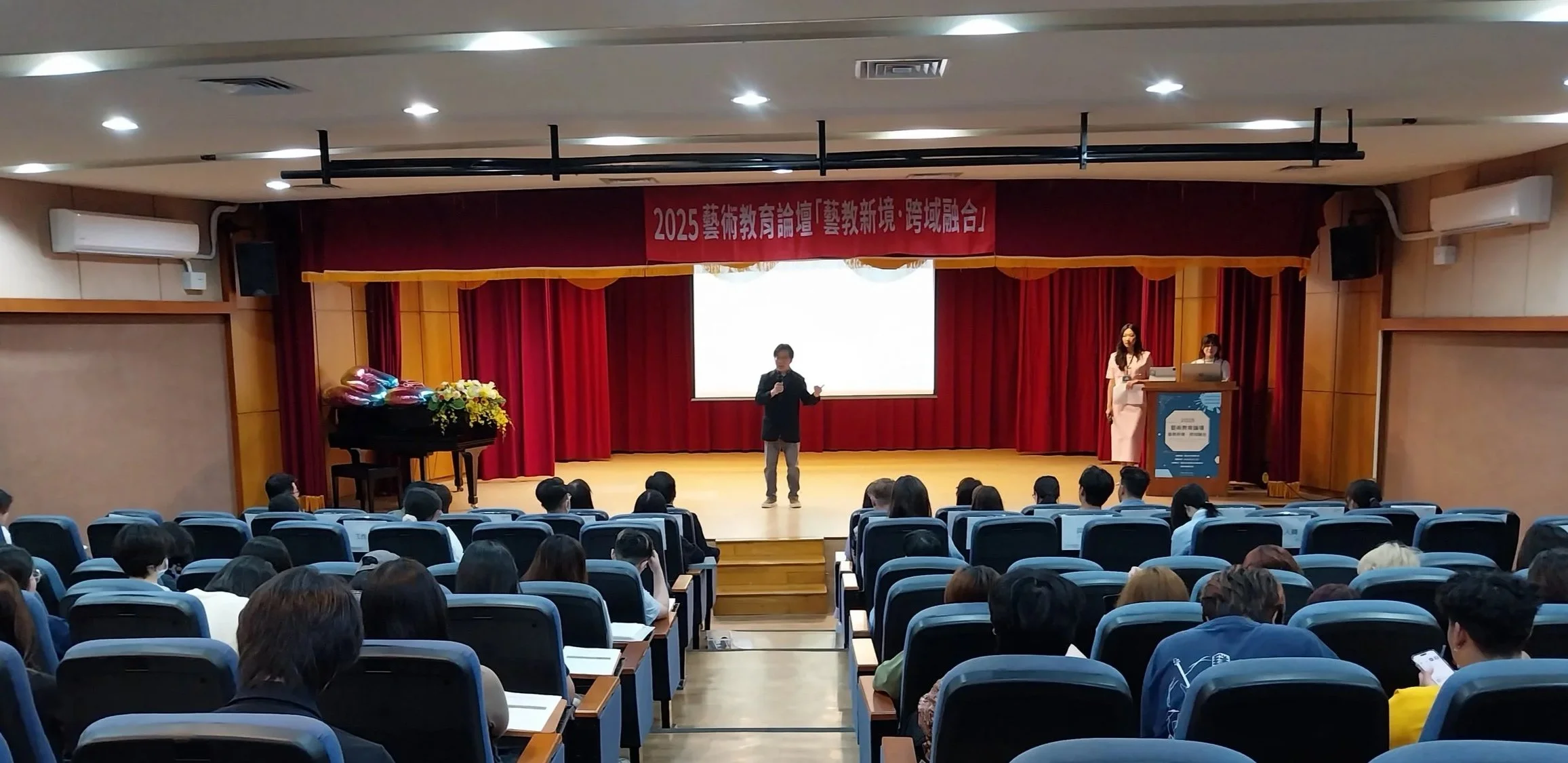
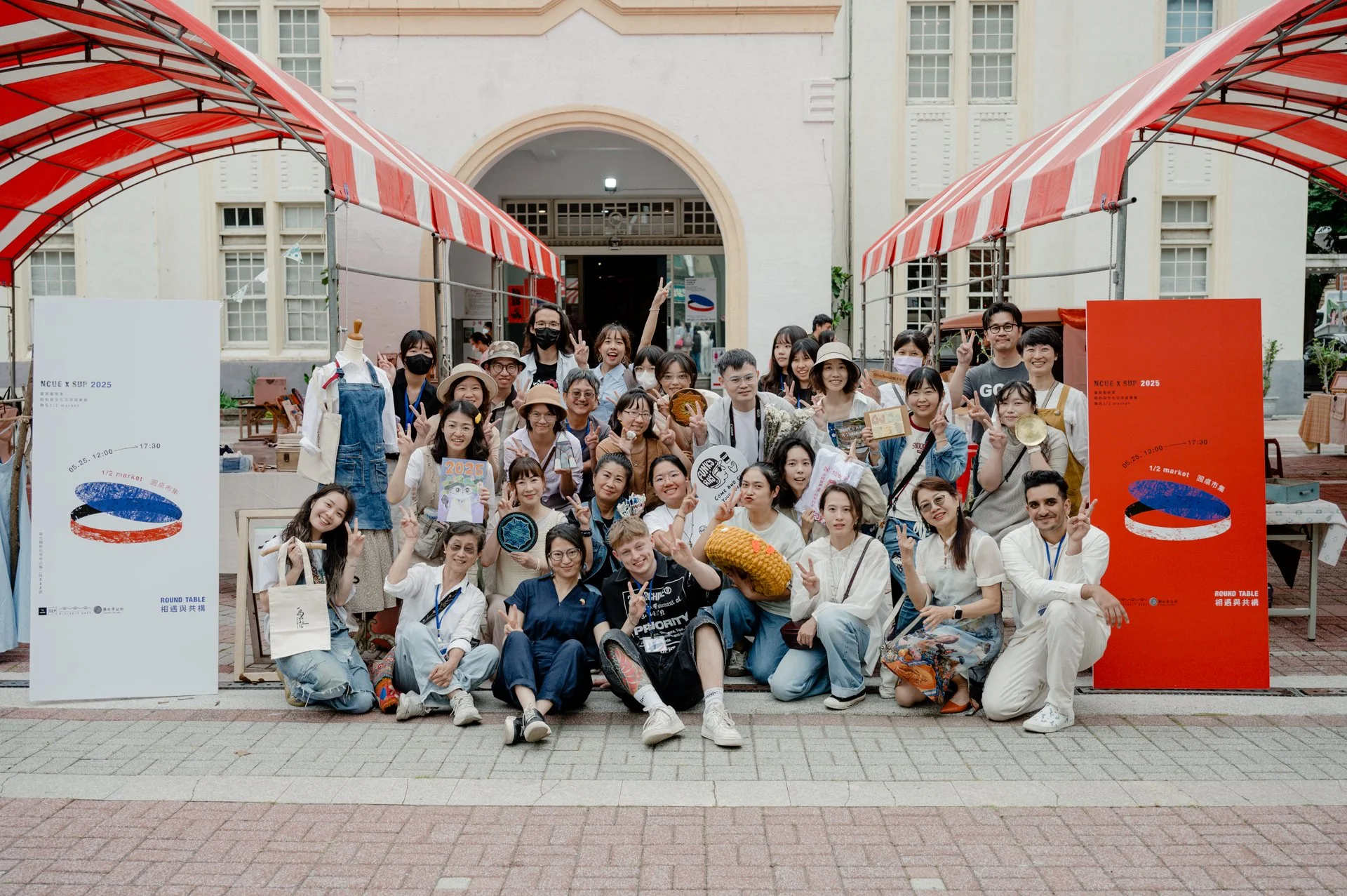
As part of the programme, SUP and participating artists contributed to the NCUE Arts Education symposium.
This positioned the residency as a live case study within academic discourse, exploring how artistic practice can operate within educational systems while engaging broader social contexts.
The symposium brought together artists, educators, and programme leaders to reflect on cross-disciplinary collaboration, cultural exchange, and the future of arts education.
This extends the programme beyond practice into discourse, positioning SUP as both a programme developer and a contributor to knowledge production.


9.Programme Impact
The NCUE × SUP 2025 programme demonstrates how a residency model can operate as a connected system.
Rather than functioning as a standalone project, it establishes a framework for long-term exchange, collaboration, and knowledge development.
Through the integration of artistic practice, education, and public engagement, the programme expands the role of art within both educational and social contexts.
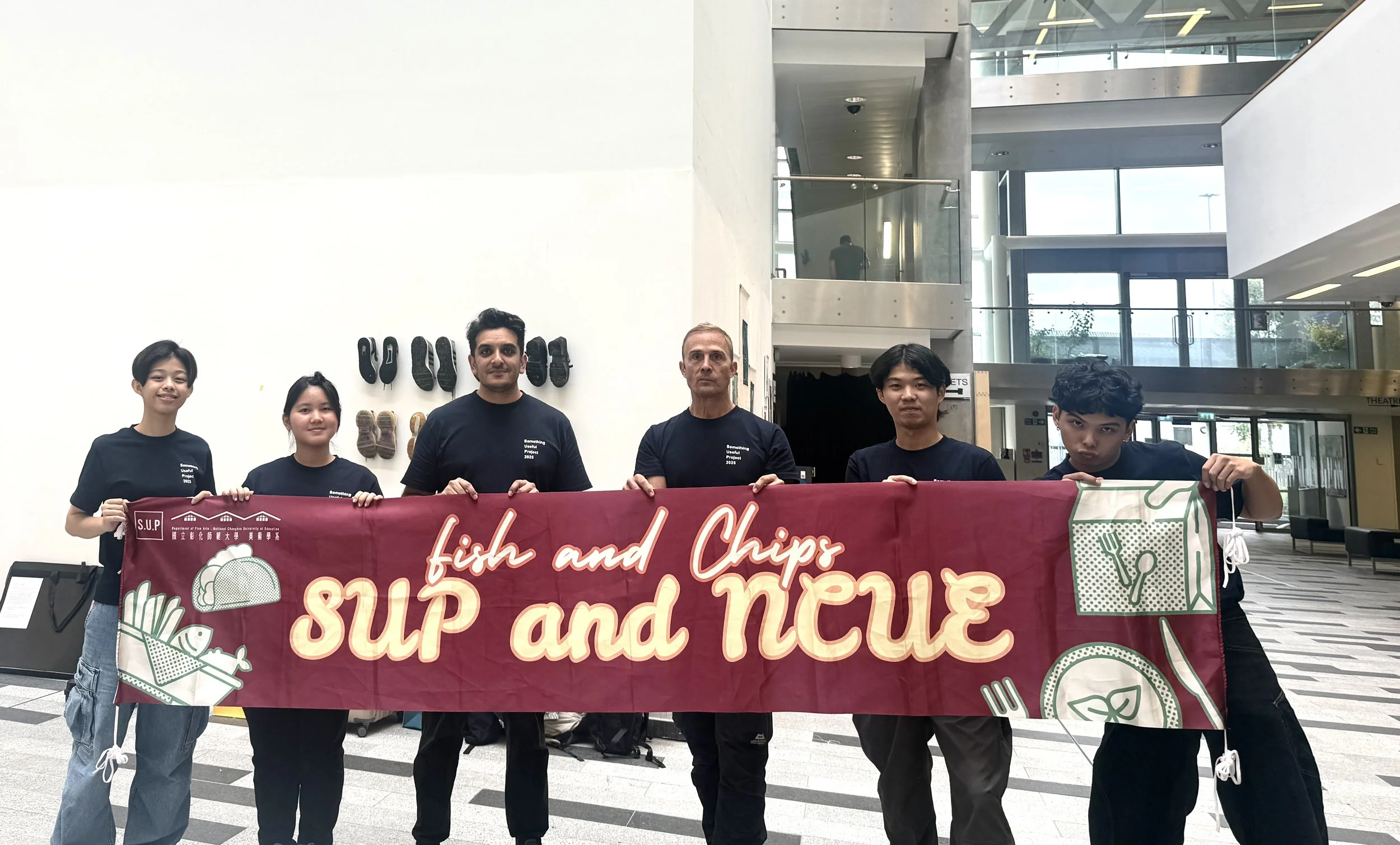
10. Programme Team and Partners
SUP (Something Useful Project)
National Changhua University of Education (NCUE)
Further collaborators, artists, and partners will be listed as documentation is completed.
11. Programme Metrics
The programme generated measurable outcomes across artistic production, education, and public engagement.
⮕ Duration
3-month residency programme
⮕ Artists
International artists selected through open call
⮕ Workshops & Teaching
10-12 workshops per artist
⮕ Student Engagement
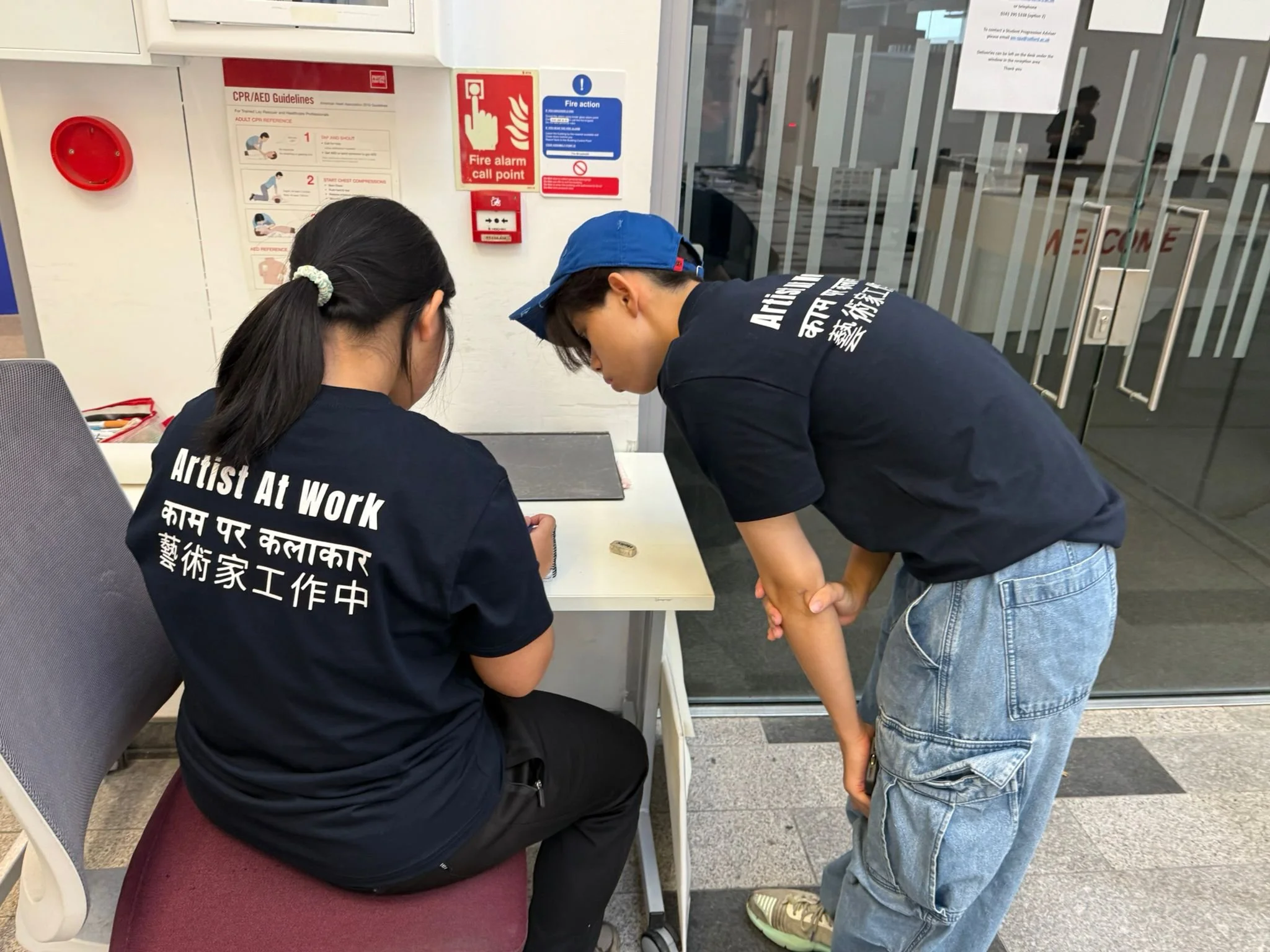
Ongoing interaction with university students across the residency period
⮕ Public Programme
Two Exhibitions, three talks, and five plus community-based activities
⮕ Institutional Engagement
Collaboration with NCUE faculty and participation in academic symposium
⮕ Geographic Scope
UK — Taiwan international exchange
These metrics reflect not only activity, but the scale and depth of engagement across different contexts.
12. Voices & Reflections
Reflections from participants highlight how the programme operates as a space for exchange, learning, and transformation.
Artist Perspective
Student Perspective
Institution Perspective
These reflections demonstrate how artistic practice operates as a method within real contexts.
13. SUP Model in Practice
This programme demonstrates how the SUP Model operates as an integrated system:
Create
Artists develop new work through residency, research, and practice
Translate
Workshops, community engagement, and public programmes connect practice with education and society
Experiment
Ongoing insights, relationships, and formats extend beyond the programme
System Mapping
System
Create → Translate → Experiment
Phases
Research & Development → Engagement & Exchange → Production & Presentation
Levels
Level 1 — Residency
Level 2 — Engagement
Level 3 — Exchange
What this demonstrates
⮕ Artistic practice can operate across multiple contexts simultaneously
⮕ Education and public engagement can be embedded within artistic processes
⮕ Programmes can generate ongoing relationships rather than fixed outcomes
⮕ Knowledge and methods can accumulate and inform future development