
Deeqa Ismail
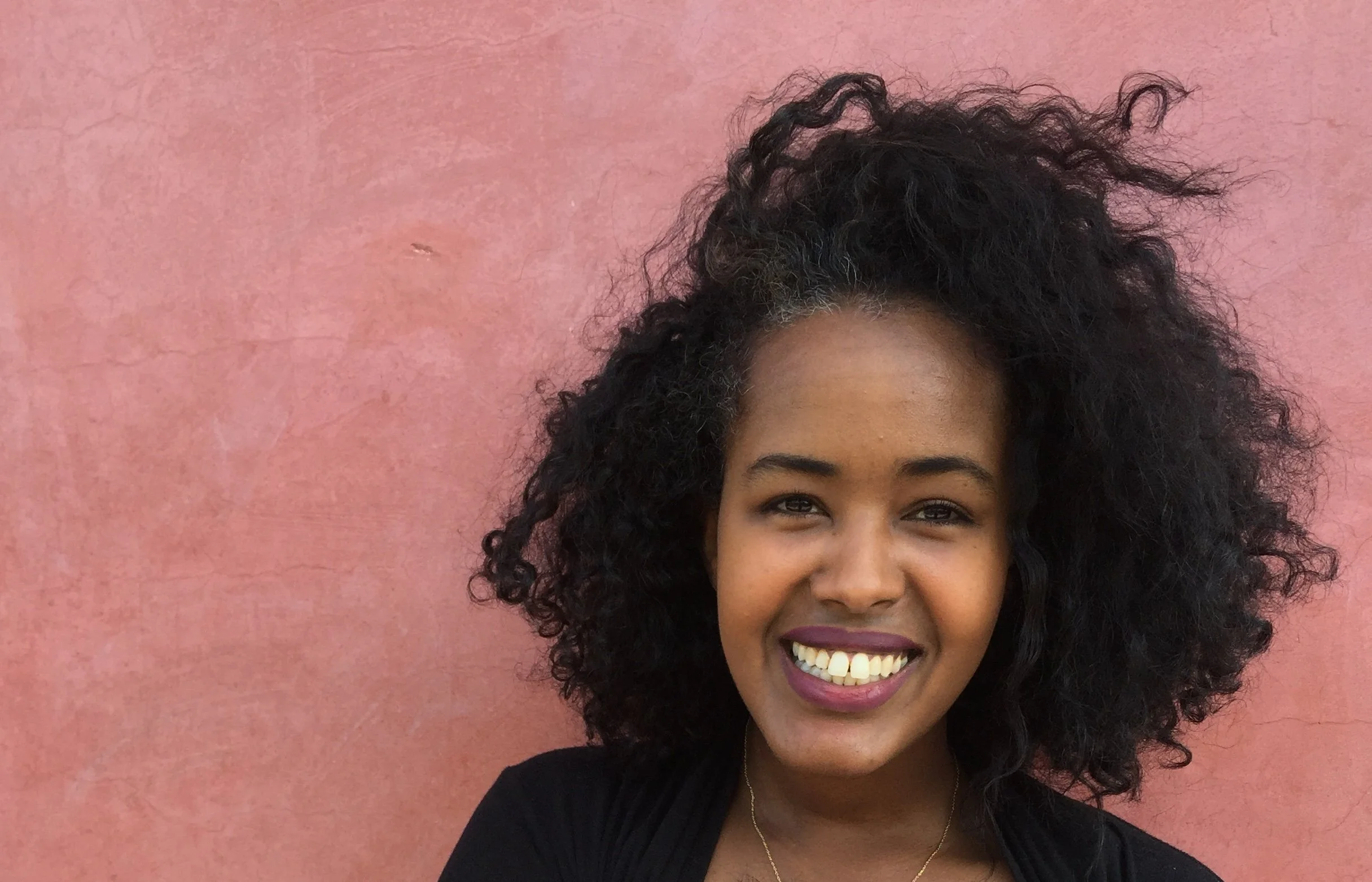
Deeqa Ismail (b. 1988, Hargeisa, Somalia) is a Somali-British artist based in Stockport, Manchester.
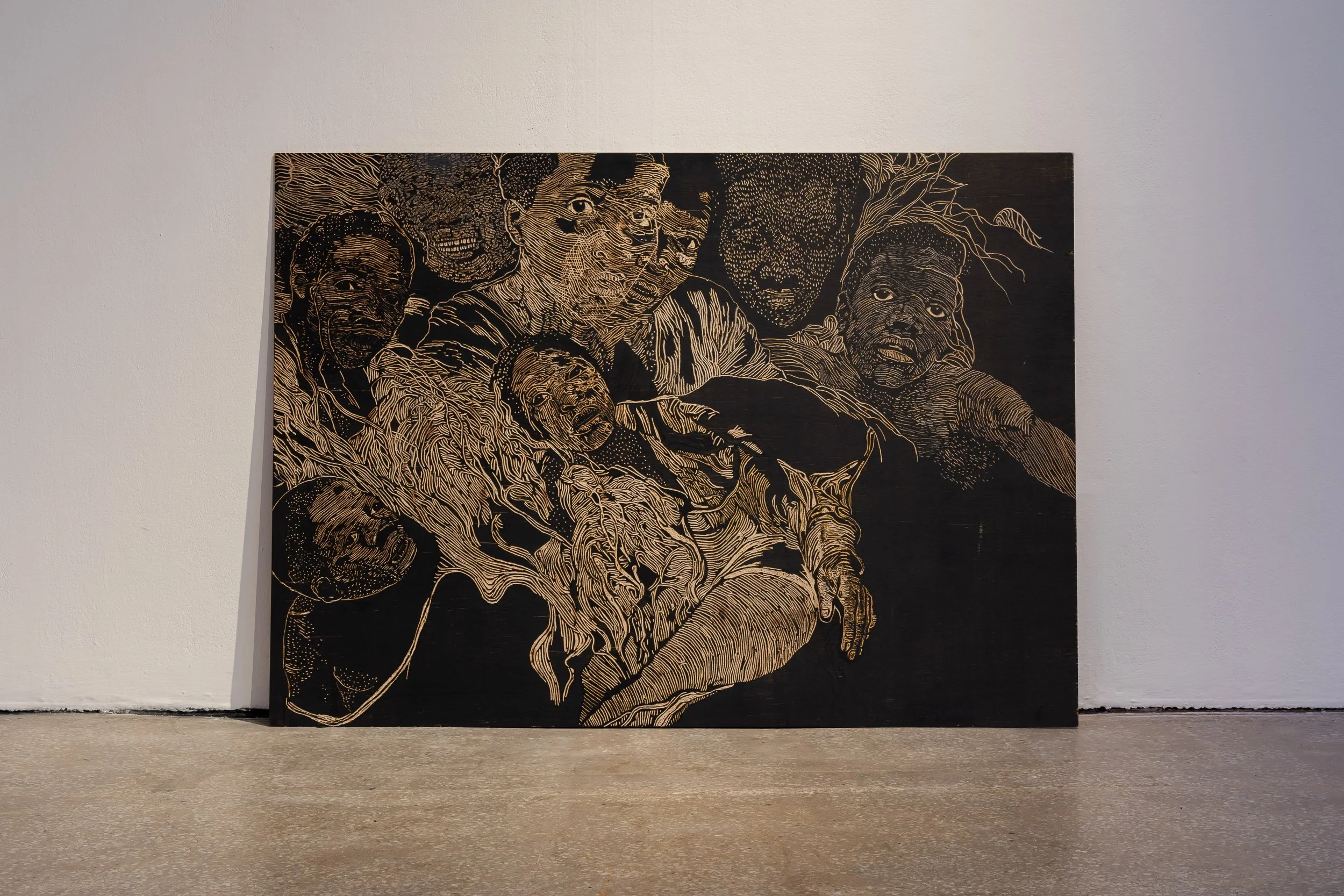
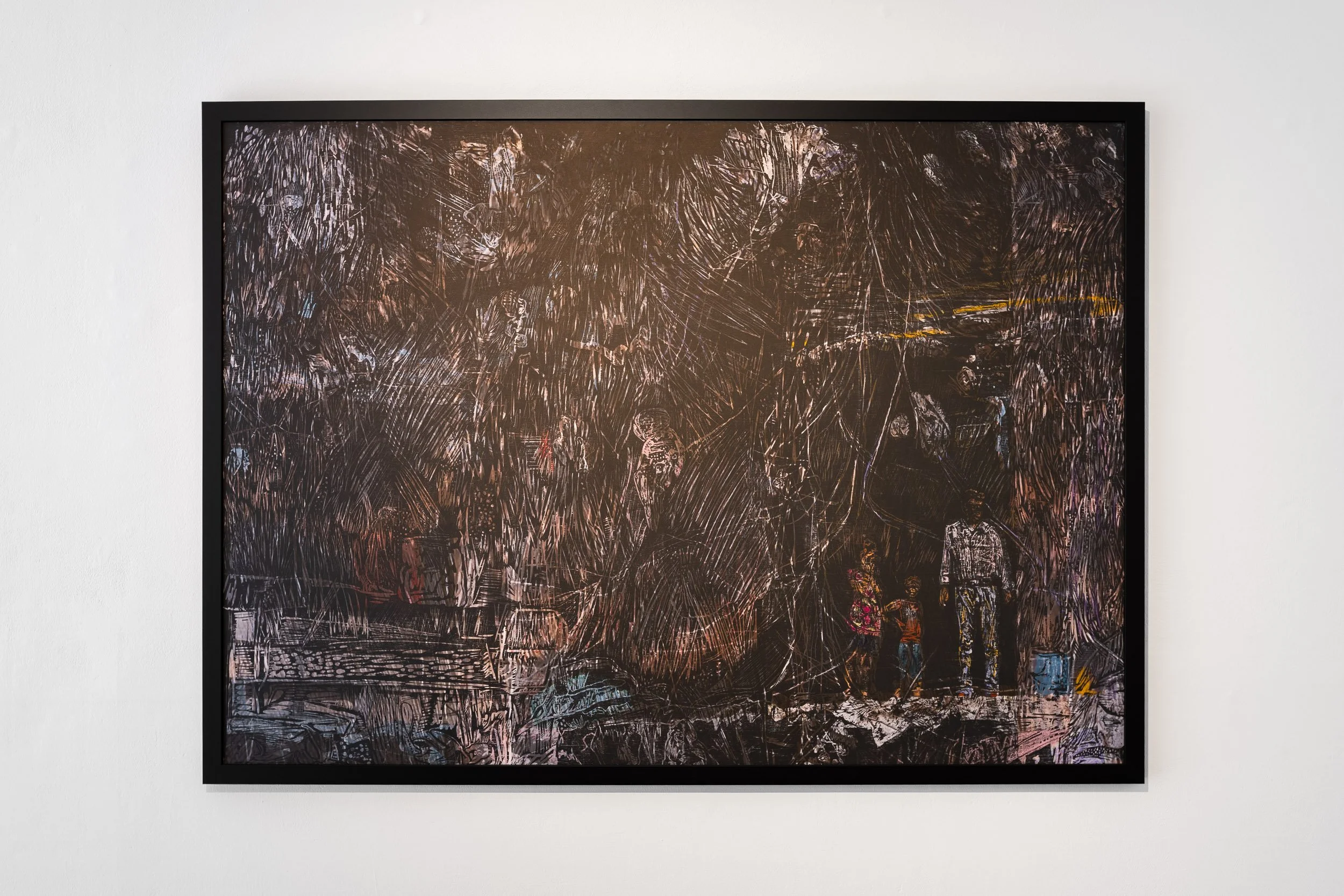
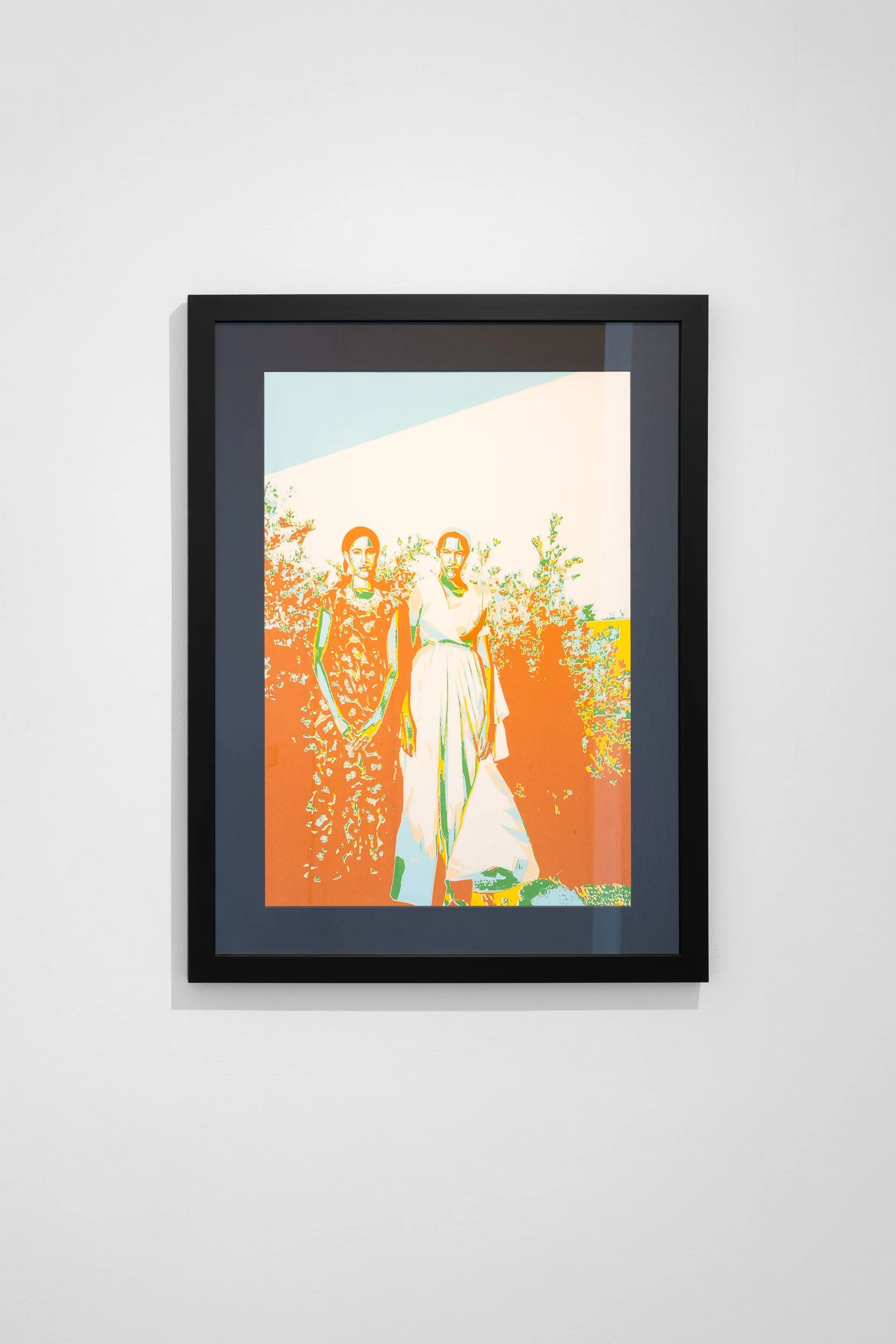
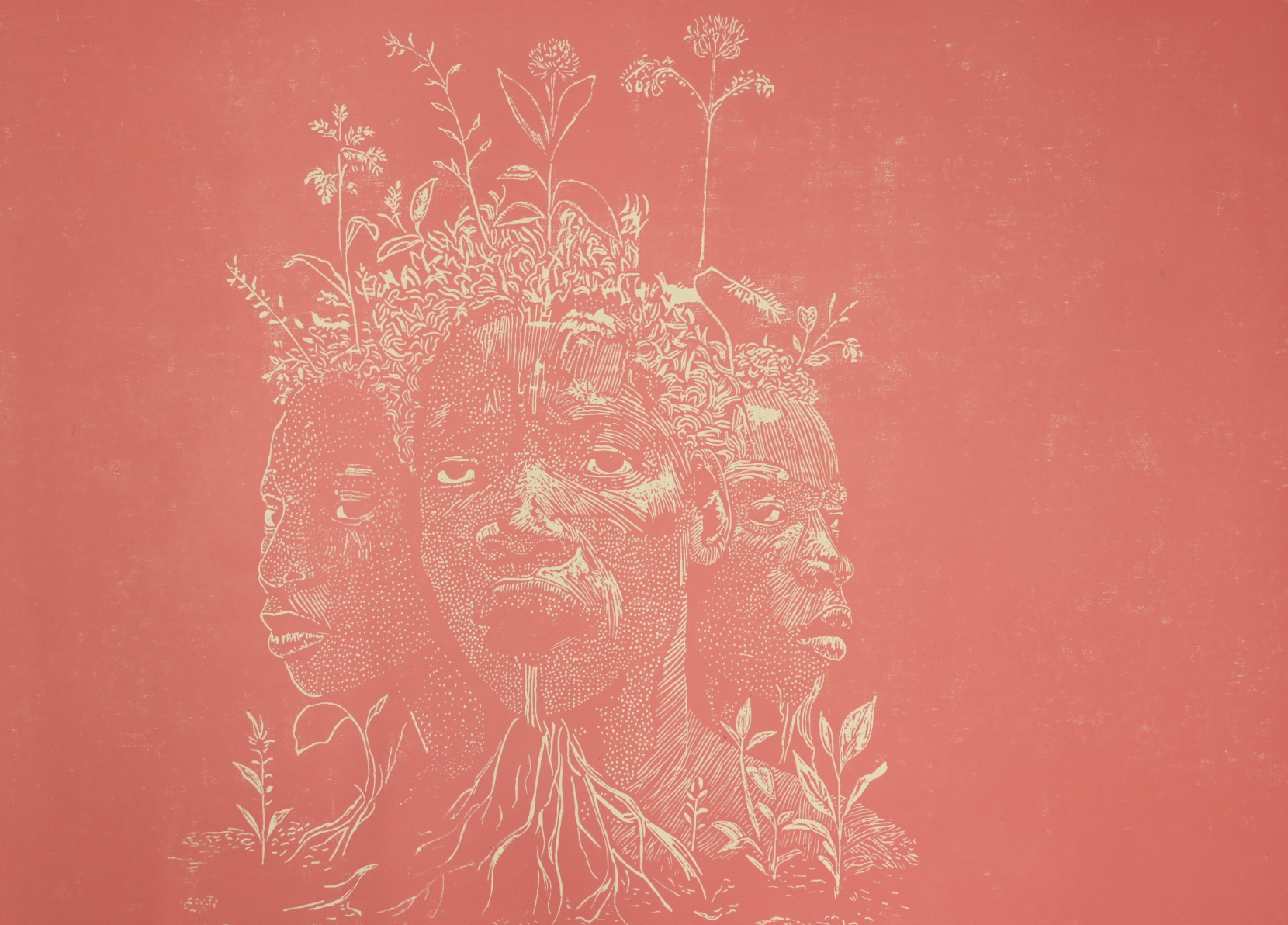
She works with printmaking, sound, video, and installations, often incorporating analogue processes and Somali sonic archives. Her work explores both shared and personal experiences of hybrid identity and the in-between spaces. Through film, prints, sculpture, and sound, she creates spaces for reflection and imagination. Her practice reveals how hidden systems of colonialism connect with normalised crises, often drawing inspiration from nomadic traditions throughout her work.
Ismail’s engagement with time, ghosts and aliens informs her work and installations, which function as openings into reconstructed worlds. Recent exhibitions include How to be in the Future, Salon for a Speculative Future (SFASF), Chisenhale Art Place, London; checked out at Wilko, Sheffield; Numbi Fest at Whitechapel Gallery, London; Future Practice Research Symposium, Manchester Metropolitan University; Srishti at Hot Bed Press, Manchester; and The Mirror at Night, curated by Peter Suchin, at Cross Lane Projects, London.
-
Deeqa Ismail(生於1988年,索馬利亞 Hargeisa)是一位現居英國 Stockport、Manchester 的 Somali-British 藝術家。
她的創作涵蓋版畫、聲音、錄像與裝置,並經常結合類比媒材與 Somali 聲音檔案。其作品探討混合身份(hybrid identity)中的共享經驗與個人經驗,以及存在於其間的模糊地帶(in-between spaces)。透過影像、版畫、雕塑與聲音,她建構出能夠引發反思與想像的空間。其創作實踐揭示了隱藏的殖民系統如何與被日常化的危機彼此連結,並經常從遊牧文化傳統中汲取靈感。
Ismail 對時間、幽靈(ghosts)與外星存在(aliens)的關注,也深刻影響其作品與裝置創作;她的作品常作為通往重構世界的入口與開口。近期展覽包括 How to be in the Future, Salon for a Speculative Future (SFASF), Chisenhale Art Place, London;checked out at Wilko, Sheffield;Numbi Fest at Whitechapel Gallery, London;Future Practice Research Symposium, Manchester Metropolitan University;Srishti at Hot Bed Press, Manchester;以及由 Peter Suchin 策劃、於 Cross Lane Projects, London 展出的 The Mirror at Night。
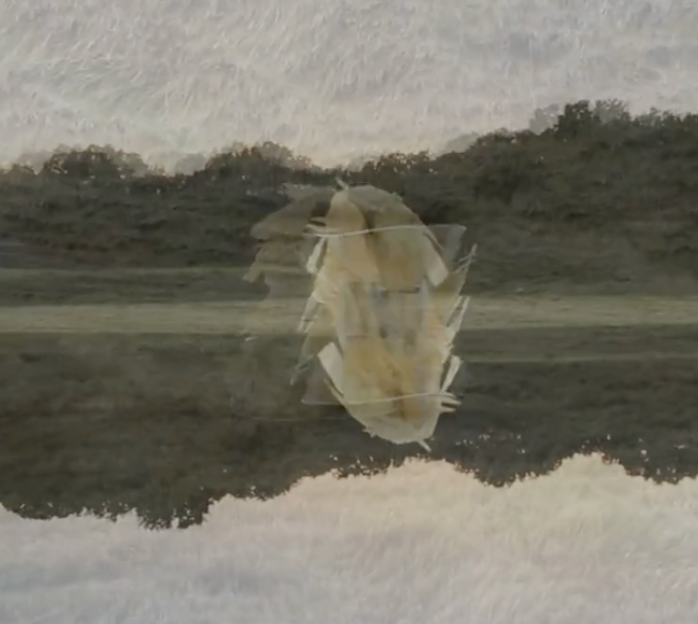
Hijaab Aqal, 2025, Film loop.
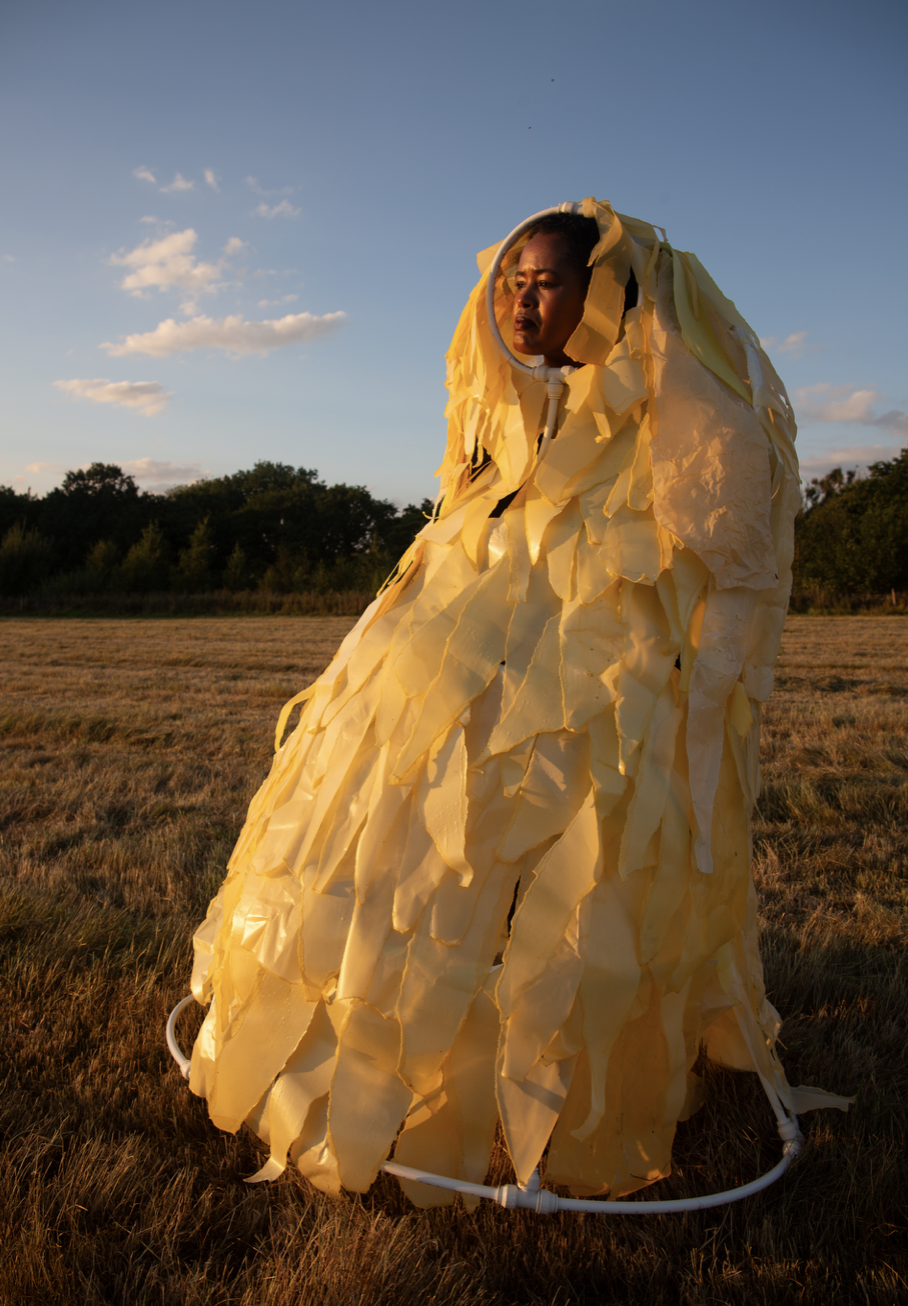
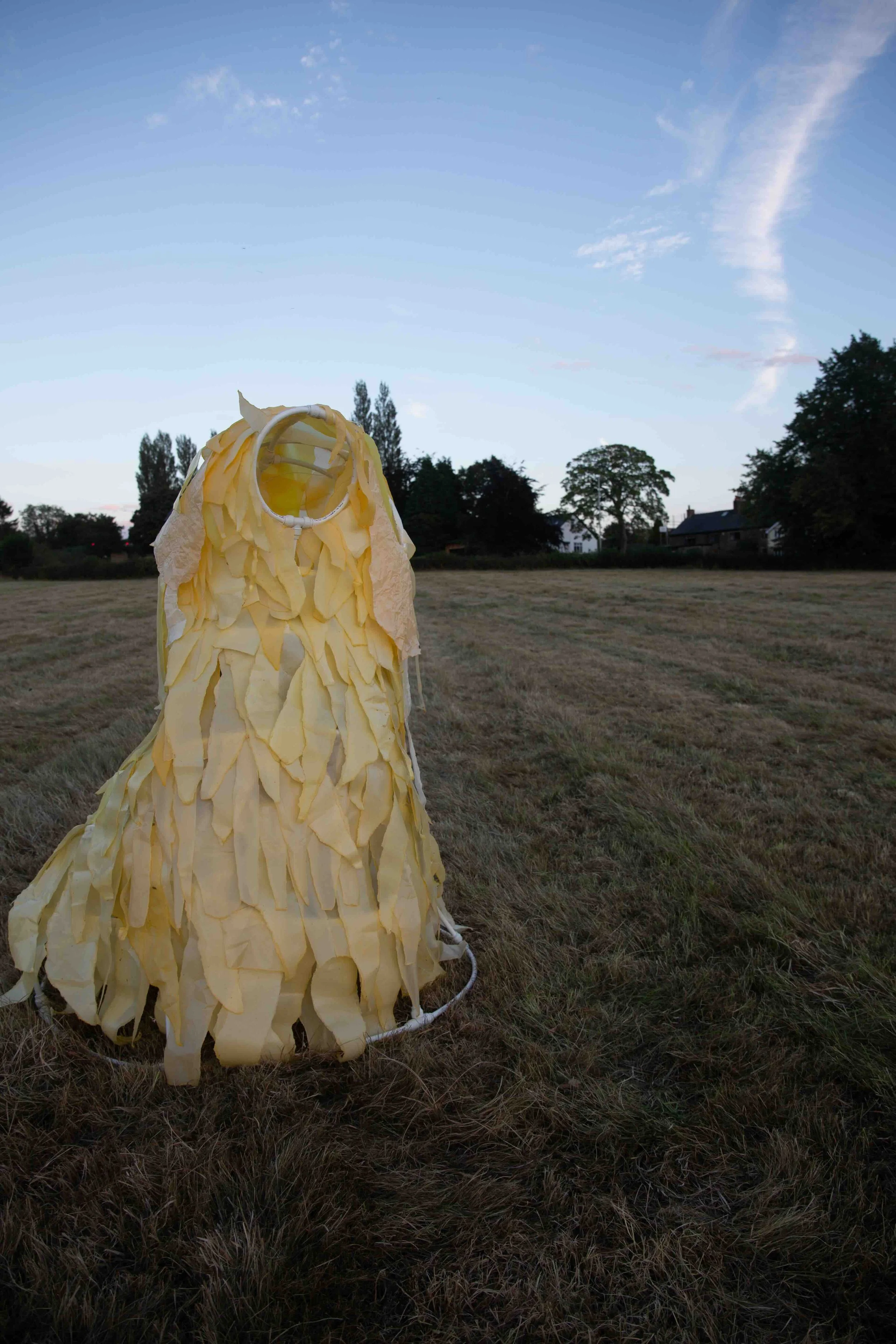
The film Hijaab Aqal presents a performance in which I wear a sculptural structure inspired by the Somali nomadic hut (Aqal). Rather than documenting the act, the looped film becomes the performance itself, returning repeatedly to gestures of covering, building, and unbuilding, creating a transferance between body, object, and image.
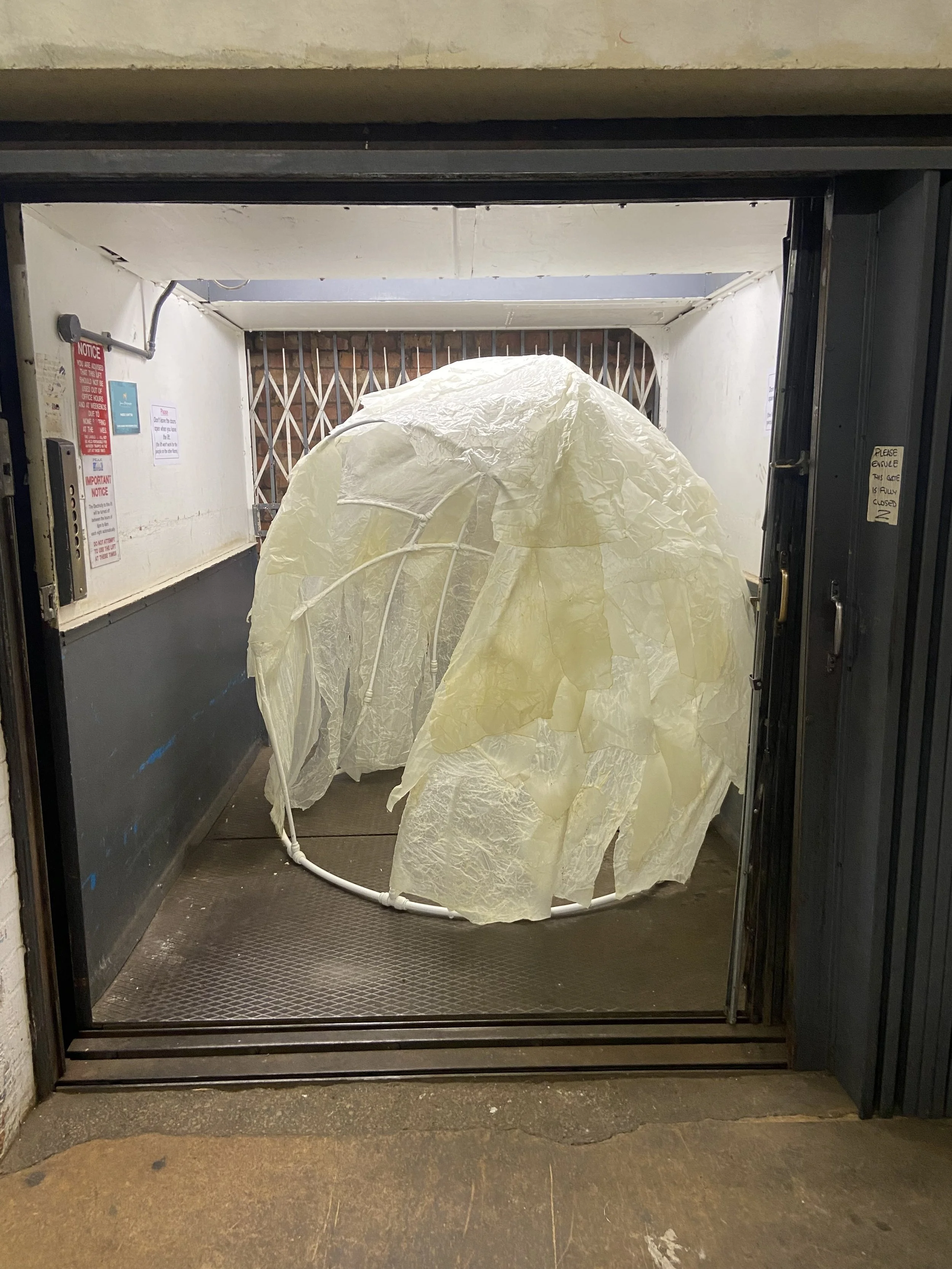
The sculpture in the film is made from sensory materials including wax, rice paper, frankincense and myrrh. These materials were chosen for their sacred connection in Somali culture, in that they operate once burned to open realms into the spiritual world and their ability to hold and release material over time.
It is women who construct the hut, also covering it with cloth or woven mats to create shelter. Those same women also cover their bodies and hair. Those same hands, in time, cover and embalm the bodies of the dead with fabric, incense, with care and memory. I became interested in this repeated gesture: to cover as an act of construction, protection, preserving modesty, grief, and as a ritual. I wanted to explore how these coverings extend to the self and the dead, and after thinking about it, I realised this gesture connects generations of women through time. So I decided to build a hut to wear as a covering, a garment, and a hijab.
-
Description text goes here
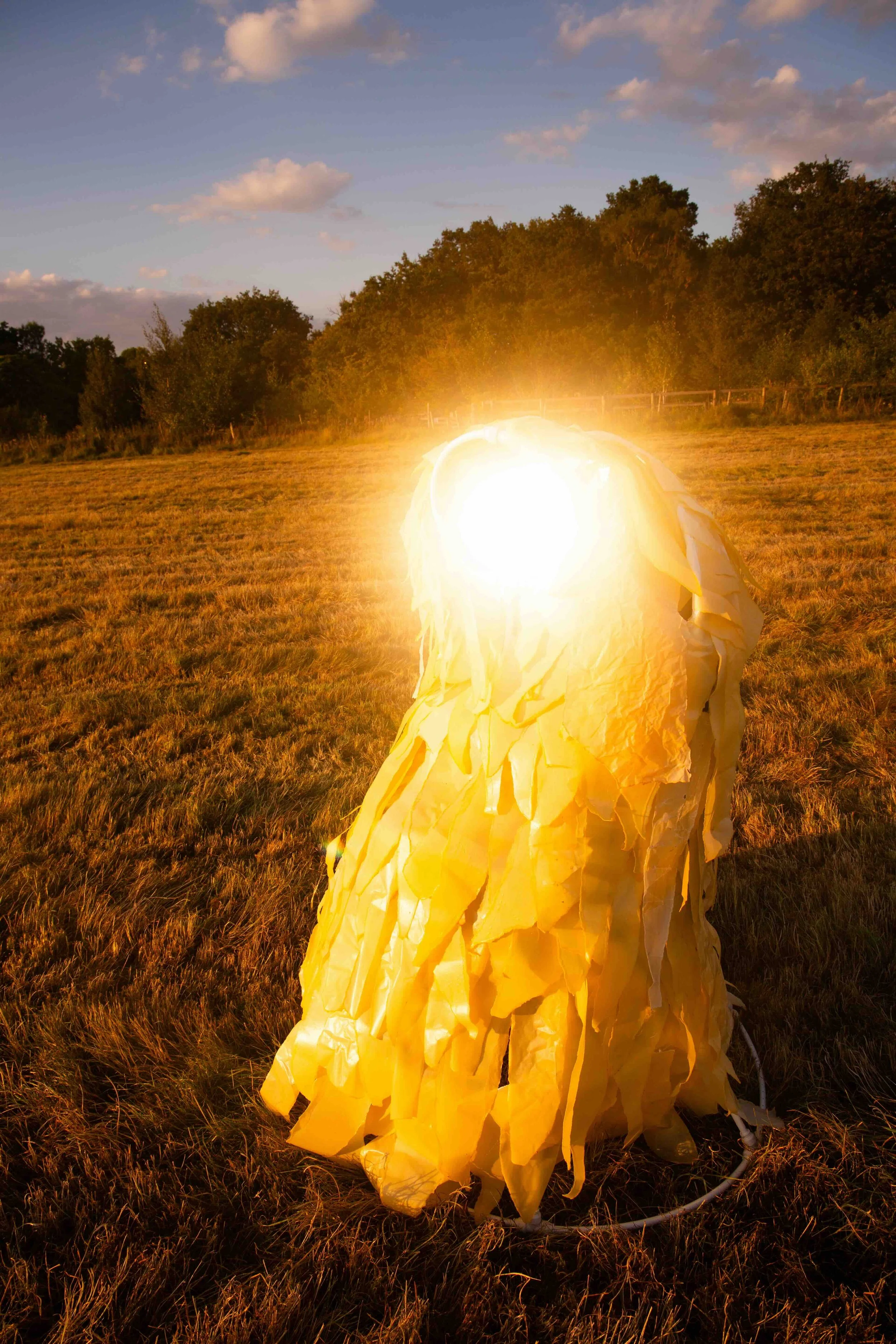
The original Aqal sculpture I built in 2024, a meditation on the Somali nomadic hut during my MA, was shown at Manchester’s HOME as part of Horizon Festival 2024. The Aqal is a space built by women and passed on the maternal line; temporary, portable, and adaptable. I was thinking about how those ideas of home and protection, which always felt were in flux, especially how the labour of these structures might live in the folds of women's garments and the hands that built them.
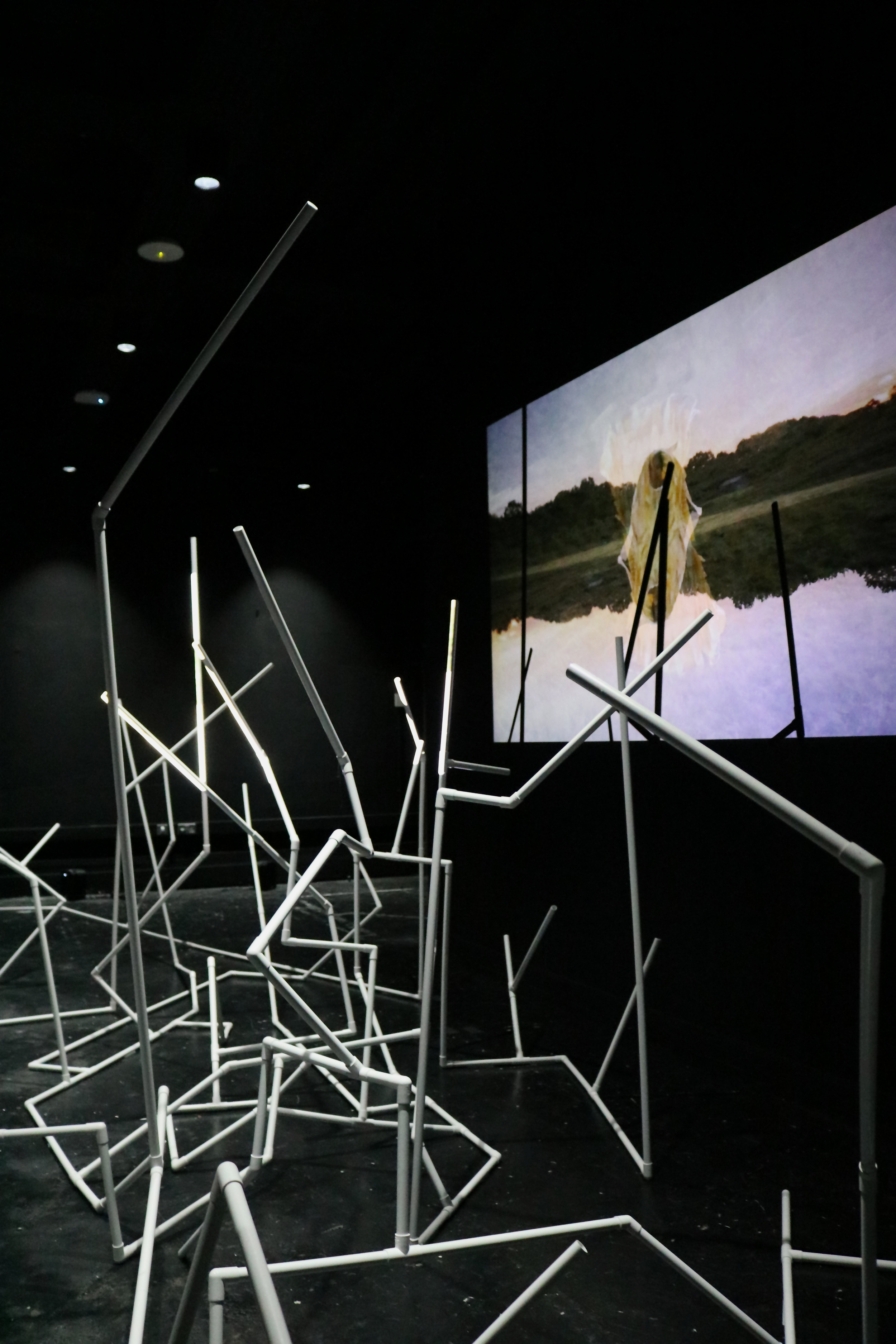
Sound plays a crucial role throughout my practise and in the film, as a soundscape that accompanies the final immersive installation. The sound began with an archival Somali song by Saado Cali Warsame, which I translated into data frequencies and amplitudes, then into a visual form, such
as a star chart or a musical score. To expand on this, I wanted to distinguish this work by using unconventional materials to investigate and challenge sensory expectations. I did this by emphasising the felt dimensions of sound to expand this auditory experience. It also functioned as a new form of onomatopoeia, like the Somali language itself, translating coded sound into sculpture. Creating a sensory environment that reflects on and contributes to a complex atmosphere that considers the erasure of sound and, at the same time, the sterilisation of African architecture.
-
影片《Hijaab Aqal》呈現了一場行為表演,在作品中,我穿戴著一件受到 Somali 遊牧帳篷(Aqal)啟發的雕塑結構。這部循環播放的影片並非單純紀錄一場行動,而是使影片本身成為表演的一部分,不斷重複覆蓋、建構與拆解的動作,在身體、物件與影像之間形成一種轉移與流動。
影片中的雕塑由多種感官性材料構成,包括蠟、宣紙、乳香與沒藥。這些材料之所以被選用,是因其在 Somali 文化中的神聖性,當它們被燃燒時,被認為能開啟通往靈性世界的領域,同時也具有隨時間保存與釋放物質痕跡的特性。
在 Somali 傳統中,搭建帳篷的是女性,她們以布料或編織墊覆蓋其外,形成庇護之所。而同樣的女性,也會覆蓋自己的身體與頭髮。那些相同的雙手,最終也會以布料、香料、照護與記憶,覆蓋並包裹逝者的身體。
我開始對這種反覆出現的動作產生興趣,「覆蓋」作為一種建構、保護、維持端莊、承載悲傷與儀式性的行為。我想探索這些覆蓋如何延伸至自我與死亡之間,而在反覆思考後,我意識到,這樣的動作其實跨越時間,串連起不同世代的女性。於是,我決定建造一座可以被穿戴的帳篷,使其同時成為一種覆蓋物、一件服裝,以及一種 hijab(伊斯蘭文化中女性用以覆蓋頭髮與身體的穿戴形式,常與端莊、身份及宗教實踐相關)。
Artist Info
Deeqa Ismail
artist lives and works in Manchester UK
Practice
printmaking, sound, video, and installation
Website
deeqaismail.com
Instagram
@deeqa_deeqa_deeqa